Measuring the Big Four gold standard
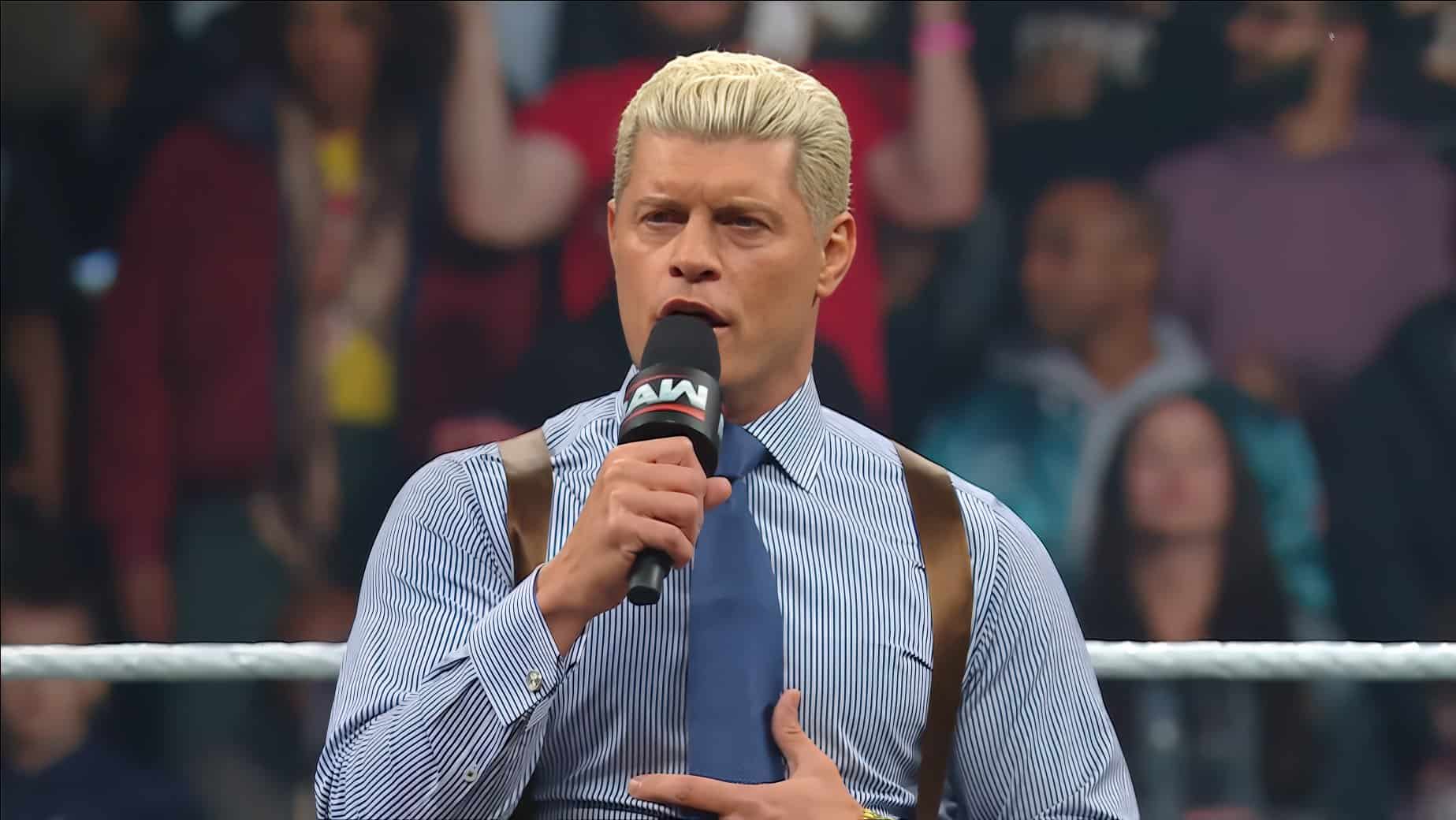
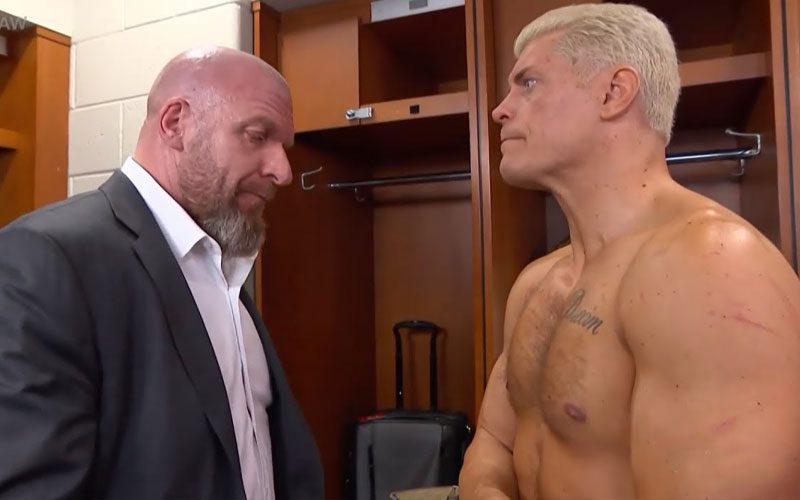
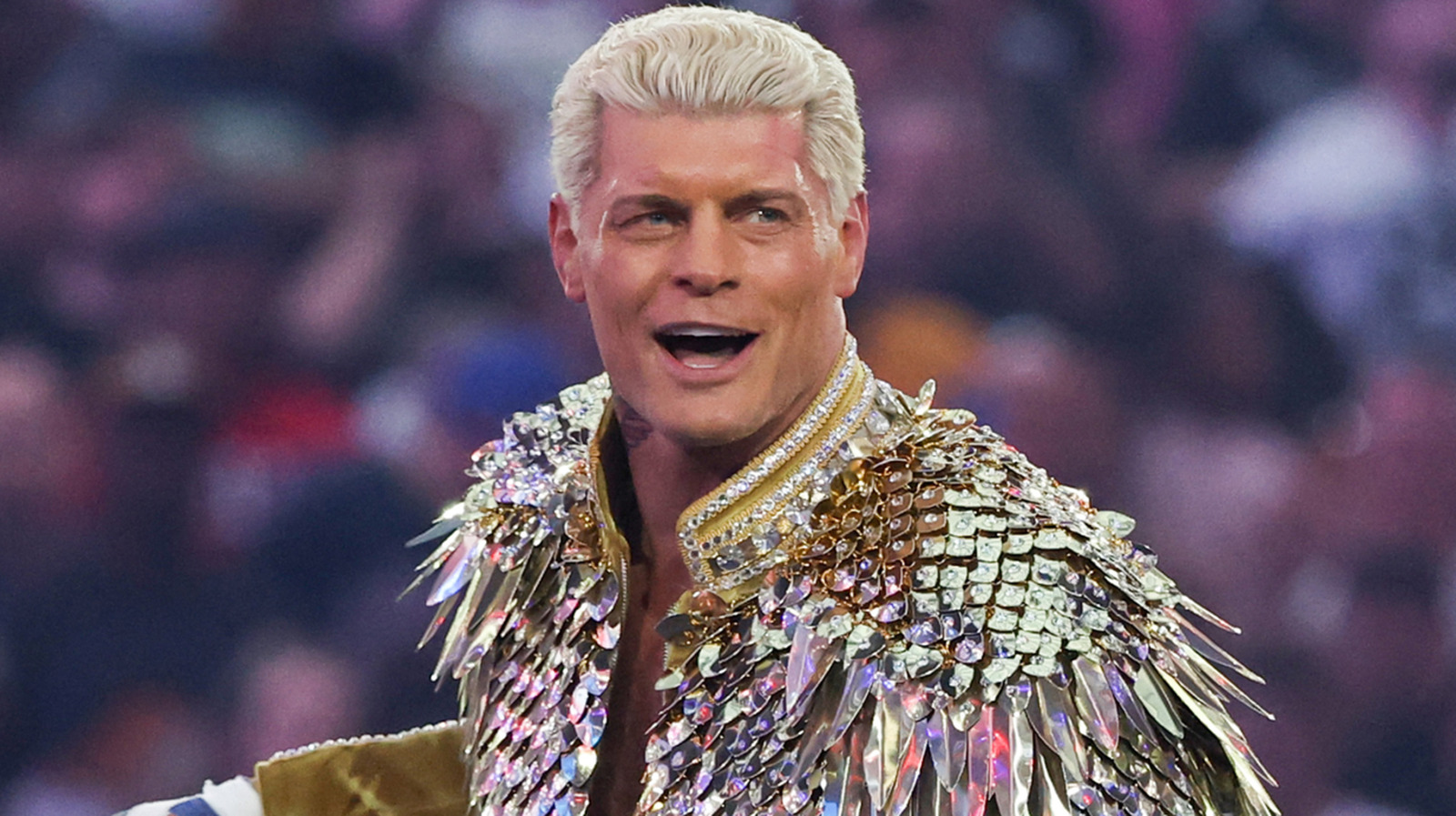
Cody Rhodes recently argued that the Clash series of Premium Live Events is creeping into the territory of the historic Big Four. Historically, the Big Four—WrestleMania, SummerSlam, Survivor Series, and Royal Rumble—function as the anchor for company revenue and quarterly stock performance. These shows traditionally maintain a pay-per-view buy rate or subscription engagement metric at least 35% higher than secondary PLE slots.
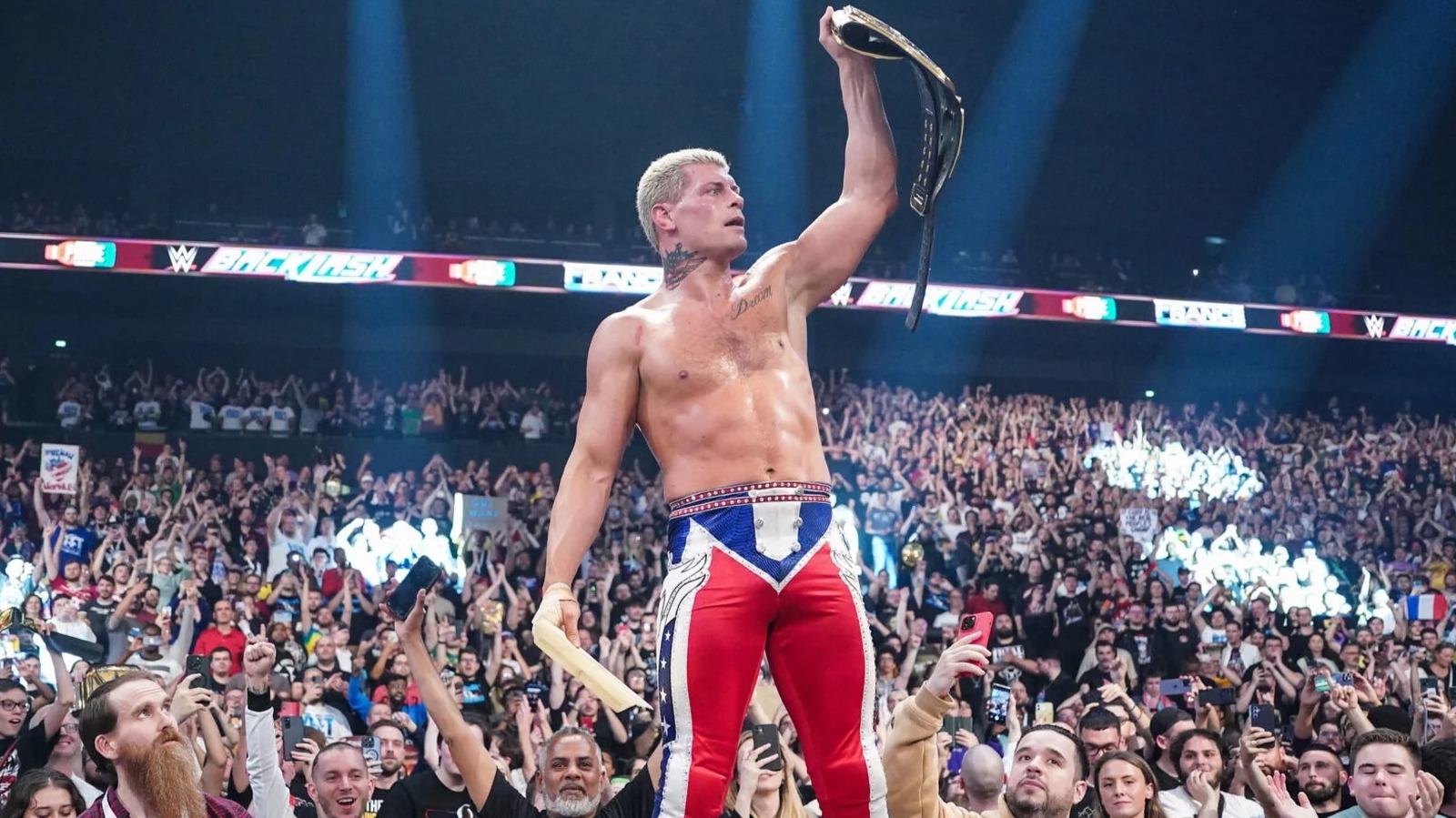
A Clash event rarely moves the needle for WWE's average quarterly churn rate. While Rhodes views the series as a rising tier, the data suggests it remains a regional filler compared to the brand-defining power of the Rumble. When you analyze the 72,000 fans who packed last year’s marquee events, the drop-off for secondary shows like Clash is often sharp.
The revenue gap between secondary and legacy shows
Secondary PLEs consistently fail to capture the same advertising premium. WWE corporate filings show that the Big Four events account for roughly 48% of annual merchandise movement specifically tied to event nights. Clash events do not reach this threshold, often hovering around the 12% mark despite the heavy marketing push.
As Wrestling Inc reported, the talent roster is clearly being coached to elevate these mid-year shows. However, marketing spin cannot override the reality of long-term fan loyalty metrics. Even with a 15% increase in international viewership for Clash events, they lack the multi-generational cachet built over three decades.
Why the math refuses to back the hype
Booking logic often reveals the true value of a PLE. Big Four events utilize 8 to 10 long-term storylines that culminate over 6-month arcs, whereas Clash events frequently rely on tactical, shorter-term feuds built in 4 weeks or less. This reduction in lead time directly impacts the "hook" for lapsed viewers.
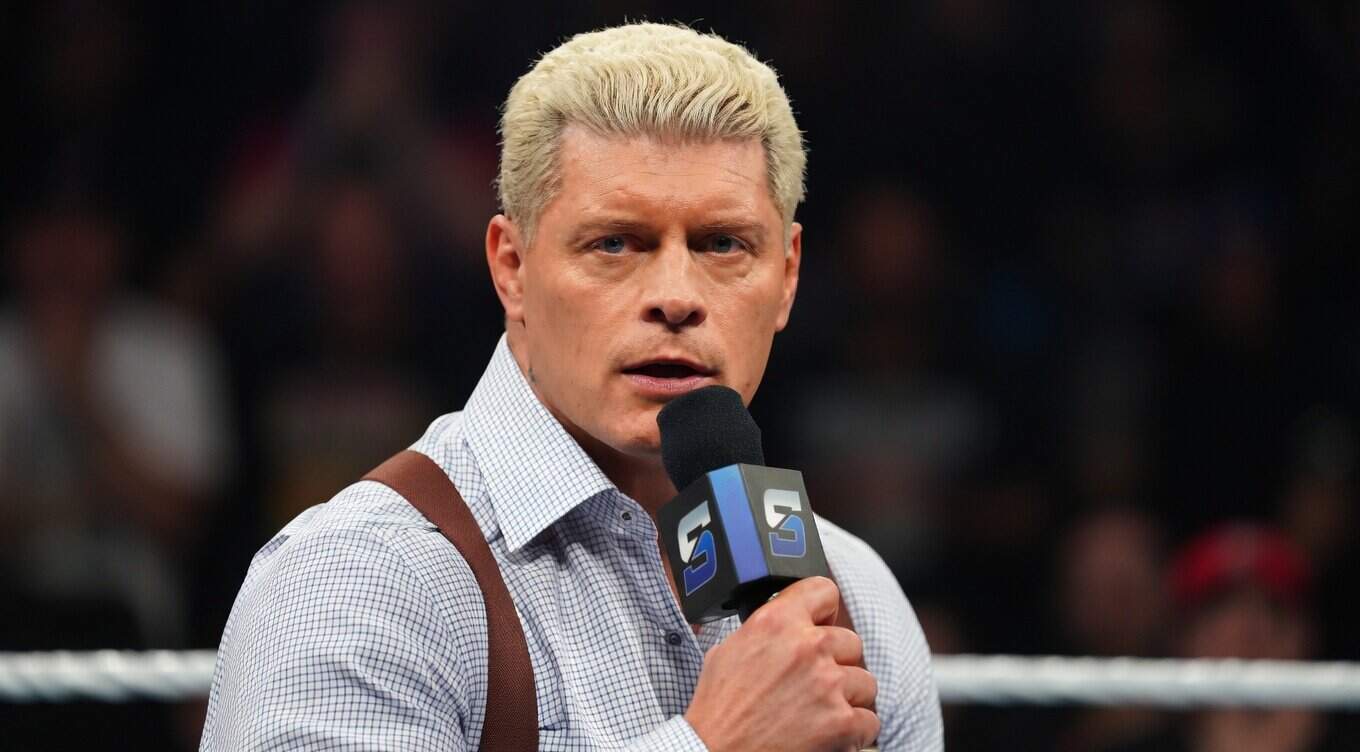
Cody Rhodes has praised the Clash series, saying that it is quickly becoming one of WWE's top-tier events.
The reliance on short-term booking for Clash cards effectively limits the ceiling for merchandise upsell. While the current momentum under the TKO ownership structure is undeniable, claiming parity with the Big Four is a stretch. The company would need to see a sustained, 20% year-over-year surge in secondary event engagement to justify moving these dates into the prestige bracket.
Rhodes is likely playing the company man, attempting to legitimize a modern product with a corporate narrative. If the metrics don't align within the next 18 months, the Clash series will likely cycle out of the conversation entirely. Wrestling fans prioritize the legacy of the Rumble and the spectacle of SummerSlam, and no amount of press-tour enthusiasm will move those needle points by default.
Read Next
- Cody Rhodes going to Hollywood is the debate we didn't ask for
- Cody Rhodes is finally talking about his 2016 tunnel of despair
- Layla is being way too honest about her dating history with Cody Rhodes
- Cody Rhodes has 10 championship belts and wrestling fans are losing it
- 🏆 WrestleMania 41 — Full Coverage Hub
- 💥 WWE Backlash 2026 — Full Coverage Hub