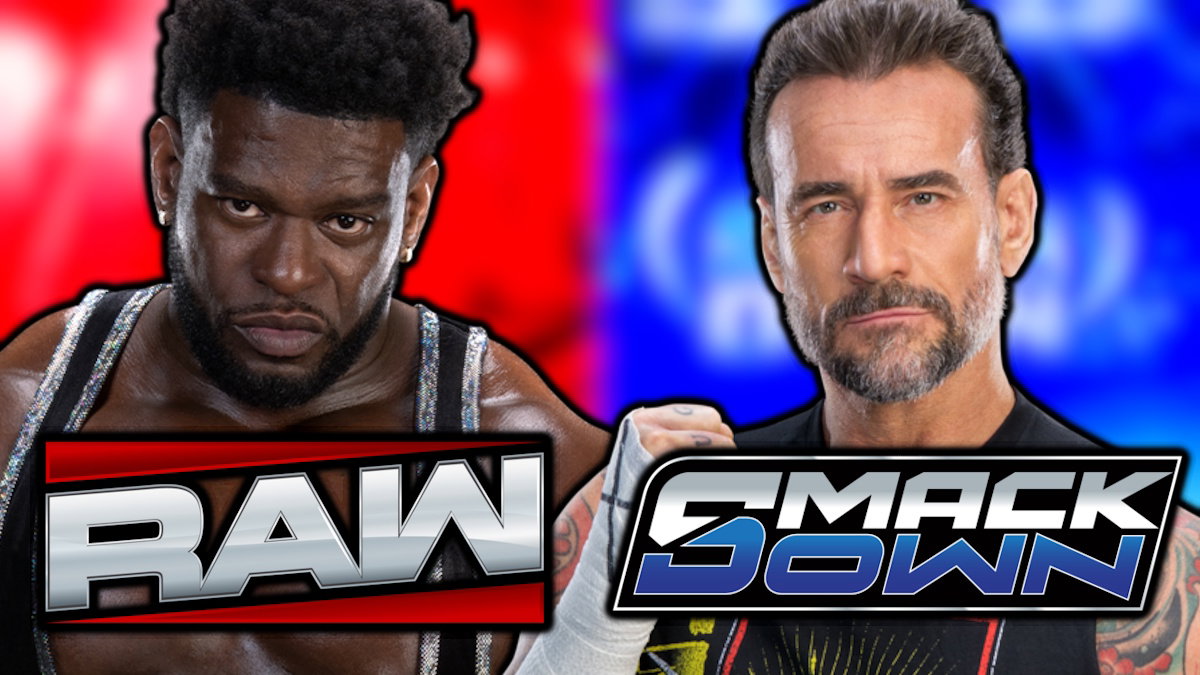
The call-up carousel spins wildly again
April 27, 2026, hits the calendar and the WWE front office decided it was time to play God with the roster. We just saw a mass influx of talent move from the developmental lights of NXT to the big stage of the main roster. If you spent the last year watching those guys hone their craft on Tuesday nights, you probably feel like you just watched your favorite local indie band sign a soul-sucking major label deal.
The fan reaction across the forums is a total bloodbath of conflicting opinions. Some folks are treating this like a triumph, screaming about how these wrestlers have finally reached the big leagues. Others are acting like they just witnessed a funeral, mourning the loss of the NXT brand's momentum. It is the classic cycle of wrestling fandom: one person's dream promotion is another person's creative burial.
The enthusiasts versus the doom-mongers
You have the optimists holding out hope that these names won't be lost in the shuffle of three-hour shows. Their argument is simple: if you are talented, you will eventually find your way to the top of the card. They point to past successes as proof that the path from developmental to heavyweight gold is a well-trodden road. It is a nice sentiment, but it ignores the sheer number of bodies currently clogging the main roster space.
Then you have the realists. They are looking at the current landscape and pointing out that the main roster is already stuffed tighter than a Thanksgiving turkey. The concern is that these hungry prospects are walking into a meat grinder where personal branding goes to die. If you aren't already featured in a main event spot, you are probably looking at catering or a pre-show match that runs 4 minutes, tops. I lean toward the skeptics here because I have seen this movie too many times before.
The criticism isn't just about the move; it's about the timing. Dropping a dozen new faces when the build toward WWE Backlash is already hitting high gear feels like a reckless booking choice. You are diluting the focus right when the company should be refining its biggest storylines. It feels like someone set the kitchen timer for ten minutes and walked away to grab a coffee while the oven was still set to broil.
The math of the move
Let's look at the numbers. Managing a bloated roster is the oldest struggle in the business. When you have too many chefs in the ring, the matches become repetitive and the storylines drift into obscurity. The decision to pull so many performers at once is statistically unlikely to result in a 100% success rate. Even if management hits on three, the nine others might languish without a coherent plan.
My take? The enthusiasts are drinking the Kool-Aid, and the doom-mongers are probably right to be terrified. History shows that whenever the company does this massive purge of NXT, there is an inevitable period of stagnation for the call-ups. It is not a talent issue; it is a creative bandwidth issue. You cannot push twelve people at once, and pretending you can is how you end up with half the locker room doing nothing but backstage walk-and-talks for six months.
The real highlight of the week, if you can even call it that, was watching the collective panic of the fanbase on social media. People are genuinely invested, which is great, but the anxiety is real. When the talent pool expands faster than the television time, the product suffers. We have seen recent roster releases serve as a grim reminder that not every call-up survives the cut. If they don't get a meaningful angle by the time we hit the summer, these wrestlers are going to be in big trouble.
Booking is an art, not a spreadsheet. Moving talent just to keep the NXT roster fresh is fine for the business side, but it is a kick in the teeth to the viewers who actually follow the stories. Until I see someone actually win a belt instead of just appearing for a quick backstage interview, I am staying skeptical. The chaos hasn't landed in a good spot yet.