The Myth of the Perpetual Performer
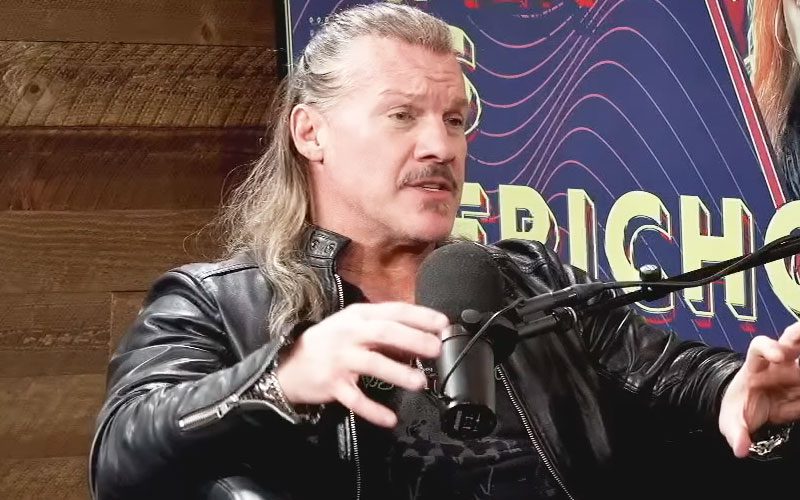
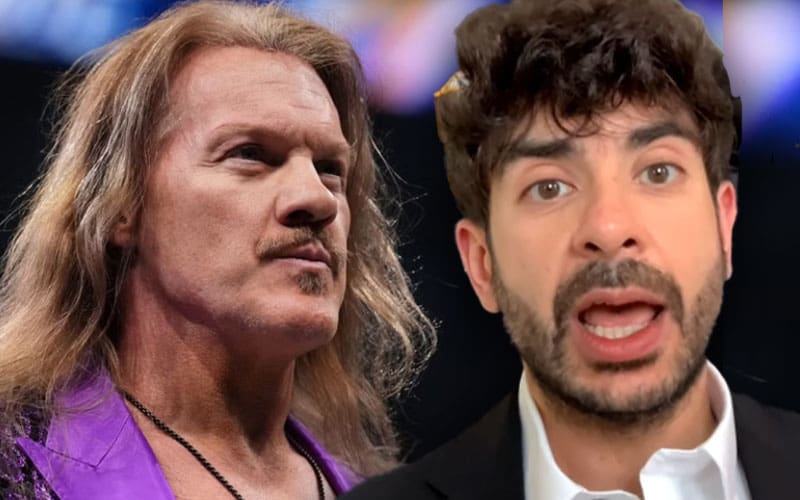
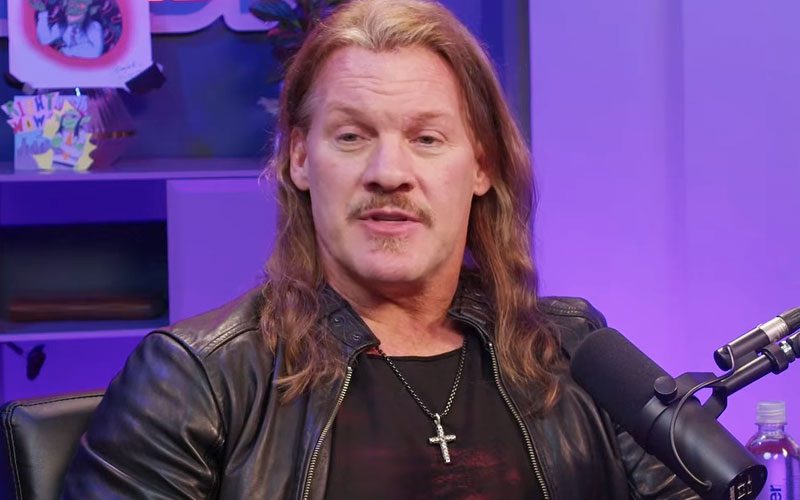
Chris Jericho recently sat down with Dan Marston to address the inevitable questions regarding his shelf life in the ring. While injuries are the unspoken tax on a thirty-year career, Jericho claims he has no intention of slowing his pace. He cites a refusal to listen to doubters who questioned his wrestling and music ambitions early on as his primary propellant.
This steadfast mindset is a double-edged sword. In an era where sports medicine identifies repetitive stress as a career-shortener, maintaining a full-time, high-impact schedule past the age of 55 invites scrutiny. Jericho characterizes his ability to adapt as his defensive shield against physical decline.
Tactical Reinvention as Injury Mitigation
Jericho’s career strategy, as noted in recent reports, relies heavily on constant character evolution. He credits a specific music legend for shaping his philosophy on shifting personas to keep the audience—and likely his own body—from stagnating. By changing his move set and cadence, he avoids the physical monotony that leads to predictable wear on joints.
Think back to his decision to drop the Y2J moniker, which he openly labeled one of the biggest risks of his tenure. That pivot allowed him to shed a more rigid, high-flying style. It moved his game toward smarter, ground-oriented maneuvers, a transition that remains a clinic in prolonging a top-tier run.
The Cost of Ignoring the Clock
Despite his confidence, there is a legitimate critique regarding his current approach to "getting over." Jericho claims modern performers miss a specific piece of the puzzle, yet his insistence on outworking contemporaries often overlooks the biological reality of recovery windows. Wrestlers at his experience level typically rotate into part-time zones of operation. Jericho continues to absorb the physical output expected of a performer half his age.
Historical context suggests this level of denial is rare. Even legends like Ric Flair or Terry Funk eventually hit the wall where the athleticism required for a weekly TV product creates diminishing returns. When the body dictates a pace change, the ego usually struggles to keep up.
Strategic Implications for AEW
From a booking standpoint, Jericho remains a utility player who can anchor mid-card or main-event segments with equal weight. However, the organization faces a challenge. If he refuses to modify his risk-taking behavior, the risk of a high-profile injury becomes a significant organizational liability. He is currently booked at a frequency that assumes 100% structural integrity across the board.
As he stated to Dan Marston, his drive is internal, not stimulated by a lack of options outside the industry. This is a veteran who views his ring time as an extension of his creative identity rather than a series of athletic obligations. Yet, the history of the sport is littered with stars who waited until a catastrophic event to recognize the necessity of slowing down.
The Professional Assessment
Jericho’s insistence on maintaining his current output is a outlier in modern athletic management. While his mental fortitude remains sharp, the physical toll is cumulative. His career stats over the last decade show a volume of matches—often against opponents significantly younger and faster—that would leave most athletes on the injured list for months at a time.
The takeaway here isn't necessarily about his immediate health, but rather the strategic management of a legacy. By analyzing his philosophy, it is clear that he treats the ring like a stage for character work rather than a gym for high-impact stunts. Whether that distinction is enough to prevent a soft tissue tear or joint failure in his mid-50s remains the primary question. For now, he is successfully fighting off the inevitable, one segment at a time.