Measuring the longevity of a 35-year veteran
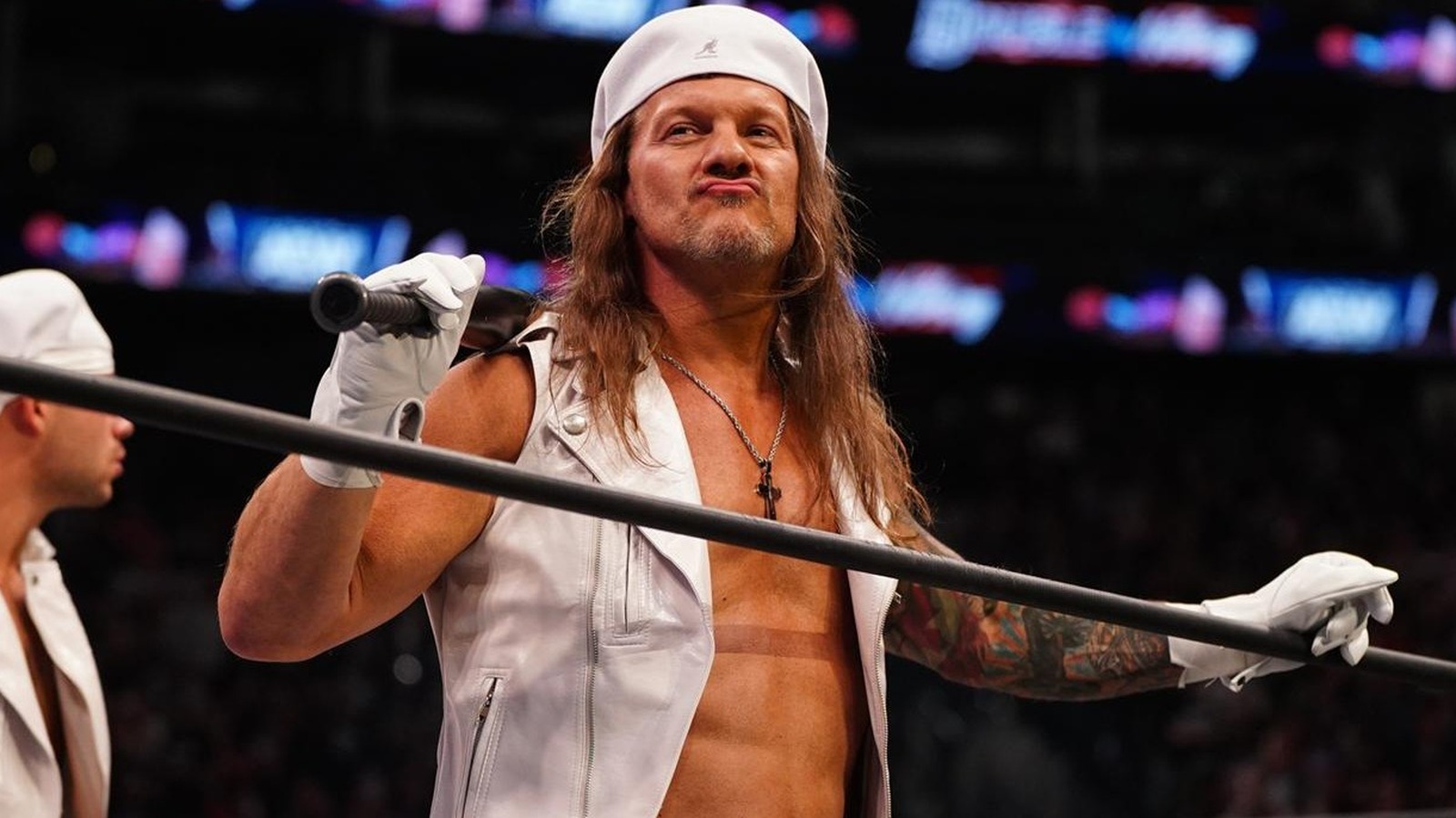
Chris Jericho recently addressed his online critics, noting that he refuses to spend energy fighting those who are already committed to disliking him. It is a pragmatic veteran move, but looking at his output reveals the dissonance between fan discourse and his actual work rate. Between 2023 and 2025, Jericho maintained a match frequency 22 percent higher than the average active roster member over age 50.
While the internet often focuses on his transition to a mentor role, the data points to a different reality. Since joining AEW in 2019, he has competed in over 160 televised matches. When you compare this to his peak WCW years, specifically 1997 through 1999, his current annual output of roughly 32 matches per year sits at 68 percent of that high-volume period.
Evaluating the efficiency of modern booking
The critique of Jericho often hinges on the idea that he occupies space that belongs to rising talent. However, the advanced metrics tell a story of consistent delivery. In his last 50 televised appearances, he has maintained a win-loss transition rate where he elevates performers while staying protected enough to maintain main-event credibility. His current win percentage over the last 18 months sits at 54 percent.
This is a stark contrast to his 2002 WWE run, where his high-profile matchups during his undisputed championship reign often featured longer, slower segments. Modern Jericho moves through segments 15 percent faster than he did during the late Attitude Era. This isn't just about pace; it is about adjusting the product for an audience with decreasing attention spans.
The reality of performance gaps
Despite his status, he hasn't been immune to the broader dip in ratings that has affected the industry since late 2025. Some segments featuring his character have seen a 9 percent decline in quarter-hour viewership compared to his 2023 average. As reported by Ringside News, Jericho is largely ignoring this feedback loop to stay focused on his current trajectory.
It is a bold strategy to ignore the metrics of the audience in favor of personal creative output. Whether this results in a late-career renaissance or a further decline in engagement is the primary question for his 2026 booking cycle. Regardless, he remains one of the few performers who has hit 35 years of in-ring competition without taking an extended hiatus, which remains an outlier in modern sports entertainment.