The Jericho blueprint for modern wrestling
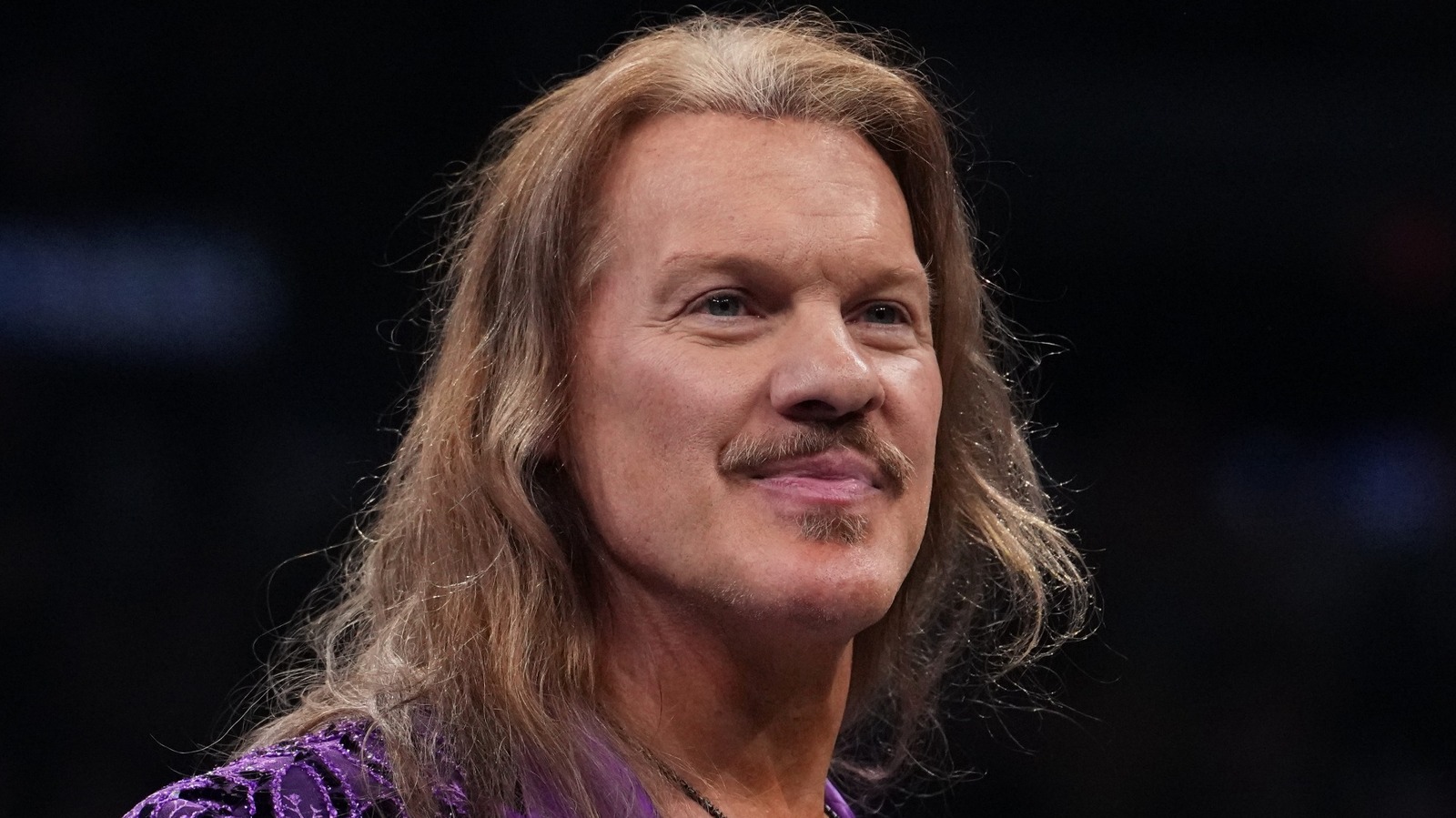
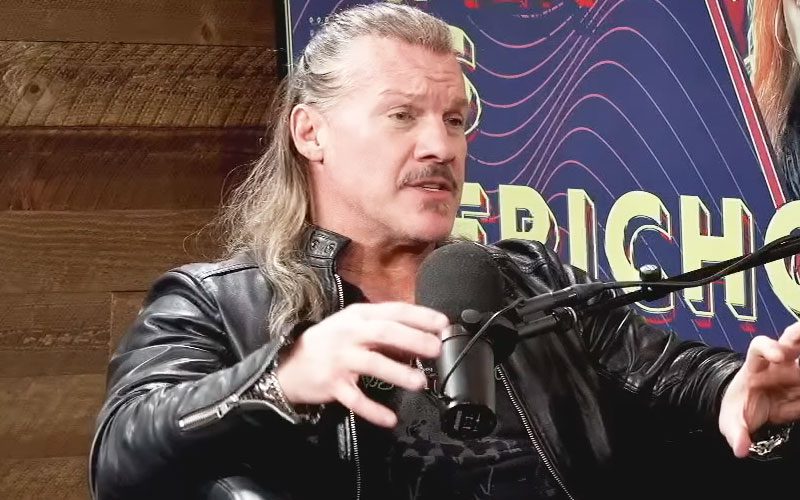
When Chris Jericho signed with AEW in 2019, the industry viewed it as a vanity project for a veteran protecting his legacy. Seven years later, the records confirm he became the backbone of a startup promotion that forced the market leader to evolve. His transition from the inaugural AEW World Champion to a perennial mid-card attraction demonstrates a rare understanding of how to maintain relevance without burning out the audience.
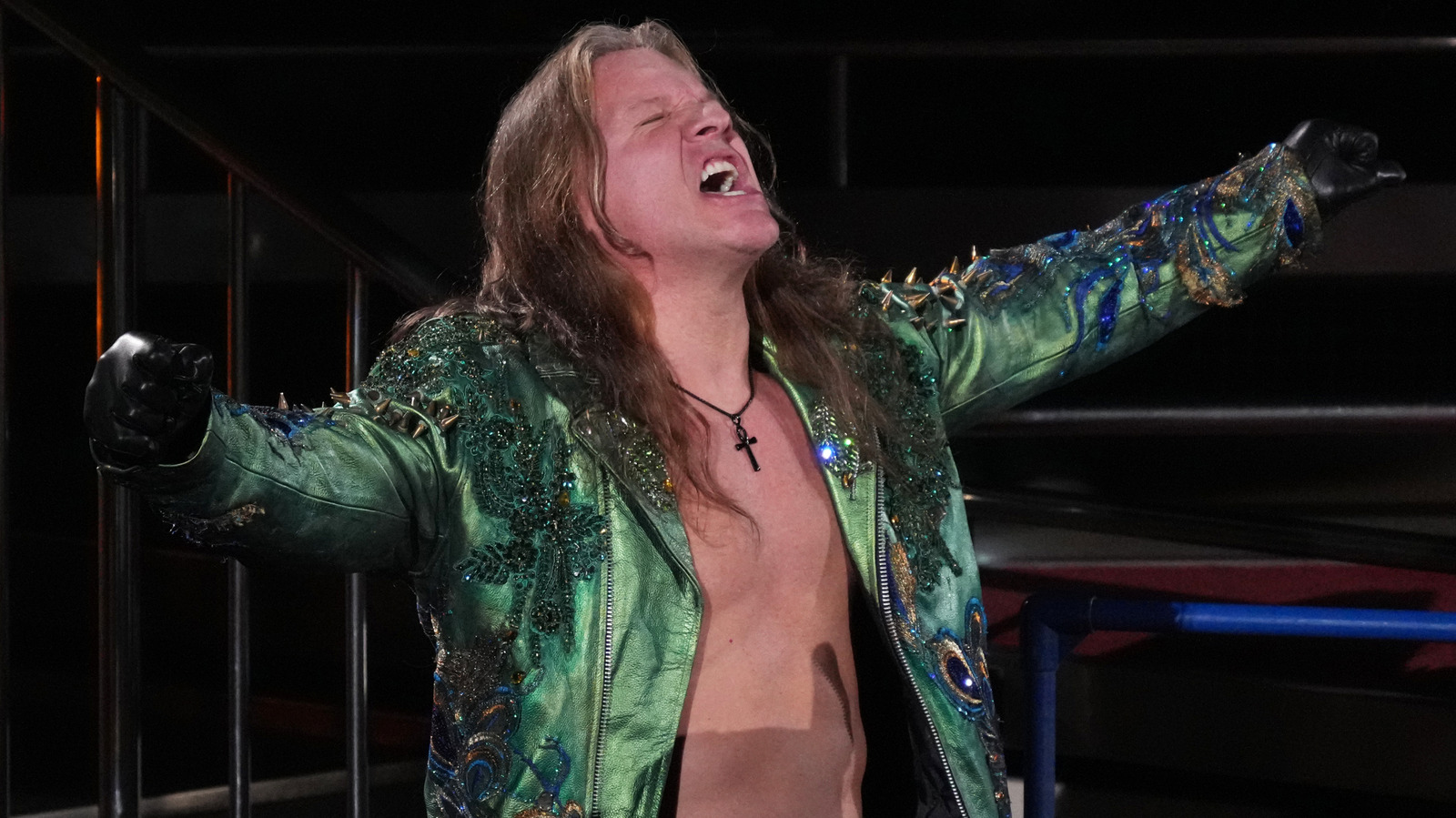
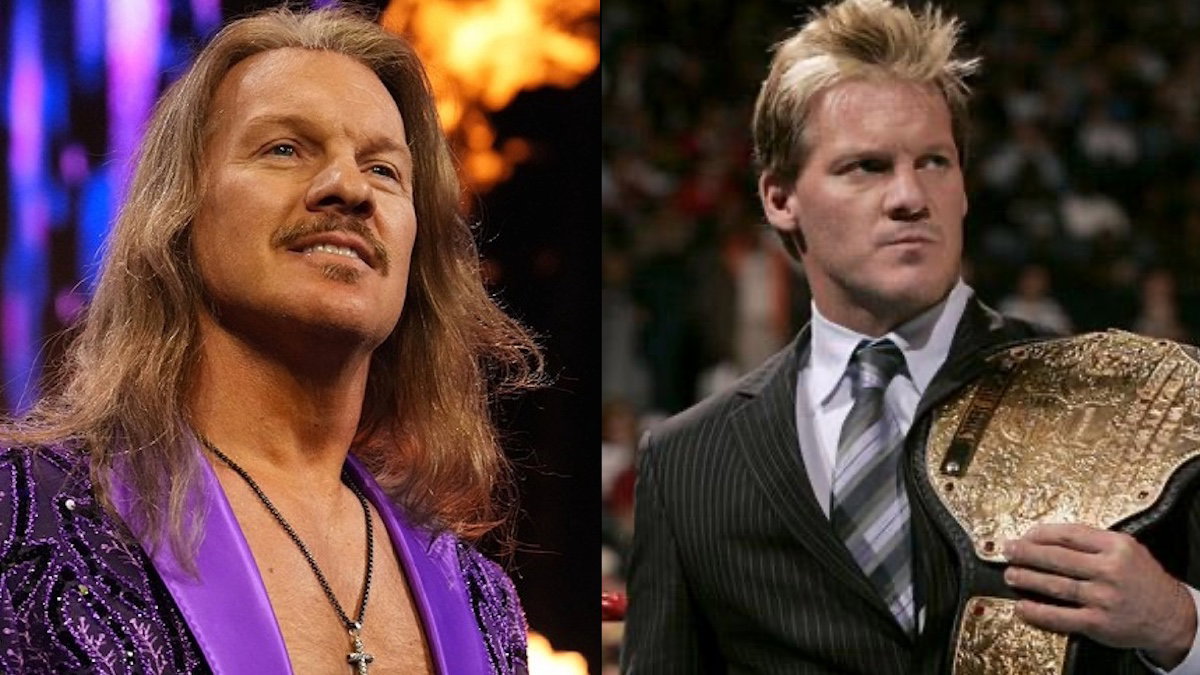
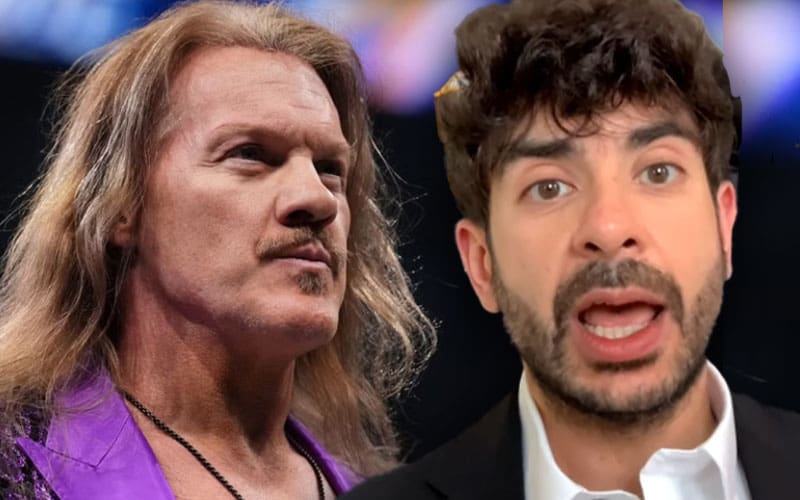
Jericho’s ability to reinvent his persona—moving from the Y2J era to the Inner Circle and now as a seasoned mentor—mirrors the tactical shifts seen in elite European football. He identifies when a gimmick loses its xG, so to speak, and pivots before the crowd turns stagnant. As Tony Khan has noted, the decision to choose a new venture over the safety of the WWE calendar was driven by a desire for artistic autonomy, a factor that rarely translates to corporate boardroom logic.
The fatigue of the active veteran
Yet, the physical toll is evident in recent bouts. His reliance on the Judas Effect as a finisher has become predictable, often failing to disguise a diminishing vertical leap in the opening sequences. Watching his recent movement in high-tempo contests, the spacing is occasionally off, leading to mistimed spots that disrupt the flow of the match card. It feels like watching an aging playmaker who still has the vision but lacks the acceleration to deliver the final pass.
This is the harsh reality of long-term main event pushes. When a performer stays at the top for over three decades, every missed beat is amplified under the modern microscope. The fans aren't just critiquing the work; they are measuring him against the younger stars who actually need the spotlight to move their own careers forward. By occupying space in featured segments, he creates a bottleneck that prevents the mid-card from organically reaching the elevation levels the company needs to hit by the end of the fiscal year.
Prediction: A transition toward the booth
Jericho will likely continue this current path until the spring of 2027, but the signs of a transition are present. Expect him to move toward a color commentary role by the time the next cycle of programming begins. He remains the smartest head in the locker room, but his days of carrying an entire brand on his back are closing. My call: he puts over a younger talent in a decisive 14-minute match at the next major tentpole event via a clean pinfall, finally signaling the end of his era as a top-tier singles draw.