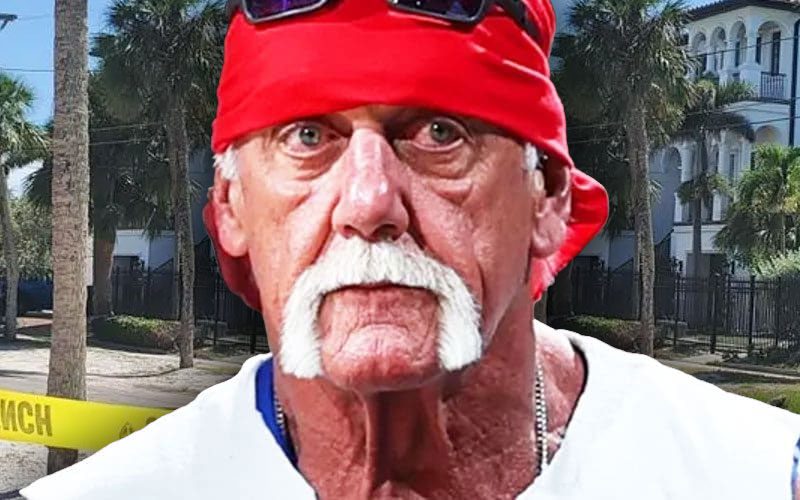
The quiet end of an icon
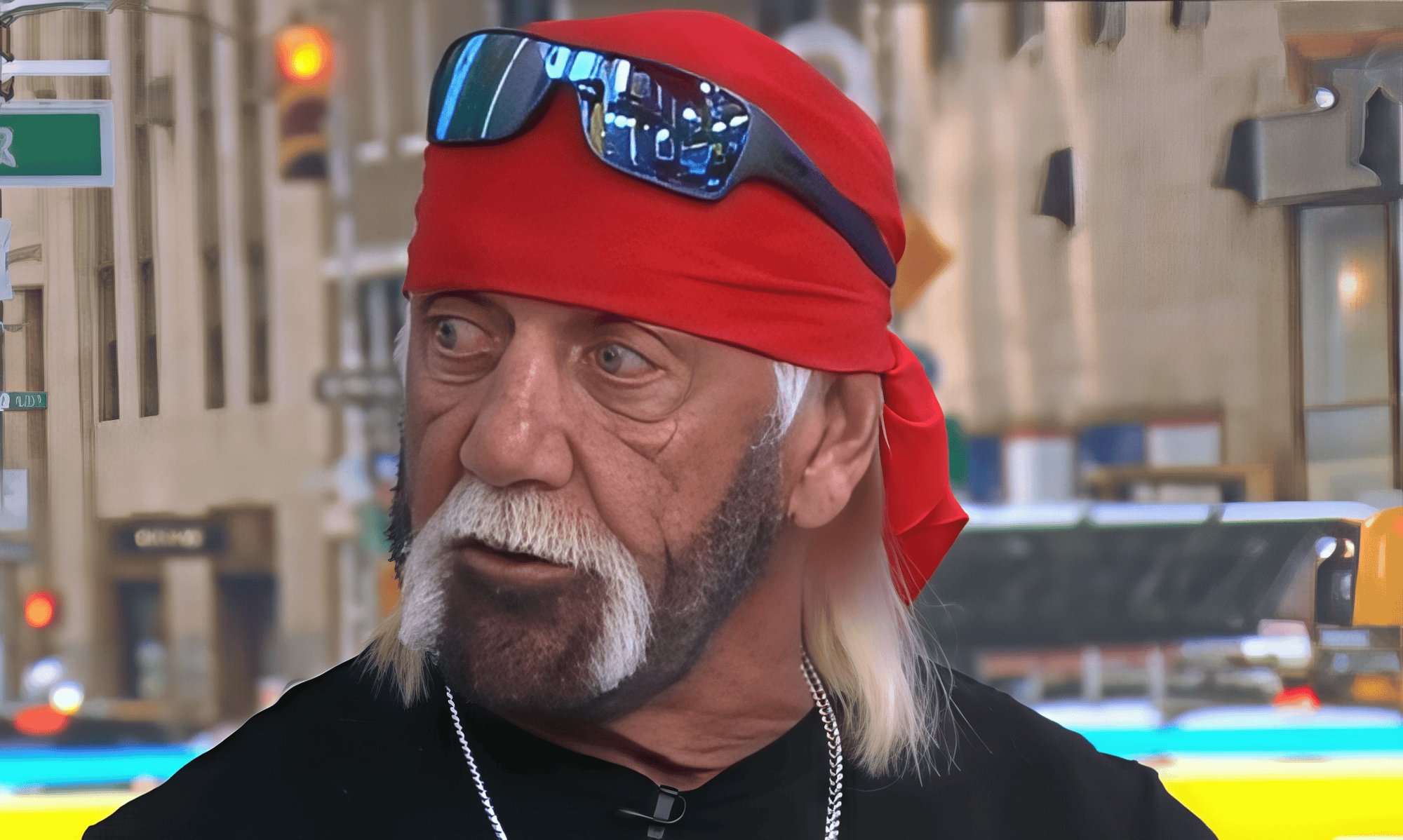
The Clearwater Police Department issued their final report on the passing of Terry Bollea, known globally as Hulk Hogan. After an exhaustive period of review, authorities confirmed there was no evidence of criminal wrongdoing in his death. The transition from public icon to a case file closed by natural causes marks a definitive end to one of the most polarizing careers in industry history.
We are left to pick up the pieces of his mythos. For decades, the industry operated under the assumption that the Hulkamania machine was immortal. Between the leg drops and the polyester shirts fading in the locker room, the business often prioritized the spectacle over the reality of the human athlete.
The structural audit of a career
Watching back the footage of his prime, the technical limitations are plain. Hogan relied on a formula: the initial beatdown, the finger point, and the hulking-up sequence sparked by crowd volume. While investigators have moved on, the discourse surrounding his contribution to the sport remains stagnant.
Critics often point to his 1980s dominance as a period of creative stagnation for opponents. His record in major pay-per-view main events during the mid-80s shows a heavy reliance on protected finishes that stifled the momentum of superior workers like Roddy Piper or Paul Orndorff. It was a booking strategy designed to keep the belt on the icon at any cost, often at the expense of roster depth.
Moving past the myth
There is a recurring issue in how we archive these careers. By focusing entirely on the merchandise sales and the 20,000 fans in the arena, we ignore the physical toll these performers face away from the cameras. Pro wrestling is finally entering an era where the health of the performer is treated with institutional weight, a shift that arrived years too late for icons of the previous generation.
The findings released in the PWInsider report underscore a somber point. Being the face of a company does not grant immunity from the biological realities of an incredibly taxing profession. The obsession with the persona often eclipsed the man, even in his later years, leading to a public life defined by controversy and inconsistent creative output.
Expect the company to lean heavily into nostalgia, perhaps forcing a narrative of reconciliation during the upcoming summer events. However, history suggests the audience will be more discerning. The modern fan watches for pacing, move execution, and long-term storytelling consistency—areas where the Hogan brand famously struggled when compared to the technical proficiency of the 1990s or today's roster.
The era of protecting performers from the consequences of their public actions is ending. WWE must now balance the need to profit from historical intellectual property while distancing themselves from the baggage that accompanied the persona. A tribute is likely, but it will be measured against the public perception of his later career.
My prediction is that the promotion will downplay this transition entirely by June 11. They prefer to present a product that looks toward the next major event rather than dwelling on the past. Do not expect a major, career-spanning retrospective, as the PR risks currently outweigh the potential for engagement.