The status of Chris Jericho’s in-ring career
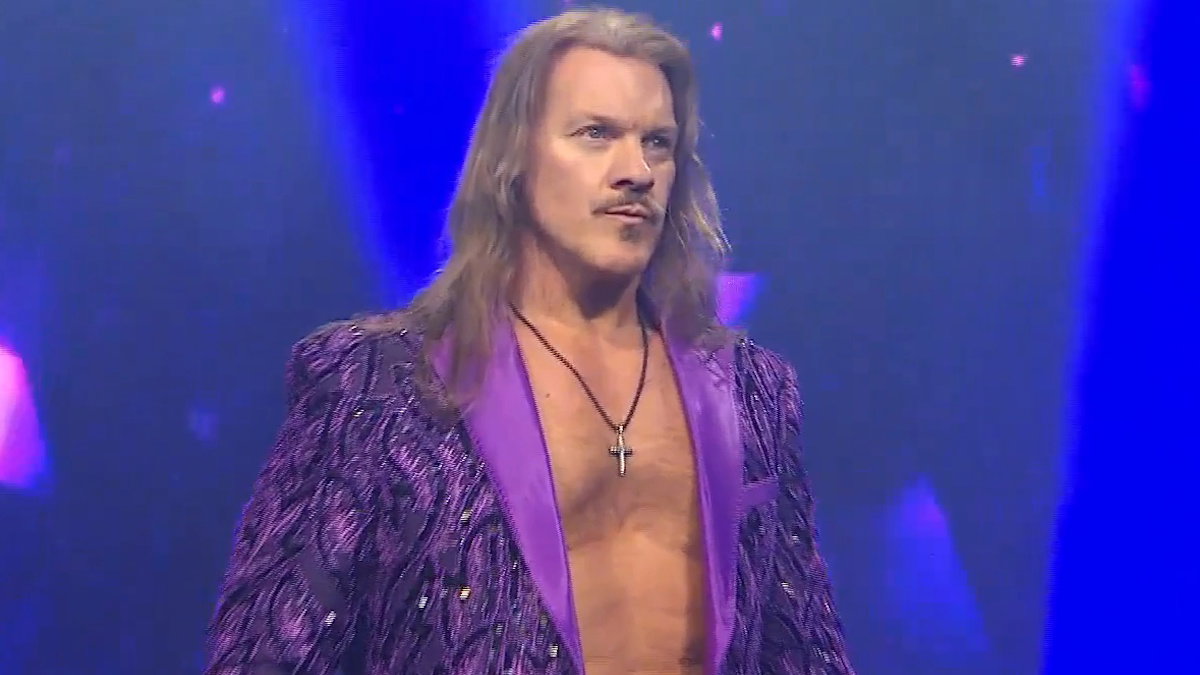
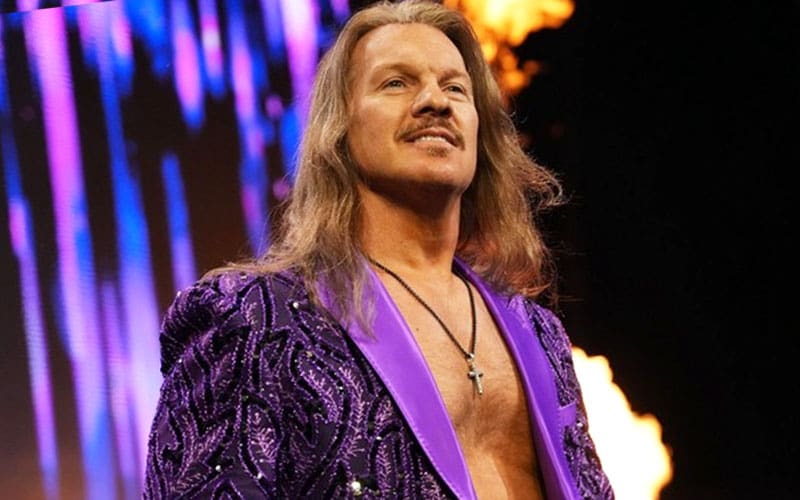
It has been nearly a full year since Chris Jericho last performed in an All Elite Wrestling ring. The absence has created a vacuum on the card, as the veteran’s sporadic appearances had historically provided a reliable anchor for mid-card storytelling. While no formal medical report has been released, the duration of his time away from the product is unprecedented for a performer of his tenure.
Jericho’s last competitive outing saw him in a physical state that visibly slowed his output by the end of his final match. Fans tracking his recent public appearances have noted a distinct lack of the usual high-intensity training footage he previously shared on social media. Without a concrete return date, the ambiguity surrounding his status has invited speculation that he may be prioritizing outside ventures over an active in-ring schedule.
Lack of updates creates booking bottlenecks
The absence of such a high-profile figure forces creative teams to rely heavily on newer talent to fill main-event slots. While this provides opportunities for performers like Konosuke Takeshita or Swerve Strickland, it removes the safety net of a known draw. Every week without a return announcement places more pressure on the current roster to carry the heavy lifting of weekly television ratings.
As WrestleTalk recently reported, the lack of clarity regarding his status highlights a communication breakdown that affects both internal planning and consumer sentiment. When a wrestler of his stature vanishes for over 360 days without a formal promotional acknowledgment, it creates a feedback loop of fan uncertainty. This is a recurring issue in modern professional wrestling where talent cycles move faster than company transparency.
Historical context and the difficulty of the long-term hiatus
Professional wrestling history is littered with legends who struggled with the physical toll of mid-50s schedules. Similar to the hiatuses taken by Ric Flair in the late 1990s, Jericho’s current gap suggests the body may be dictating the terms rather than current booking requirements. The grind of three decades on the road often manifests in lingering soft-tissue injuries or cartilage degradation that require significant life changes to manage.
The strategic implication for AEW is significant. If Jericho returns, the promotion must manage the transition from a featured headliner to a special attraction, or risk overextending a talent who may not be able to replicate his work rate from 2022. If he does not return, the organization suffers from the loss of a primary legacy star, forcing them to pivot their marketing efforts toward a younger generation without a bridge established.
Critical analysis of the silence
The promotional approach to this situation has been notably lackluster. By neither confirming a career end nor promoting a comeback, the brand fails to manufacture heat. It is a missed opportunity to craft a compelling retirement arc or a "last run" narrative that could drive tickets for major venues. Leaving the audience in the dark is rarely a sound strategy in a competitive market like the one AEW occupies.
With WrestleMania 41 approaching on April 19, 2026, attention throughout the industry is shifting toward WWE’s premium live events. Jericho’s absence from this conversation is telling. His legacy is secure, but his current utility as an active roster member remains a massive question mark heading into the summer pay-per-view cycle. The professional silence is louder than any social media post, and it suggests a transition that both parties are currently unwilling to acknowledge publicly.