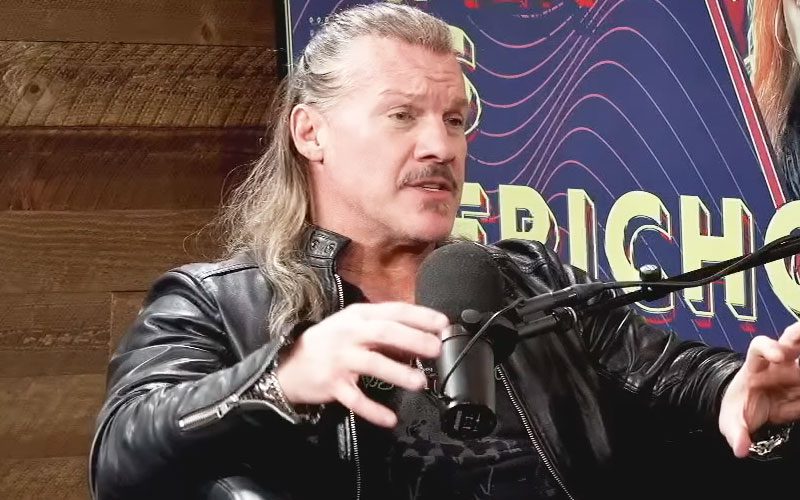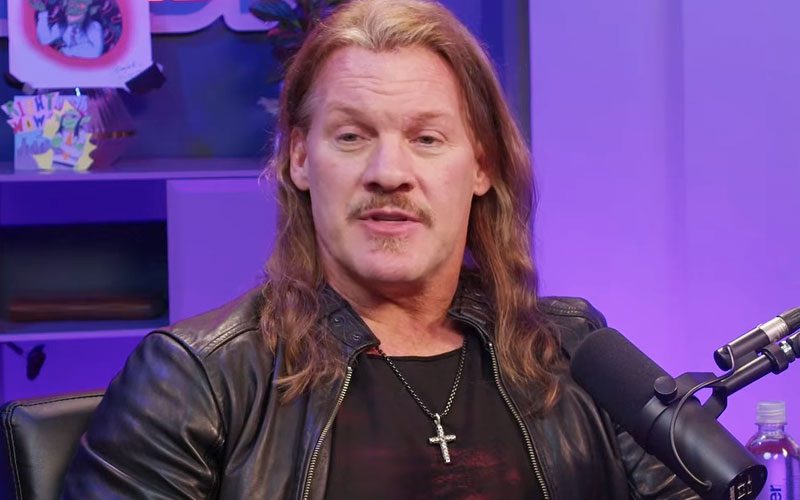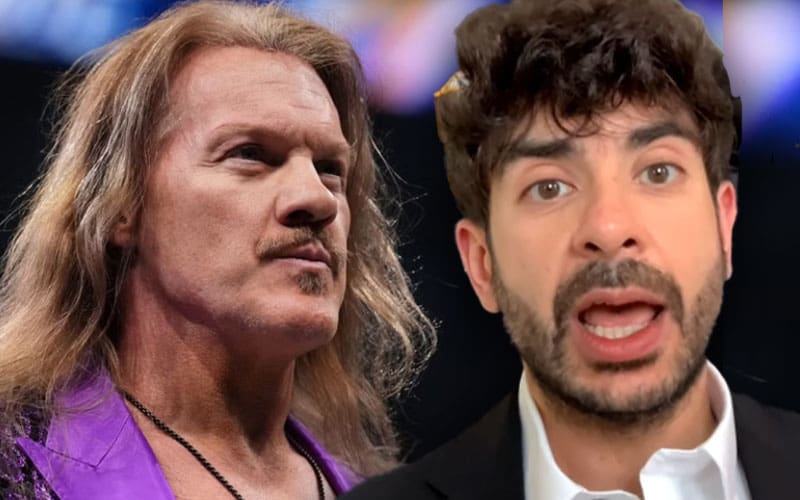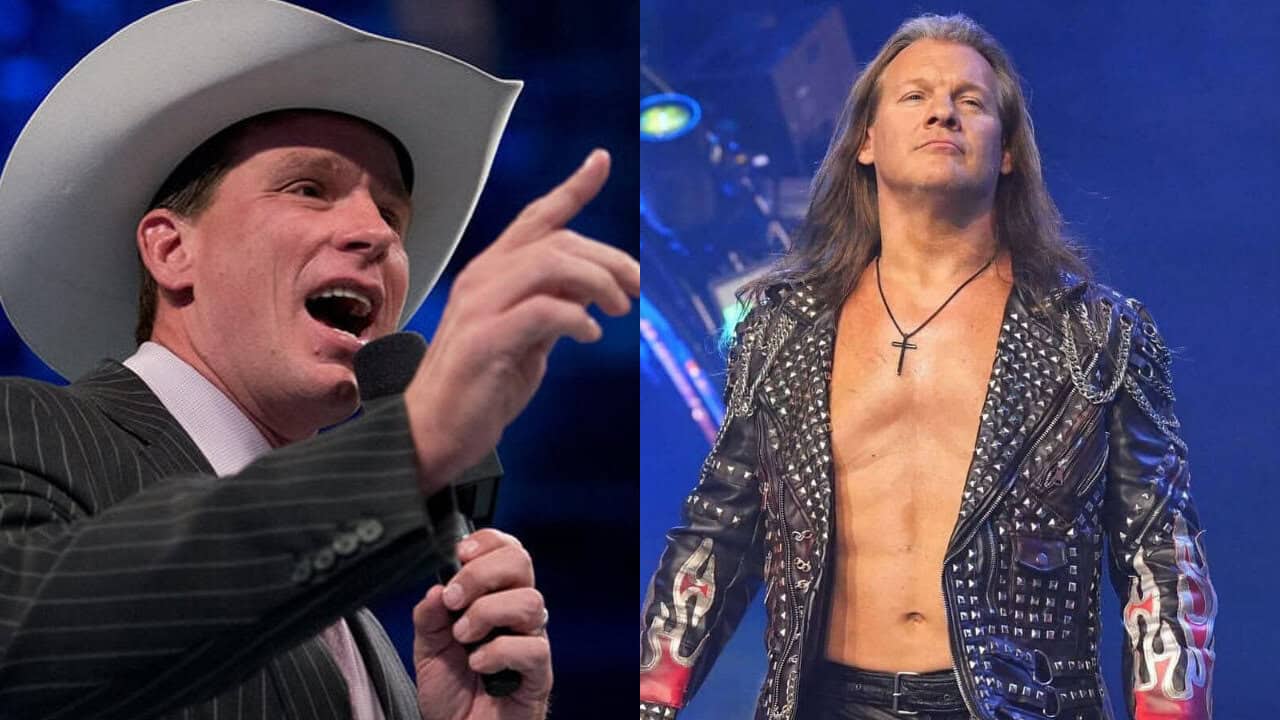
The math simply does not make sense. When Chris Jericho made his professional wrestling debut in October 1990, the current iteration of the wrestling business did not exist. The Monday Night Wars were half a decade away. Yet here we are in April 2026, and Tony Khan has officially locked the veteran into a multi-year contract extension with All Elite Wrestling. It is a statistical anomaly that forces us to re-evaluate everything we know about the aging curve of a professional wrestler.
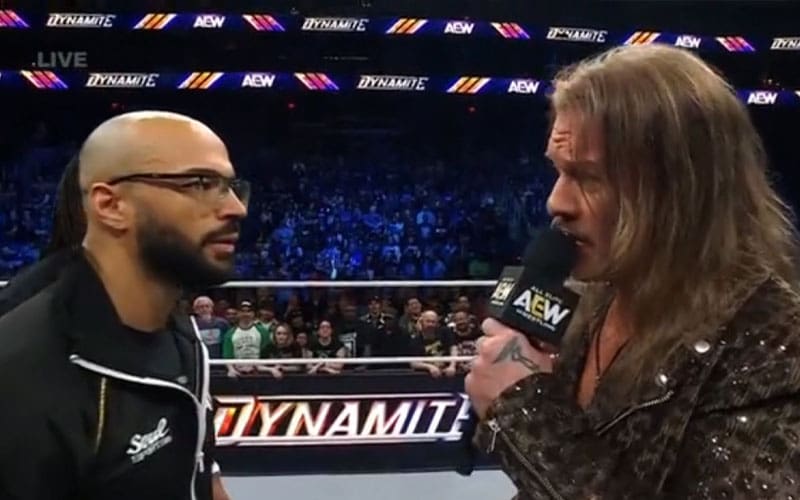
This is not a legends deal. This is not a merchandising agreement dressed up as an active roster spot to pop a television rating once a year. Jericho is booking himself into high-profile television matches, as seen on the April 8 edition of AEW Dynamite where a heated confrontation led directly to a bout with Ricochet. For a man with over 2,000 logged professional matches across three decades, the sheer workload is staggering. The physical toll of the industry usually demands a sharp decline, but Jericho continues to demand weekly television time.
Let us look at the historical precedent for a wrestler of his vintage. Shawn Michaels famously called it a career at 44 following a masterpiece at WrestleMania. Stone Cold Steve Austin walked away as a full-time performer at just 38, his neck essentially refusing to cooperate. Even The Undertaker wrestled sparingly throughout his late 40s before producing severely diminished, heavily protected returns in his 50s.
Jericho is 55 years old. He is effectively laughing at the actuarial tables of professional wrestling. Only Sting, who miraculously wrestled his final match at AEW Revolution in 2024 at the age of 64, provides a modern comparison. But Sting was carefully hidden in tag team matches alongside Darby Allin, taking high-impact bumps only when the narrative demanded it. Jericho is still stepping into the ring for 15-minute singles matches. He is entirely exposed.
The Ricochet Problem
Setting up a singles match with Ricochet is a massive tactical risk. Ricochet operates at a velocity that most 25-year-olds struggle to match, let alone a man in his mid-fifties. He relies on rapid-fire sequences, often packing three distinct high-impact maneuvers into a twenty-second window. Ricochet is 37, possessing a wealth of experience himself, but his style remains firmly rooted in hyper-athletic explosion.
Jericho, conversely, has had to severely adapt his pacing. Ten years ago, he was still hitting the Lionsault with regularity and executing crisp springboard dropkicks. Today, his game is built entirely on smoke, mirrors, and veteran timing. He slows the pace to a crawl. He grounds his opponents with heavy, deliberate strikes. He uses the ropes for physical support and relies heavily on outside interference from his various factions to control the tempo of the bout.
This clash of styles is fascinating on paper, but troubling in execution. When a heavy-footed brawler meets a pure flyer, the burden of timing usually falls squarely on the veteran. If Jericho is half a step slow catching a springboard attack, the illusion shatters completely. The margin for error against a high-flyer is virtually zero. If Ricochet initiates a sequence and Jericho cannot get to his spot in time, the entire match rhythm collapses.
Against Ricochet, the strategy will have to be total isolation. Expect Jericho to target a single body part early, likely a leg or an arm, to theoretically ground the high-flyer. It is Wrestling Psychology 101, but it is also a practical, unavoidable necessity for a man who simply cannot run the ropes at full speed anymore. He has to turn a track meet into a slow-motion bar fight.
The Statistical Decline and The Vortex
We cannot ignore the negative trends associated with his recent output. While legends like Jim Ross and JBL went on record this week supporting the run, the empirical match data tells a slightly different story. Over the past few years, Jericho's singles matches have seen a noticeable dip in sustained action and crowd engagement.
"He is still on top of his game. He still looks great to me. There’s no reason to end a career." — JBL, via WrestlingNews.co
His bump card is completely full. When he takes a flat back bump today, he stays down noticeably longer. His transitions between holds are labored, lacking the snap that defined his cruiserweight days in WCW. The setup for a complex maneuver now takes twice as long as it did during his initial, explosive WWE run in the early 2000s.
There is also the inescapable reality of what the fanbase calls the "Jericho Vortex." This is the critical observation regarding his extended feuds that seemingly drag down the momentum of younger talent. Statistically, wrestlers who spend months locked in a program with Jericho often experience a drop in their perceived value or television win rate in the subsequent quarter. The rub simply does not transfer the way it used to.
He is buying time in his matches. He breathes heavy. He leans on the top rope. These are not character choices; these are the biological realities of an aging athlete trying to keep pace in a promotion that prides itself on elite workrate. A critical observer must ask a difficult question. Is he elevating the talent, or is the talent slowing down to accommodate him?
The Value of Veteran Gravity
So why did Tony Khan commit to multiple more years? As confirmed by Ringside News, this is a multi-year lock. The answer lies outside the ropes. AEW is a company moving at breakneck speed.
The April 8 Dynamite alone featured Will Ospreay's United Empire colliding with the Death Riders. That opening segment was a masterclass in modern, high-impact violence. Alongside Kenny Omega delivering one of the most intense, star-making promos of his recent career, the show operated in fifth gear from the opening bell.
In a promotion obsessed with high-octane action, Jericho provides a necessary narrative gravity. He understands television formatting better than almost anyone on the current roster. When a segment is falling apart, Jericho knows how to find the hard camera, stall for time, and pull the live crowd back into the narrative. He is a floor general in a chaotic environment.
JBL noted this week that he understands perfectly why Jericho opted for an AEW extension over a traditional retirement tour. A retirement tour implies a definitive end date. It is an admission of mortality. Jericho absolutely refuses to acknowledge the clock. He views himself not as a nostalgia act, but as a current, vital piece of the weekly television puzzle.
Adapting the Arsenal
To survive this new contract period, Jericho's in-ring tactical approach must evolve yet again. His signature submission, the Walls of Jericho, is increasingly ineffective against smaller, flexible opponents like Ricochet who can easily scramble to the ropes or reverse the pressure. The setup takes too long, and the execution looks increasingly strained against modern athletes.
Instead, Jericho relies heavily on the Judas Effect. It is, from a tactical standpoint, the perfect finisher for an aging wrestler. A spinning back elbow requires minimal setup, zero lifting, and can be executed seemingly out of nowhere. It is a sudden-impact strike that instantly ends a match without demanding a complex physical sequence or a cooperative opponent.
He also utilizes his brawling strikes effectively. Jericho throws a heavy right hand, often leaning his entire upper body weight into the blow. It is an ugly, grinding style that sharply contrasts with the clean, crisp offense of the younger AEW roster. It is not pretty, but it grounds the match in a gritty reality.
This stark contrast was highly visible on the Dynamite broadcast. Look at the rest of the card from that Wednesday night. Willow Nightingale and Queen Aminata contested the TBS Championship in a highly physical, fast-paced bout. Their match felt like a modern athletic contest where every collision carried real impact. Shortly after, Kenny Omega grabbed a microphone and delivered a promo with such unhinged, frantic energy that it felt like it might derail the broadcast entirely. Omega is wrestling's ultimate modern protagonist, operating on a frequency that feels dangerously unpredictable.
Jericho, stepping out later in the same broadcast, felt like a man operating on a completely different, decidedly older wavelength. The overall speed of an AEW broadcast is relentless. Jericho is the glaring anomaly. He is the slow, deliberate change of pace in a two-hour highlight reel. Is that a feature or a bug? For the hardcore fan looking for five-star classics, Jericho's segments can sometimes feel like a traffic jam on the autobahn. For the casual viewer flipping channels, his recognizable face is a sudden, comforting anchor.
The Final Verdict on the Extension
Signing a multi-year deal at this stage is audacious. Tony Khan is betting heavy that Jericho's mind for the wrestling business will consistently outweigh his undeniable physical limitations in the ring. It is a calculated gamble on television ratings and locker room leadership over purely athletic output.
But it is undeniably a massive risk. If Jericho insists on wrestling long singles matches against the absolute fastest guys on the roster, the cracks will only widen. The upcoming match with Ricochet will be a definitive indicator of how this new contract period will actually play out in practice.
If he allows himself to be severely limited in his offense, focusing on character work and brief, impactful spots, it might work. If he tries to go hold-for-hold at maximum speed, it will inevitably expose his limitations. He simply cannot outrun his own birth certificate forever.
JBL and Jim Ross are right about one fundamental truth. Chris Jericho has earned the absolute right to call his own shot. He has built enough equity to dictate his final chapters. But in professional wrestling, the ring eventually exposes everyone, no matter how clever the character work. The numbers do not lie. The clock is ticking, even if Jericho flat-out refuses to hear it.