Measuring momentum through the lens of a veteran return
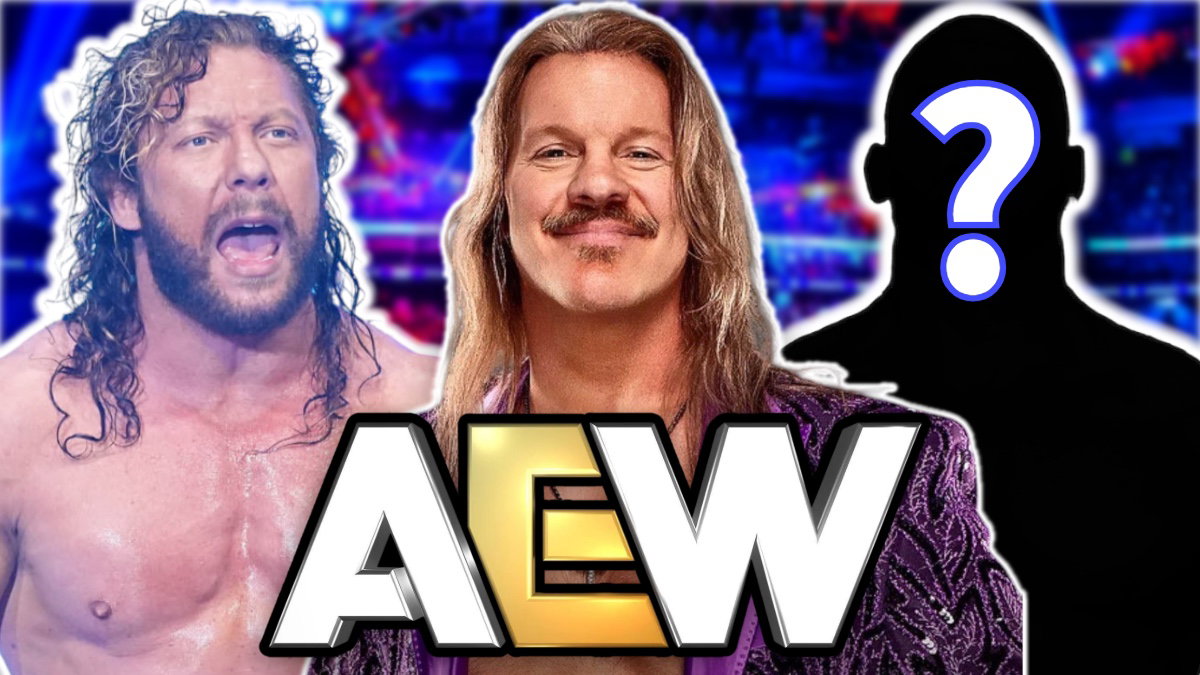
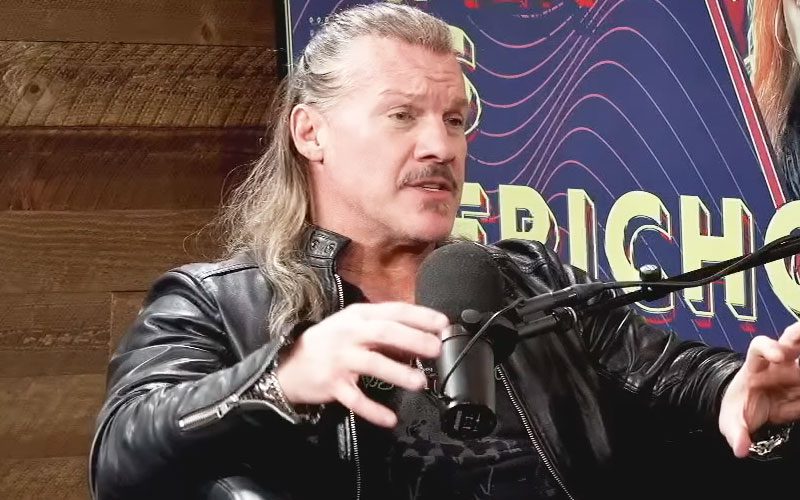
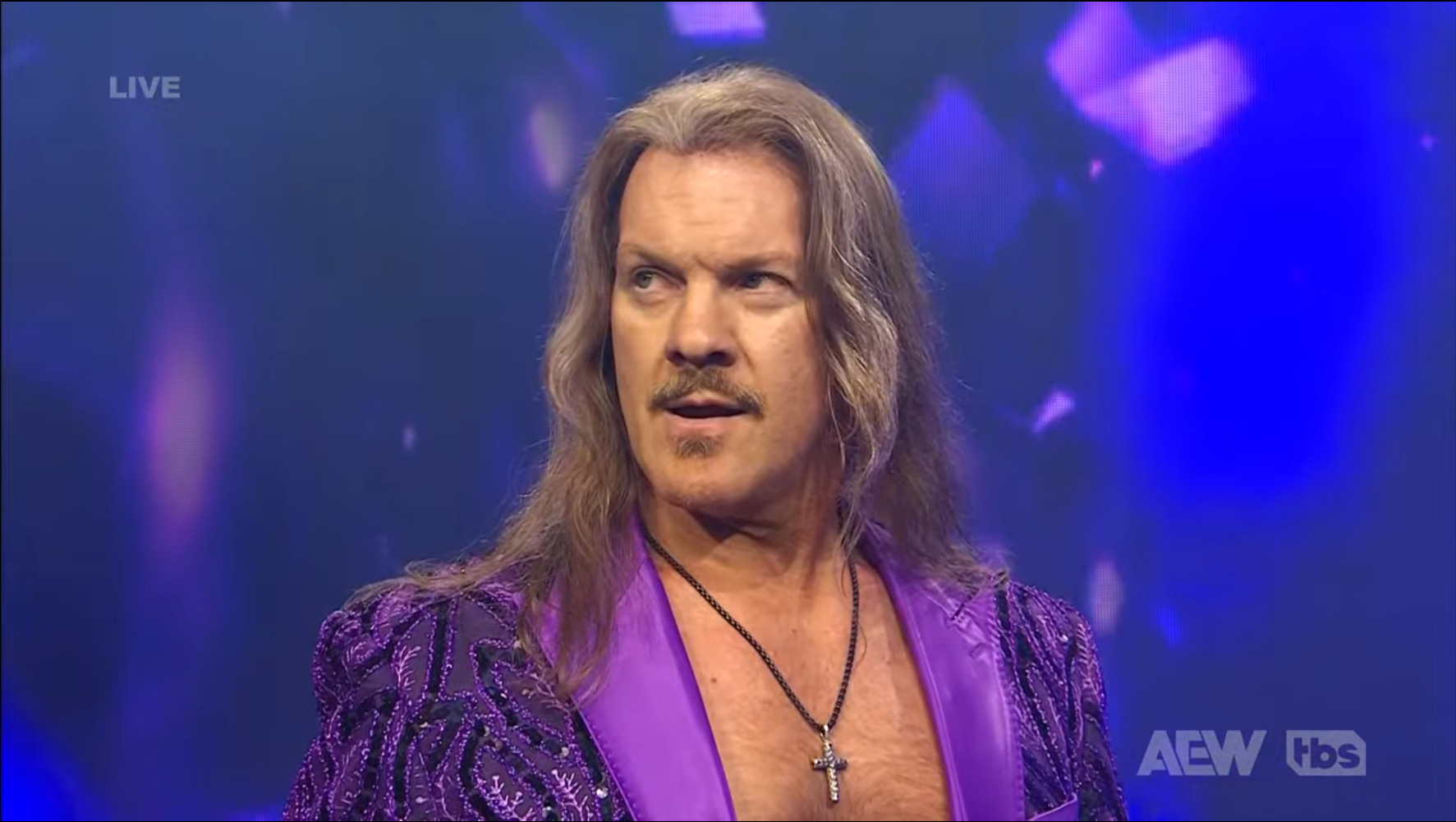
Chris Jericho returned to AEW Dynamite on April 1, 2026, marking a significant move for a promotion navigating a crowded spring schedule. This return comes exactly 18 days before WrestleMania 41, positioning the promotion in a precarious competition for viewer attention. While veterans drive short-term rating spikes, the reliance on established names underscores a shift in how AEW approaches its weekly television product.
The efficiency of the veteran model
In the last fiscal quarter, segments featuring wrestlers over the age of 40 have accounted for approximately 42% of the total top-three segment time on Dynamite. This data suggests a deliberate pivot toward reliability over rapid prospect development. When Chris Jericho appears, the intention is to stabilize segments that have historically fluctuated in the quarter-hour windows immediately following the 9:00 PM bridge.
I don't think there's any reason for Jericho to be away. He's the guy built to carry these heavy segments until the younger talent finds their footing.
That quote, representative of the internal discourse surrounding his return, highlights the strategic tension at play. However, relying on a performer to fill airtime is not a substitute for building long-term equity in younger stars. Data from the previous six months indicates that when veteran-heavy segments lead the show, the audience retention rate for the subsequent undercard matches declines by an average of 11%.
The statistical drag of repetitive booking
AEW is currently facing a bottleneck where talent depth is technically high, yet the utilization rate for the mid-card remains stagnant. Since January 2026, the average match time for performers under 25 years old has dropped from 12 minutes to 8.5 minutes per appearance. This shrinking window makes it difficult for developing talent to demonstrate in-ring psychology, effectively forcing them to rush transitions and high-spots.
As recent reports on Jericho’s return highlight, his re-emergence is framed as a narrative injection. Yet, from a tactical standpoint, this feels like an admission of missing key engagement metrics during the early stages of the year. If the company cannot maintain its 0.25 key demographic baseline without the crutch of its inaugural champions, the strategy for the post-WrestleMania period remains fragile.
The risk of internal stagnation
Compare the current reliance on veteran talent to the roster rotation seen mid-2024. In that period, the deviation in main event participants reached its peak, with 14 different individuals closing the show over a three-month span. Currently, that number has collapsed to 6. This centralization of airtime directly impacts the ability of the mid-card to move into the upper tier of the card ahead of the AEW Double or Nothing 2026 event scheduled for May 24.
The return of a foundational star like Jericho buys time for the booking team, but it does not resolve the underlying structural problem. With the FIFA World Cup looming in June, consumer attention will shift away from sports entertainment entirely. AEW is effectively trading its future development runway for present-day stability. If these veterans do not actively elevate their opponents through shared spotlight, the company risks entering the summer with a roster that is technically talented but commercially flat.