The mystery behind the Jericho layoff
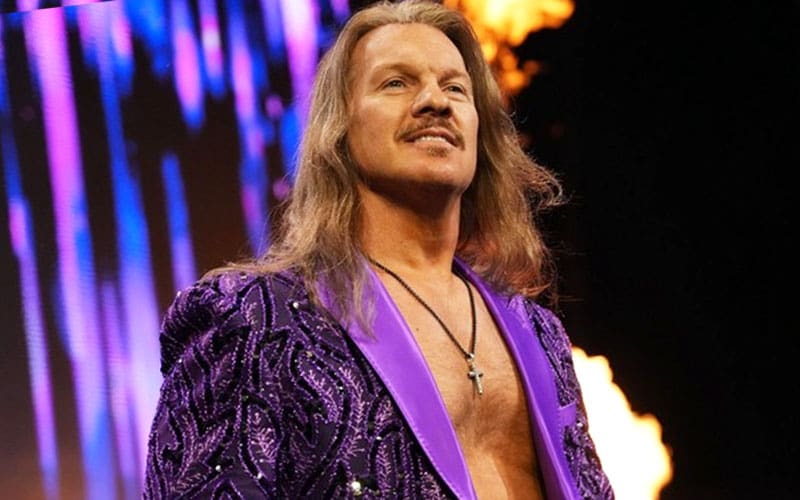
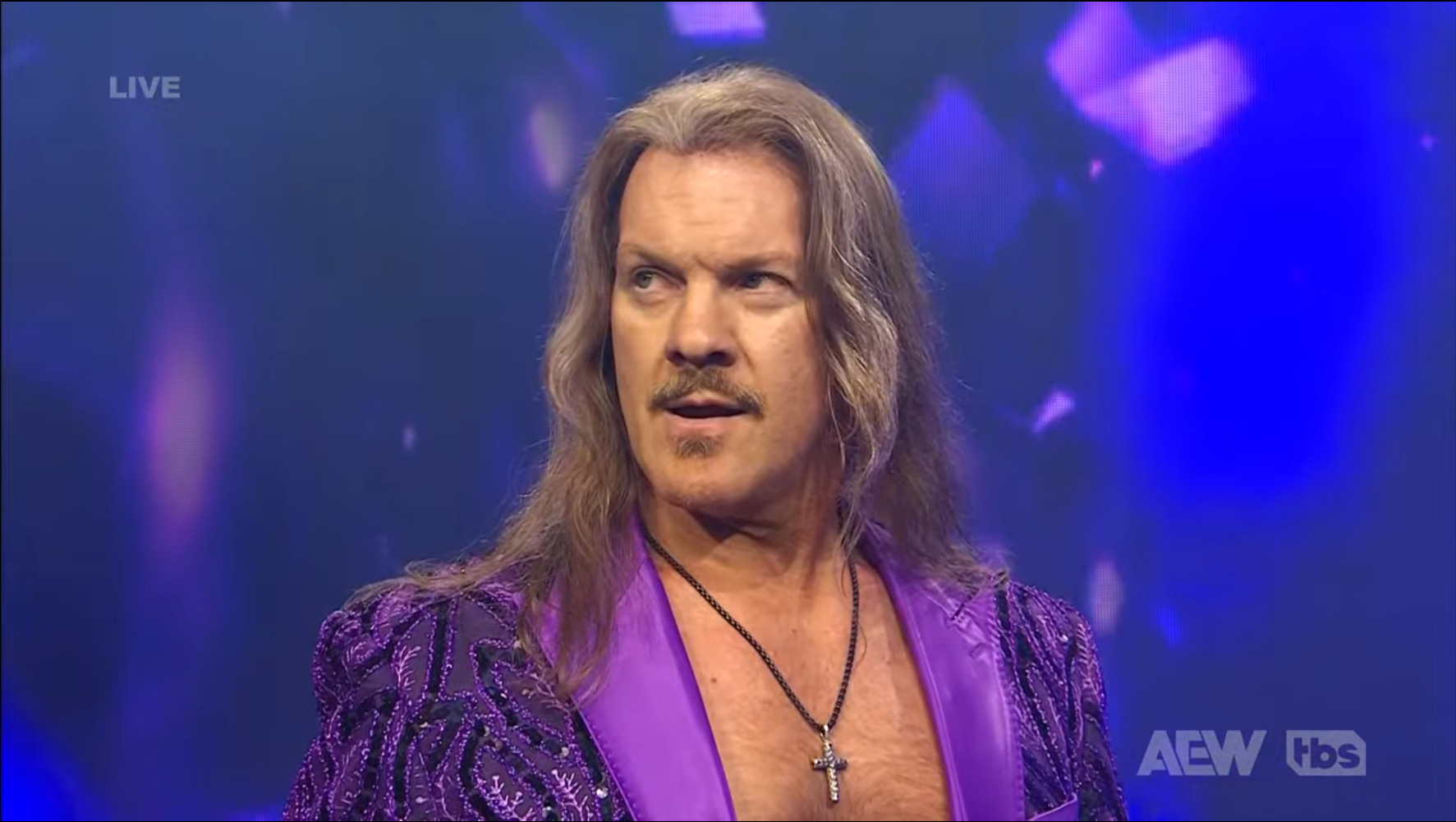
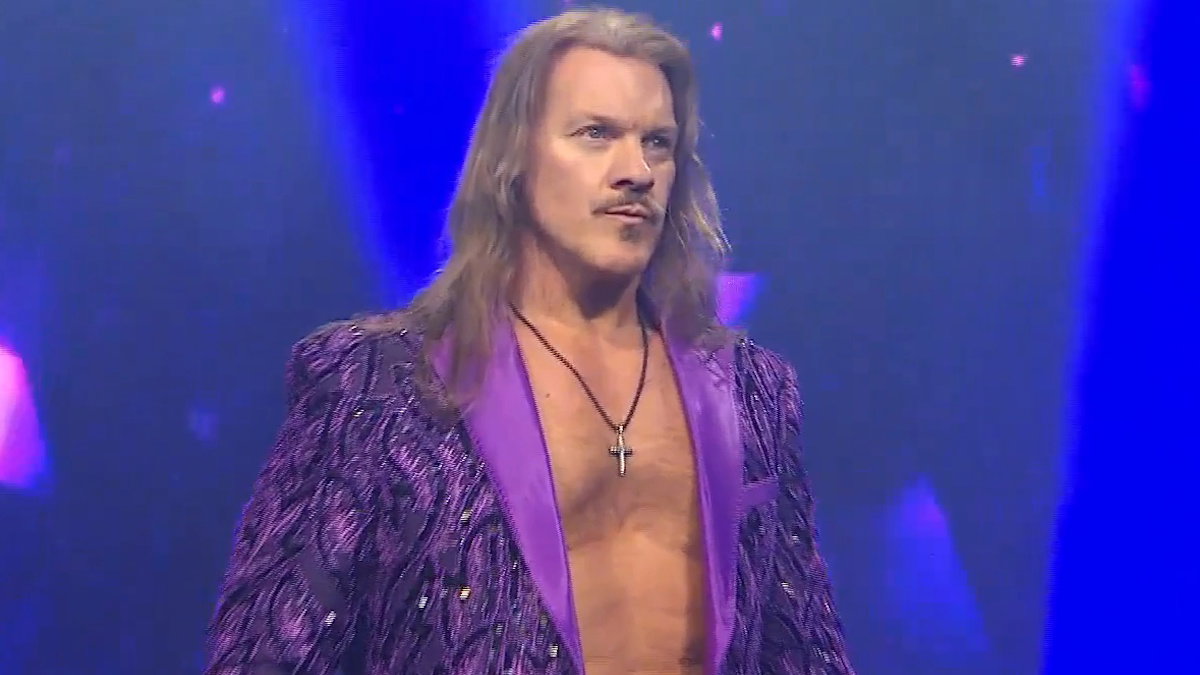
Chris Jericho returned to AEW Dynamite on April 1, 2026, ending a year-long hiatus from the promotion. For months, industry chatter centered on a potential jump to WWE as his contract expiration lingered. Instead, Jericho opened the show, effectively silencing the speculators who had penciled him into the WrestleMania 41 card.
His return raises immediate questions about why he stayed away for twelve months. While many projected an exit, the silence regarding his physical conditioning over that year remains a point of contention. Fans expected a formal update on potential injuries or personal leave, yet were met with a character-driven re-emergence devoid of medical context.
The missed opportunity in booking
Wrestling promotions often struggle with the transparency of long-term absences. When a top-tier talent like Jericho vanishes for a full trip around the sun, the lack of a clear medical timeline feels like a failure of communication. Without an official designation, the assumption falls to internal turmoil rather than an injury, which ultimately devalues the return pop.
Compared to peers dealing with documented ACL or labrum tears, the ambiguity here feels intentional. It mirrors the era of professional wrestling where kayfabe was maintained at the expense of audience trust. In an age where fans track everything from training room entries to recovery progress, this lack of clarity is an outlier.
Industry implications of the surprise comeback
AEW banking on a high-profile return instead of managing the injury reporting process creates a volatile environment for investors and talent agents. If Jericho was never injured, the year off becomes a business narrative about contract leverage rather than physical rehabilitation. This strategy works for a week, but it does little to bolster long-term stability.
The competition is currently pushing toward WrestleMania 41 on April 19-20. By opting to stay in AEW, Jericho avoids the immediate crunch of the WWE calendar, which features massive events like the build toward the mid-spring pay-per-views. Whether this makes him a stronger asset for Double or Nothing on May 24 depends entirely on his current mobility.
The physical toll of long-term absence
Returning to elite-level performance after a twelve-month lay-off is rarely seamless. Muscle memory remains, but the conditioning required to match the pace of the current AEW roster is a different animal. Unless he has been aggressively training in private, the risk of early setbacks is high for any veteran.
The criticism here is straightforward: AEW missed a chance to tell a story of recovery. Had they leaned into a storyline regarding an undisclosed injury, they would have built empathy. By choosing the path of mystery, they instead invited skepticism about his ability to deliver a main-event level showing at 55 years old.
Historical context and the calendar crunch
Historically, wrestlers who stay away for extended periods without a medical paper trail face immediate backlash when they return looking sluggish. Modern fans demand technical proficiency, and ring rust is often perceived as a sign of under-preparedness. Jericho enters a window where AEW needs momentum heading into their spring schedule.
With no matches reported during his absence, we are operating in total darkness regarding his match readiness. If he sustained a significant injury last spring, the twelve-month window should have allowed for a full recovery. If there was no injury, his return without a match since early 2025 creates a high-stakes environment for his first physical altercation.
The road to the next major PLE
Looking ahead to Double or Nothing on May 24, the promotion has 52 days to prepare Jericho for a spotlight match. This is a reasonable window for a ring-readiness camp, provided his joints and connective tissues are stable. If the injuries were persistent, his ability to participate in high-impact spots is essentially a gamble.
The lack of medical transparency remains the most frustrating element for those tracking the roster's health. While he has returned to the venue, the return to the ring as a full-time competitor requires more than just a promotional appearance. We will watch how he moves in his first recorded segment—specifically his stamina during a standard 15-minute exchange.