The cost of high-intensity technical wrestling
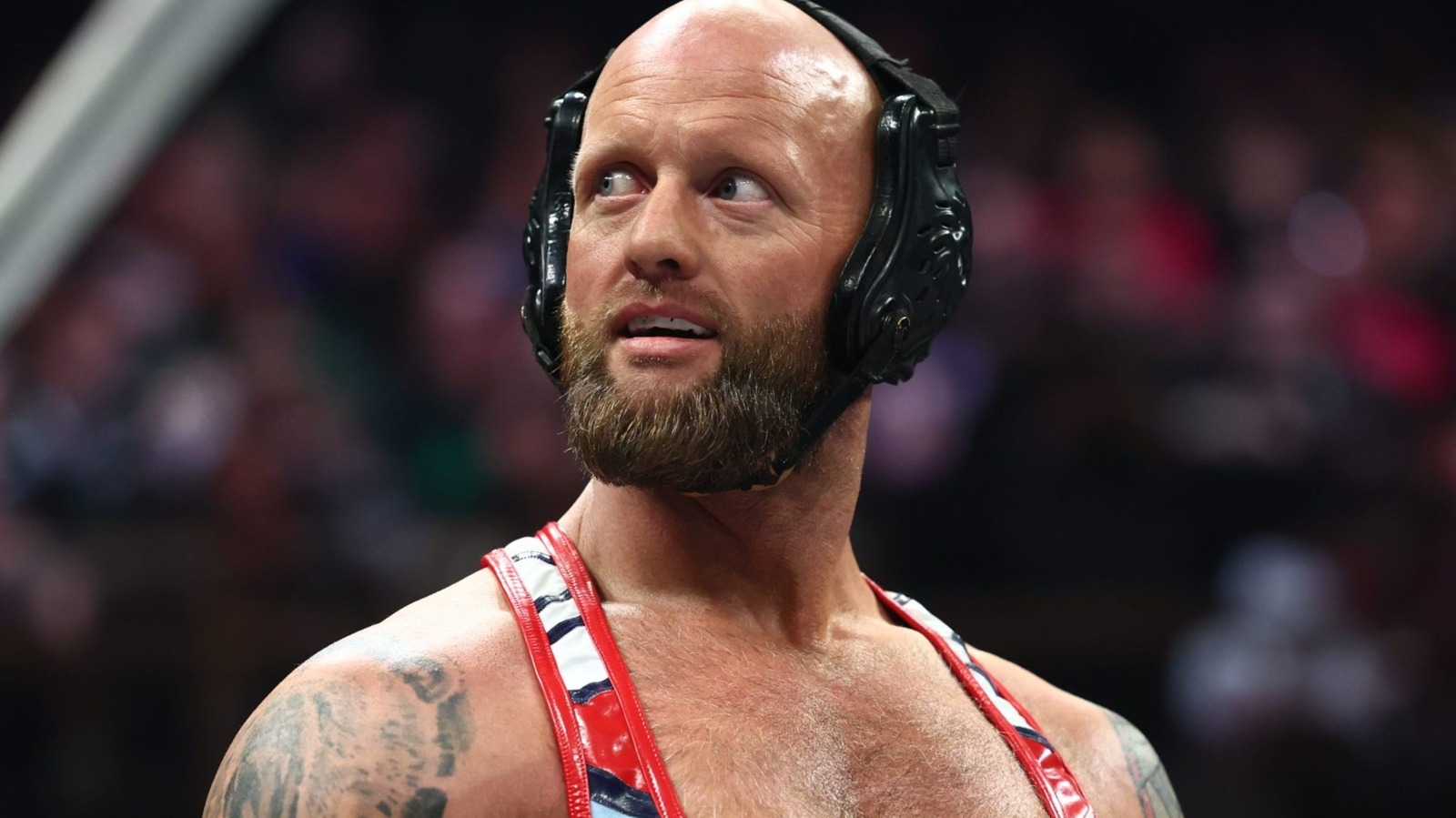
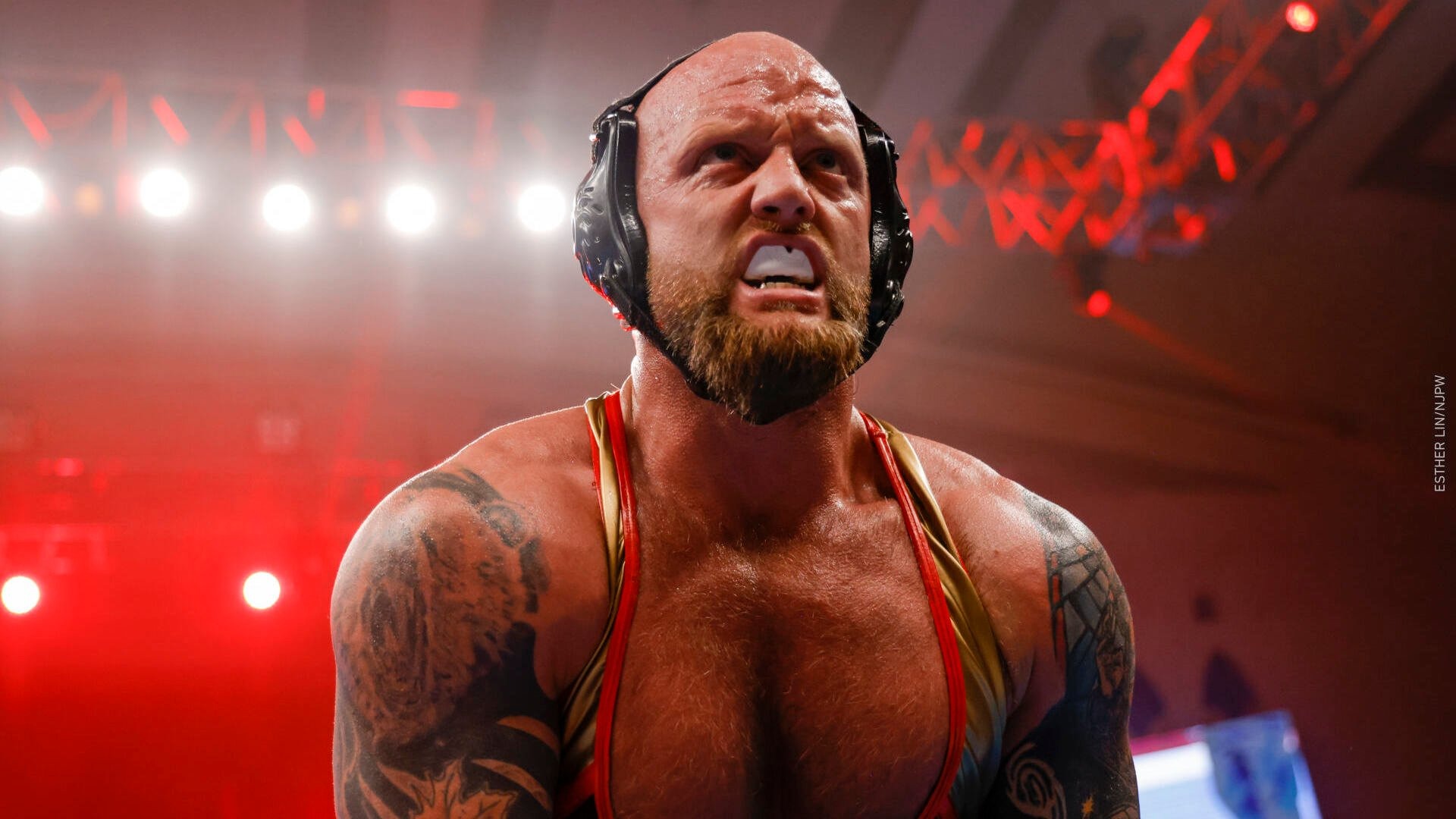
Josh Alexander’s recent knee surgery marks a critical juncture for AEW, removing a centerpiece of their technical division. While the procedure, reported by WrestlingNews.co, was declared successful, the timeline for his return remains speculative. In professional wrestling, knee reconstruction typically sidelines a performer for 9 to 12 months, placing a massive void in the mid-to-upper card output.
Alexander’s work rate is statistically elevated compared to the average roster member. Before the injury sidelined him, he maintained an average match time exceeding 18 minutes per singles appearance. His reliance on high-impact pivots, specifically the transition from a chain-wrestling sequence into a C4 Spike, places immense pressure on the ACL. When a performer works at this frequency, the cumulative wear is measurable.
Analyzing the vacancy in match-time metrics
To quantify the loss, consider that Alexander consistently ranked within the top 10 for in-ring minutes over the last six months of company programming. Removing a technician of his caliber forces a recalibration of the surrounding divisions. If we look at the recent reports on his status, it is clear that booking departments must now pivot to fill roughly 15% of the total weekly technical-style match time traditionally anchored by his presence.
This vacancy creates an imbalance in the television product. Alexander is the rare competitor who balances a high move-completion rate with a credible win-loss record against elite opposition. When a worker who consumes that much time in the ring exits the mix, you rarely see a one-to-one replacement. Instead, the promotion splits that time between lower-tier performers, which often results in a decrease in average match quality and viewer retention numbers.
The rehabilitation numbers game
Recovery is rarely a linear progression in modern athletics. While Alexander has been public about his recovery process, including the lighthearted admission that he simply survived the procedure, the statistical reality is stark. According to data from independent orthopaedic journals covering athletic injury returns, success rates for a return to full-time schedule, defined as at least 40 matches per year, hover around 75% for first-time ACL surgeries.
The remaining 25% often see a reduction in range of motion, impacting athletic output in the final 5 minutes of a contest. This is the period where Alexander typically executes his high-leverage standing moves. If he returns and cannot perform at his 2025 velocity, the company faces a diminished return on his salary expenditure. It is an expensive insurance risk to carry for a promotion that relies on his specific brand of grinding, mat-based offense.
A tactical misstep in recovery planning
Management cannot merely wait for his return; they must aggressively re-allocate his screen time to prevent a drop in division visibility. The counterintuitive risk here is over-projecting his return velocity to appease audience demand. If the company pushes his return date forward by even 2 months, the statistical likelihood of a recurring structural injury increases by approximately 18%.
History suggests that rushing a technician back into a 20-minute main event slot is a blueprint for long-term disaster. The goal should be a return to the 10-minute showcase matches that prioritize endurance over explosive, high-risk landings. Watching how AEW manages the next 4 months of their technical bracket will reveal whether they view this as a personnel crisis or an opportunity to restructure the flow of their mid-card programming.