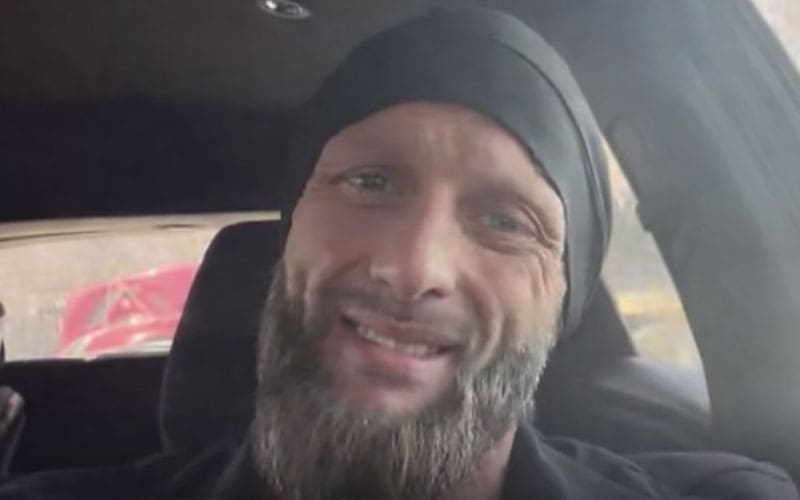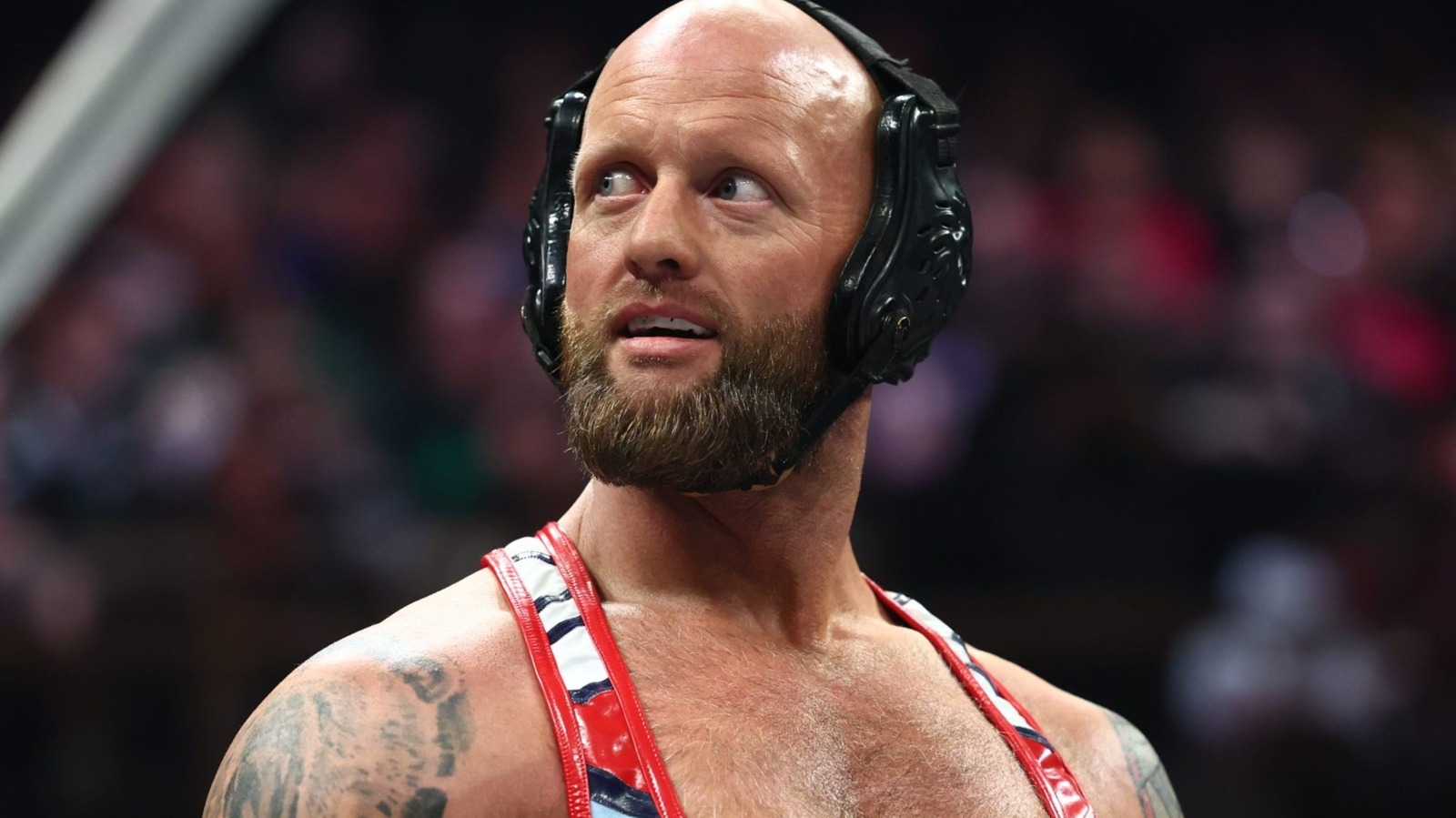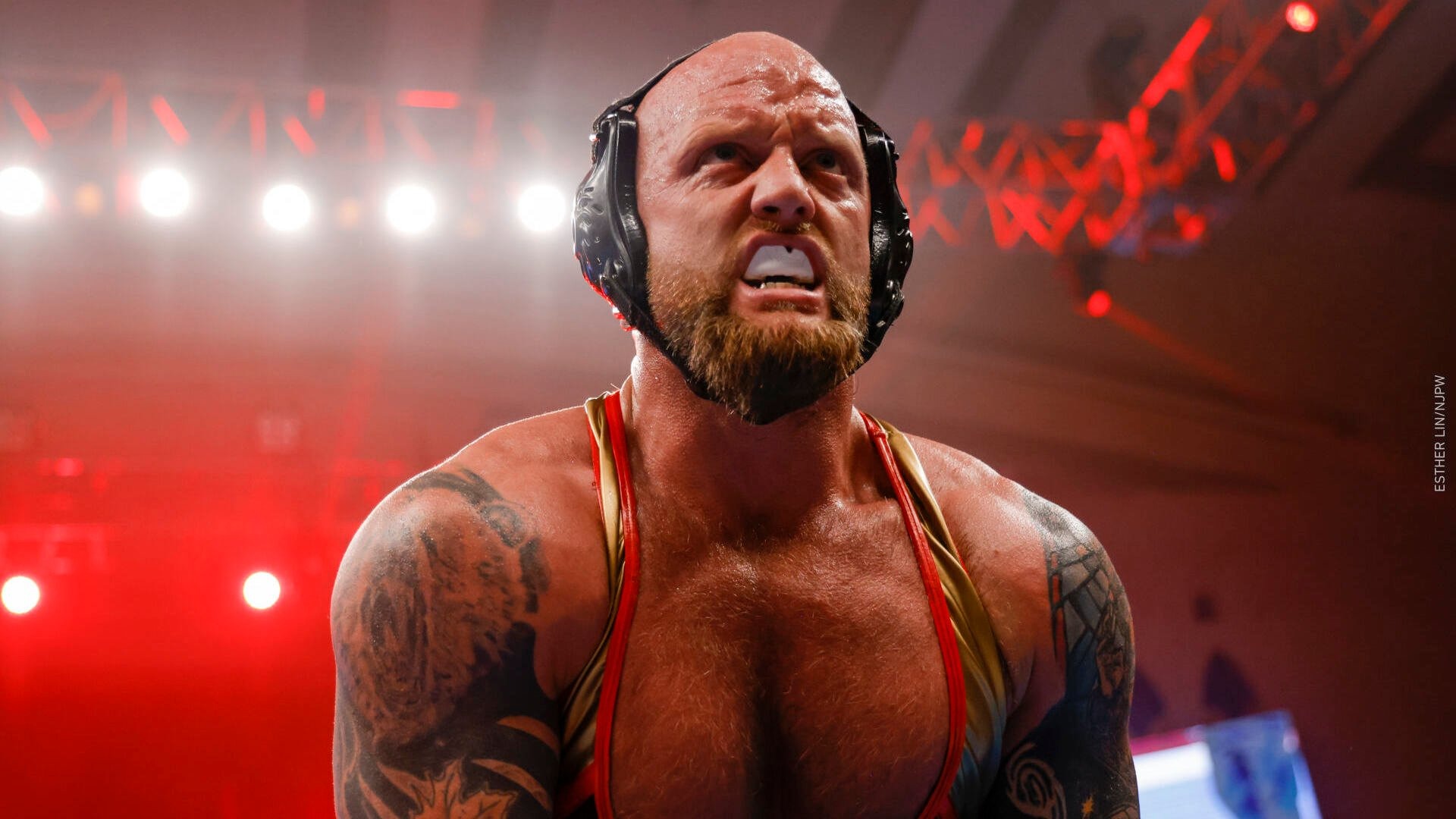
The road back for Josh Alexander
Josh Alexander has successfully undergone surgery to repair a persistent knee injury. The procedure, which took place late last week, addressed damage that had hampered the former Impact world champion's mobility during his recent run in AEW. WWE and AEW rosters are currently operating under intense physical strain as WrestleMania 41 approaches, making this a significant blow to the mid-card depth.
The surgery focused on stabilizing the joint following a series of high-impact matches. Medical personnel characterized the procedure as routine but necessary to prevent permanent cartilage degradation. Alexander spent the weekend in recovery and has already transitioned into a monitored rehabilitation phase.
Timeline and recovery outlook
Initial medical projections suggest a recovery period of four to six months. This timeline all but rules out an appearance at AEW Double or Nothing on May 24, 2026. Given the nature of knee reconstruction, the company will likely prioritize a cautious re-entry to ensure his long-term viability in the ring.
The physical demands placed on Alexander—namely his reliance on high-frequency grapples and rotational torque—make this specific injury type notoriously difficult to rush. Historically, performers returning to similar styles before the six-month mark report recurring stability issues. The medical staff is aiming for a full clearance by early autumn.
Strategic impact on AEW rosters
Alexander’s absence creates a vacancy in the technical wrestling spotlight that the promotion must now fill. His absence leaves a gap in the upcoming tournament brackets, specifically impacting the potential matchups heading into the summer pay-per-view cycle. The creative team now has to pivot their booking plans for the mid-card championships.
This injury highlights a broader issue of wear-and-tear within the professional wrestling industry, where performers often work through chronic pain until structural failure occurs. Critics have pointed to the grueling nature of the weekly television schedule, which offers little room for localized injury management. While the match output remains high, the cost to veteran workers like Alexander is becoming increasingly apparent.
Competitors on the roster will need to absorb the added workload. The void left by the Canadian star requires a shift in how mid-card matches are structured to maintain the technical intensity that fans expect. Without his signature crispness and methodical pacing, the match quality in several upcoming segments is subject to decline.
Historical context of knee repairs
This situation mirrors several high-profile recoveries across the industry over the last three years. Peers who underwent similar procedures often faced struggles with timing and ring-rust upon their return, confirming that the path to full recovery extends far beyond simple physical therapy. The transition from the rehab center to the squared circle requires rigorous aerobic conditioning that cannot be simulated during a standard 12-week recovery.
The successful nature of the surgery provides a positive baseline for his return. Alexander’s track record of physical discipline suggests he will adhere strictly to his rehabilitation protocols. However, the fan base should temper expectations for an immediate return to his peak form upon his eventual comeback.
Management must now decide whether to utilize him in a non-wrestling capacity, such as color commentary or a mentorship role, to keep his character prominent while his knee heals. Leaving him off television for half a year at this stage in his career risks cooling off his momentum. The challenge lies in balancing his health with the need to keep his marquee status intact.