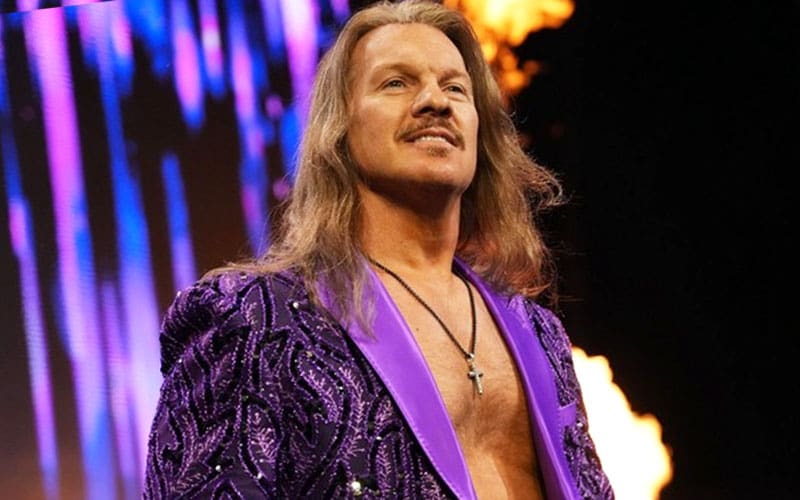
The physical toll of the Jericho return
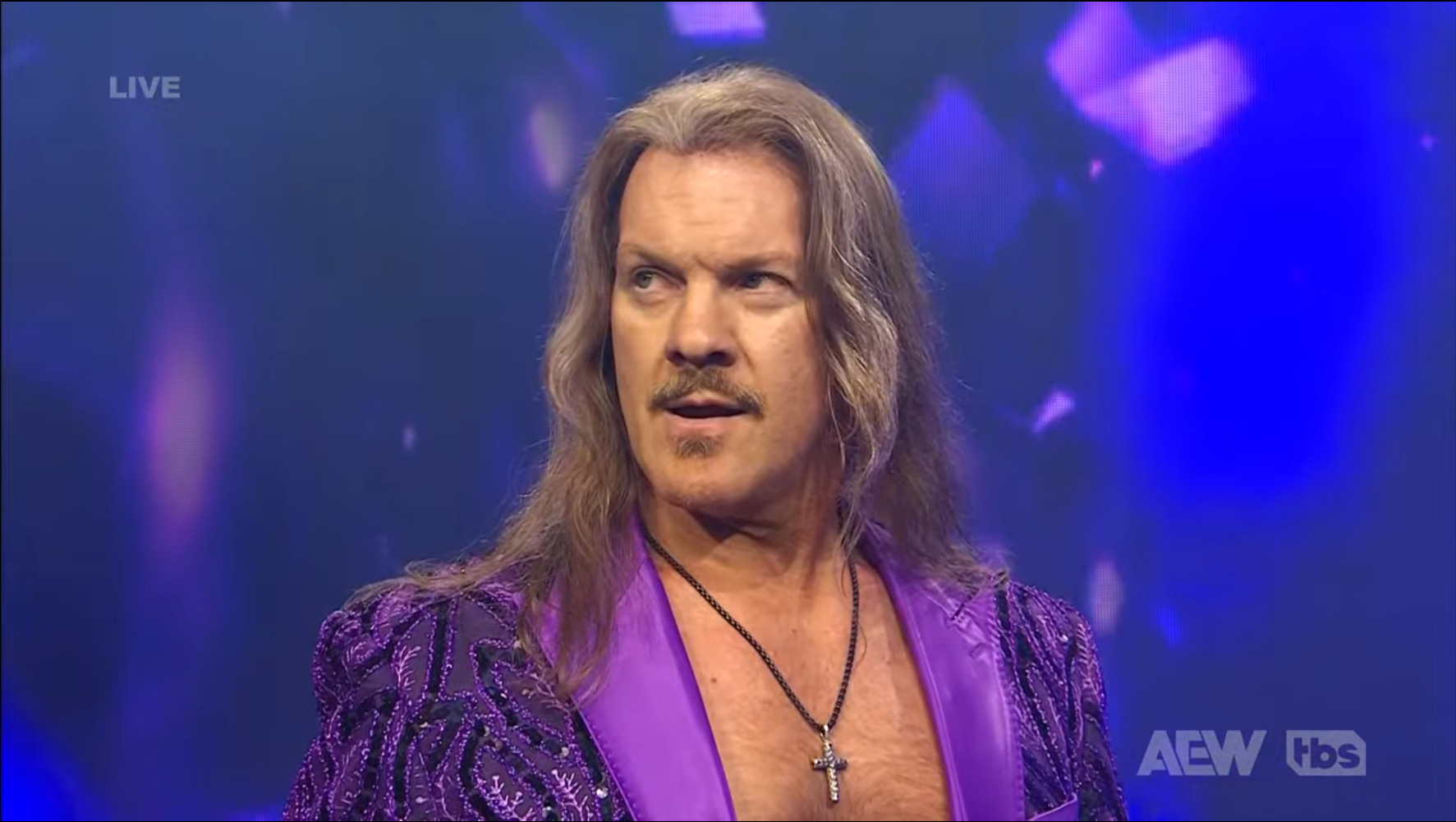
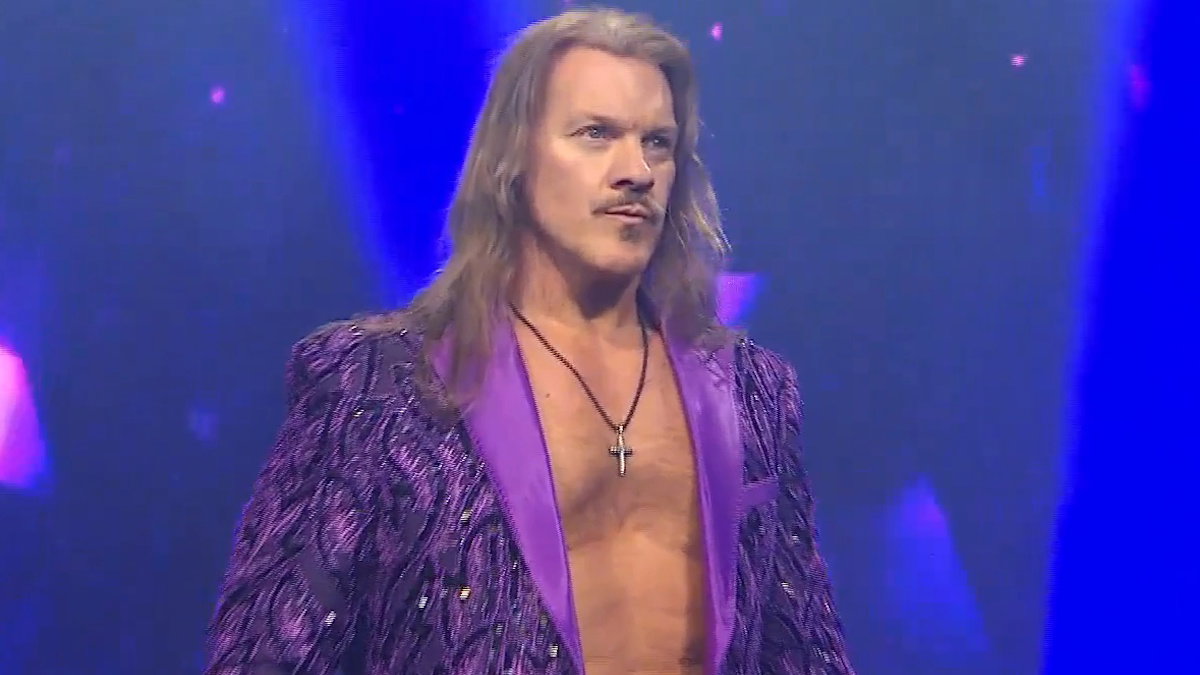
Chris Jericho is currently grounded, dealing with a significant pectoral strain sustained during his recent high-intensity program. The injury, confirmed by internal medical staff, occurred during a stiff exchange in the closing minutes of a televised main event. While the initial prognosis was cautiously optimistic, the recovery trajectory suggests he will be off the card for several weeks.
This is a brutal setback for a performer who relies on a punishing schedule to maintain his status atop the company hierarchy. Jericho has rarely missed time, but the physical degradation inherent in his style is finally surfacing. Pectoral issues in veterans are notoriously fickle; rushing back leads to total structural failure.
Rewriting the April booking sheet
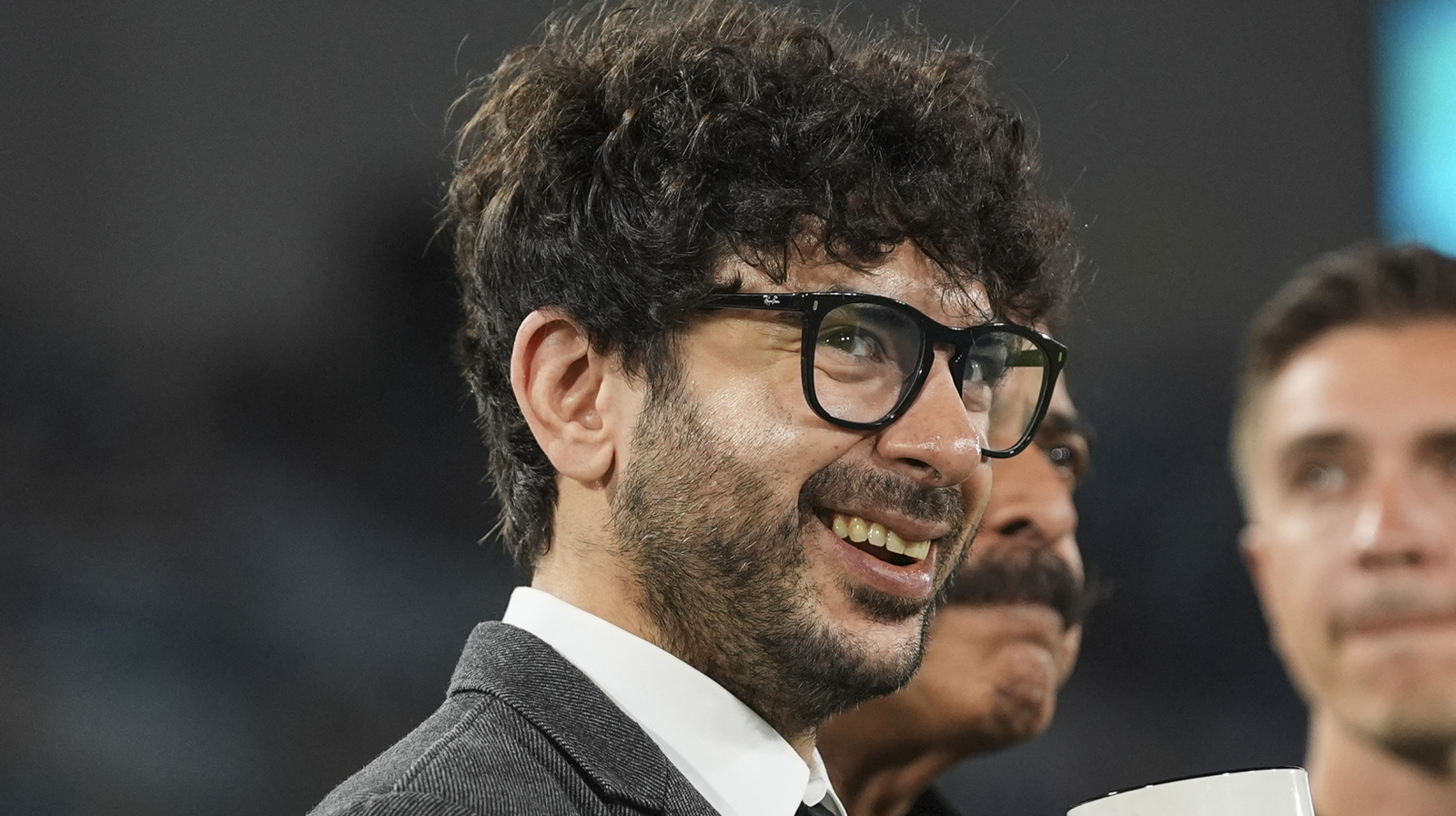
Tony Khan faces a massive booking crisis as he approaches the late spring events. Jericho was penciled in for multiple segments leading into the summer, acting as a bridge between the veteran guard and emerging talent. Without his presence, the mid-card weight shifts drastically, potentially forcing a total pivot in the current narrative threads.
The lack of a contingency plan is an indictment of the current creative workflow. relying on a singular veteran anchor creates a single point of failure that the company can ill afford. When the anchor snaps, the ship drifts, leaving viewers to watch filler segments while the creative team scrambles to fill three hours of programming.
Historical precedent and long-term risk
This situation echoes similar injury-plagued runs seen in veteran performers throughout the industry. We have seen previous instances where Jericho managed his workload with surgical precision, yet this time he pushed past the point of diminishing returns. The reality is that tissue elasticity fades, and the bumps taken in 2026 carry higher costs than in 2016.
The medical staff is not taking any chances with the long-term health of the roster, preferring a clean healing period over a medicated return.
The strategic implications are clear: the roster needs to produce new headline acts immediately. Depending on 50-plus-year-old bodies to carry the promotional weight is a temporary solution that acts as a drain on future potential. If the company cannot elevate new stars during this injury window, they will lose the momentum built over the first quarter.
The view from the training room
Expect a standard rehabilitation protocol focused on stability and inflammation control. The target return date remains nebulous, but missing the bulk of the April build-up is a guaranteed reality. Following his return, Jericho will likely be restricted to shorter, safer spots until the strength returns to his upper torso.
This recovery process is tedious and demands patience, elements rarely found in the frantic environment of live television wrestling. If he ignores the medical guidance, the secondary injury risk rises to 50 percent. That type of reckless risk management destroyed careers in the past and there is no reason to believe it would play out differently in this case.