Why Chavo is tired of the brand wars
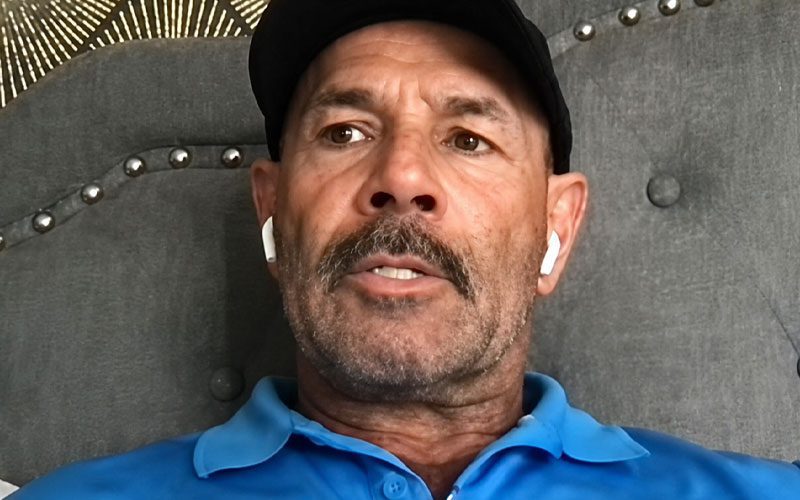
If you have spent any time on social media lately, you know the vibe. Wrestling fans are spending more energy fighting over which billionaire owns their favorite imaginary soap opera than actually enjoying the product. Chavo Guerrero recently went on the offensive, calling out the tribalism that has rotted the discourse. He is tired of people deciding a match is bad specifically because of the logo on the ring apron.
It is exhausting. We see it every time a high-flyer hits a perfect 450 splash or a technician grinds out a clever sequence of counter-wrestling. Half the comments section is just people looking for reasons to act like they are on a payroll. Chavo has been around long enough to see promotions rise and fall, and he knows that a great 20-minute main event is a great 20-minute main event regardless of who signs the checks.
The Rey Mysterio factor and the 'good old days'
Chavo didn't stop at just complaining about the fans. He reminded everyone that he and Rey Mysterio could still walk into an arena today and put on a clinic. Their chemistry is legendary, rooted in a time when wrestling felt more like a fraternity and less like a battle of fanbases with inferiority complexes. There is a specific sting in reading these comments from a guy who survived the WCW buyout and the Lucha Underground era.
Some sections of the fanbase are eating this up. The enthusiasts agree that the constant brand-shilling is destroying the fun. One post on a major forum hit the nail on the head: "I don't care if it's Peacock, Netflix, or a taped show in a strip mall parking lot. If the story makes sense and the closing sequence hits, I'm entertained. Why are we acting like sports teams?" That is the sentiment Chavo is echoing. It is simply about the craft.
The skeptics and the contrarians
Of course, the internet being the internet, the contrarians are out in full force. Some claim that the "tribalism" is just part of the modern experience of being a fan. They argue that supporting a specific vision of wrestling is a personality trait at this point. A common counter-argument goes like this: "It isn't about hate, it's about holding companies accountable for bad booking or lazy storytelling. If a show is boring, I have every right to trash it because they are competing for my subscription money."
There is validity to that, but it misses the forest for the trees. Chavo isn't saying you can't criticize a bad segment. He is pointing out the performative outrage that greets any move in the industry. It is the kind of intellectual dishonesty where someone will praise a powerbomb in one company but call it unsafe or boring when it happens in another. It’s transparent, it’s petty, and it makes the entire community look like a bunch of basement-dwelling contrarians.
Is Chavo actually right?
My take? Chavo is absolutely correct. When you look at his broader take on wrestling tribalism, he is acting as the voice of reason for people who are just tired of the noise. The quality of the athleticism we see today is at an all-time peak. We are seeing moves being pulled off in mid-tier promotions that would have been highlight-reel material fifteen years ago.
However, let’s be critical for a second. Is there a scenario where this 'tribalism' actually keeps the industry healthy? Competition breeds innovation. If every fan just sat there and clapped for everything because "wrestling is fun," production budgets would shrink and creative teams would go stagnant. Having a loud, critical, and sometimes obnoxious fanbase is probably better than having no audience at all. We just need to stop pretending that being a fan requires an oath of loyalty to a corporate boardroom.
At the end of the day, Chavo Guerrero coming for the fans is just the reality check we needed. Do we want to be fans of wrestling, or do we want to be unpaid interns for television executives? He’s pointing out that the chemistry he shares with his peers matters more than the broadcast platform. That is a lesson that even the most die-hard, brand-loyal marks could stand to learn. If you spend 100 percent of your time hating stuff, you’ll eventually forget why you started watching in the first place. Put the phone down, ignore the bot accounts, and just pop for the high spot.