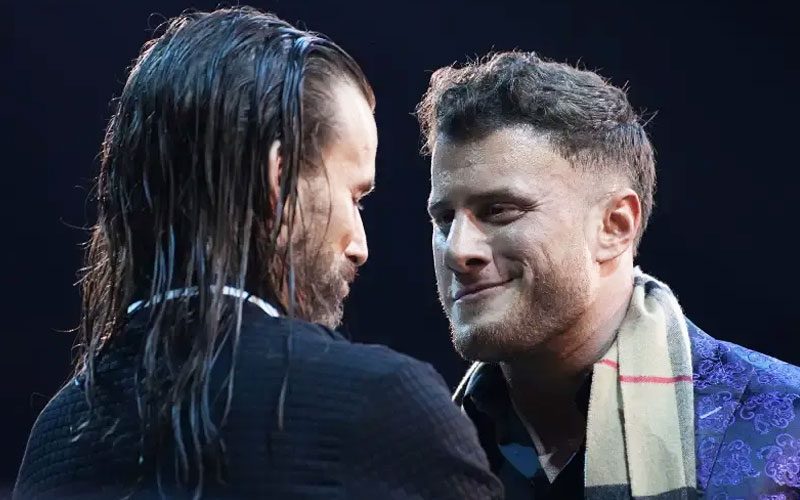
The MJF and Adam Cole saga finds new ways to annoy fans
If you thought the constant chirping between MJF and Adam Cole had reached its natural expiration date, you clearly haven't been paying attention to wrestling Twitter lately. MJF recently turned the heat up by essentially hoping his former partner stays gone permanently. It's the kind of petty, bridges-burned rhetoric that usually keeps forums buzzing for weeks.
The fan reaction is split right down the middle, leaning heavily into tribalism. On one side, you have the "long-term storytelling" crowd who believe this slow-burn tension is the pinnacle of modern booking. They insist that every insult thrown creates a deeper foundation for a future clash that will inevitably sell out arenas.
Then you have the pessimists who think the bit has gone stale. One user on a popular sub-forum joked that the only thing more predictable than a DQ finish in the mid-2000s is another MJF promo about Adam Cole. They argue the constant verbal sparring is just stalling for time while they wait for actual creative direction.
Chavo and Booker T touch some nerves
While the AEW discourse rages, there’s been a quieter, grumpier debate happening regarding the transition from amateur mats to professional rings. Chavo Guerrero recently weighed in on why elite amateur athletes often crater when they try to adapt to the worked side of the business. It wasn't exactly a glowing review of the current crop of prospects.
Chavo’s point seems to be that ego is the primary obstacle for guys coming out of collegiate wrestling programs. He suggests that shedding the "tough guy" amateur mentality is harder than learning how to take a proper back bump. Some fans loved the old-school perspective, while others felt it was gatekeeping by someone who spent a lifetime in the business.
Meanwhile, Booker T is reflecting on the ghosts of history, specifically why Harlem Heat never got a proper run in the WWE. Booker manages to keep a level head about it, which is more than I can say for the commenters who are still furious about the missed opportunities from the turn of the century.
The "loss doesn't matter" debate
Perhaps the most divisive topic this week involves Booker T insisting that taking losses never bothered him during his career. This is heresy to the modern stats-obsessed wrestling fan. In an era where fans track win percentages like they're building an MLB roster, this sentiment created a genuine firestorm.
One camp argues that Booker’s mentality is exactly why he became a legend. If you worry about your W/L record in a scripted sport, you're missing the point of being an entertainer who sells tickets. You can go 0-50 and still be the most popular person in the building if your character work connects.
"Booker T treated wrestling like a business rather than a stat sheet. That's why he lasted while the guys who were obsessed with protected finishes ended up washing out in local indies by 2005."
The contrarians aren't buying it. They insist that protecting a star's record is basic psychology. If every loss is treated like it doesn't matter, then winning ceases to carry any weight, ultimately devaluing the championship belts. They point to specific booking mistakes where someone was buried mid-push just because they took a surprise loss on a random episode of television.
My take? Booker is right, but he’s right for a different time. In 2026, the audience expects more consistency in the booking hierarchy. When you see a guy lose a high-profile match via interference and then get a title shot two weeks later, it feels like the writers are just throwing paint at the wall.
Booker’s laid-back attitude works if the match is good. However, if the outcome feels like a flippant result of booking laziness, the crowd gets sour fast. Let's be honest: we don't need a spreadsheet, but we do need to feel like the participants actually care about the stakes of the match happening in the ring at that moment.
Overall, it’s a typical week where the legends are preaching calm and the fans are fueling the fire. Everyone is shouting over each other, and frankly, that’s exactly how it should be. If we all agreed on the state of the product, the discord would be a lot quieter—and a hell of a lot less entertaining to read.