The White House lawn experiment
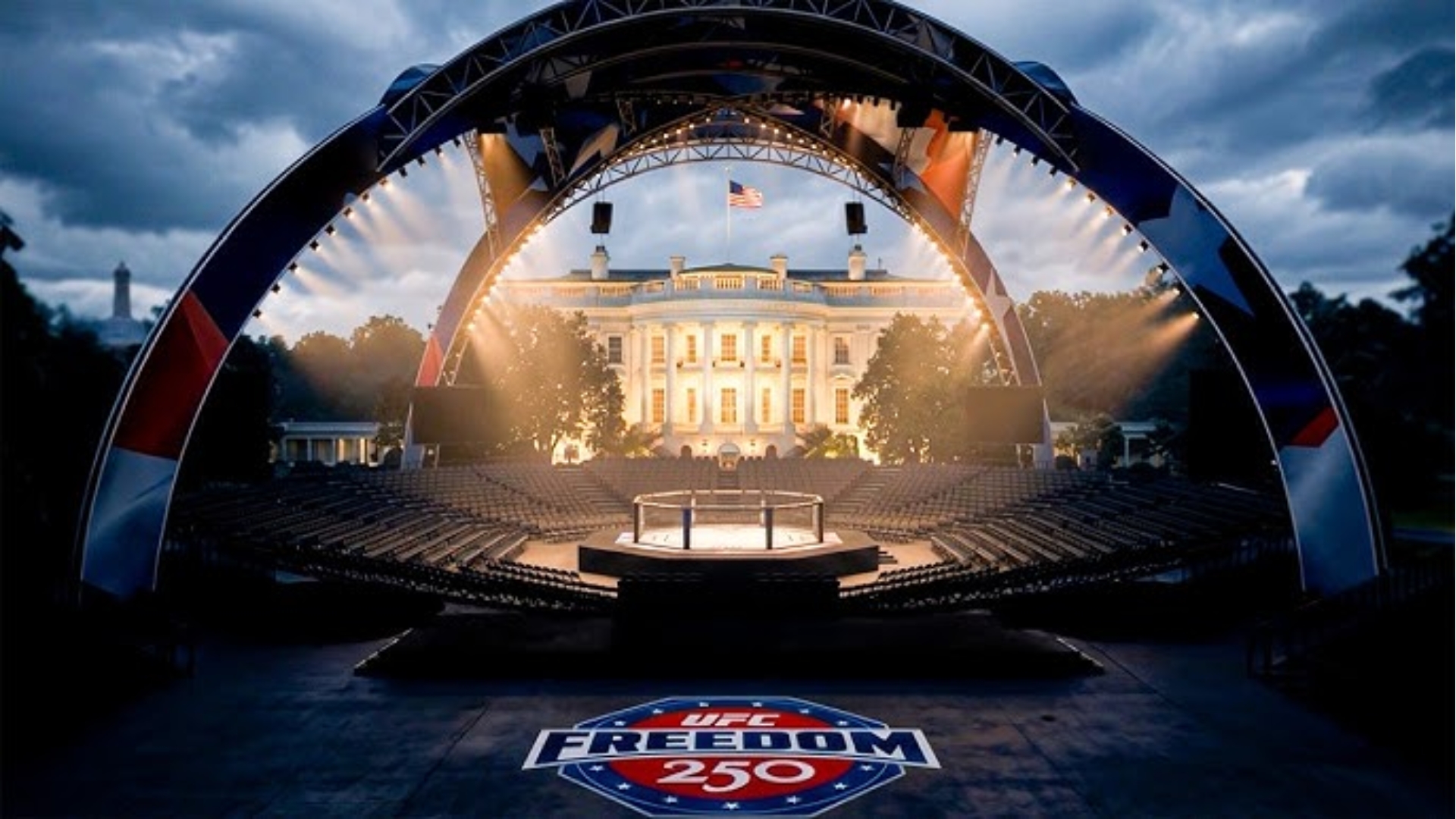
UFC Freedom 250 was never going to be a standard fight card. Hosting professional combatants on the White House lawn creates a bizarre aesthetic, but the overlap with the professional wrestling circuit was the real story. We saw Josh Hokit lean into camp with a Hulk Hogan-inspired entrance, complete with the yellow-and-red pageantry that feels entirely out of place in a sanctioned octagon setting.
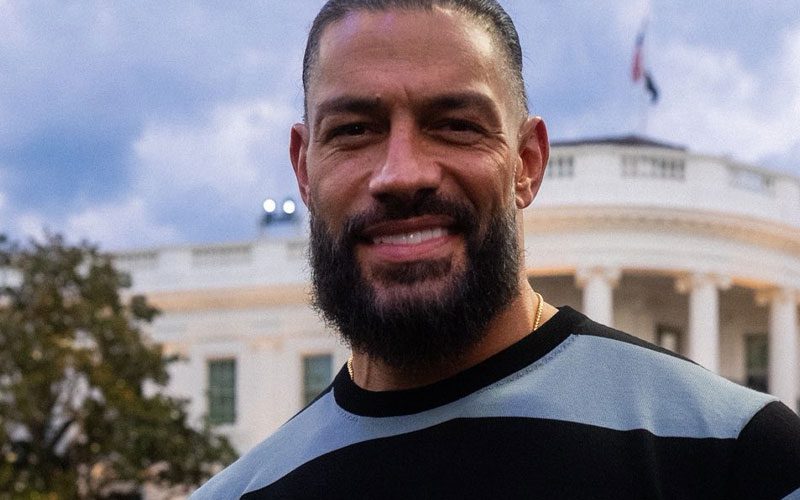
This isn't just a gimmick. It points toward a shifting strategy for combat promotion companies looking to maximize domestic exposure. When you see Triple H taking time to hit a signature pose with Roman Reigns in the same vicinity as the fighters, you realize the industry is actively merging its fanbases.
The Strickland outlier
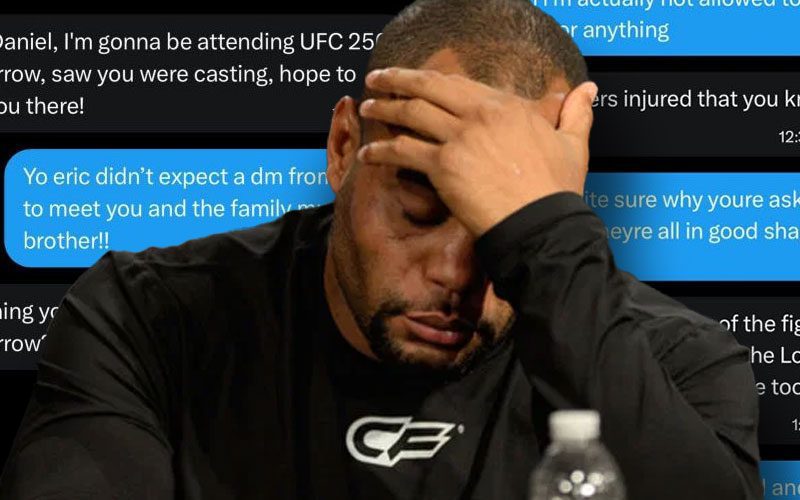
The most jarring moment involved Sean Strickland at the fanfest, where he was reportedly escorted out by police for invading a wrestling ring. Strickland treats every public appearance like a sparring session gone wrong. While his antics draw eyes on social media, the lack of discipline shown in infiltrating a scripted environment signals a breakdown in the professional barrier between these two distinct worlds.
If you want to understand where the money is headed, look no further than the recent DOJ approval of the Paramount and WBD merger. We are looking at a market where content distribution power is concentrating into fewer hands. When the guys signing the checks for scripted wrestling own the pipe that delivers live UFC events, the crossover segments will become the baseline rather than the exception.
Statistical reality vs. spectacle
Let's talk about the actual product though. Hokit’s entrance was fun, but it highlights a persistent issue: the dilution of focus. When fighters become performers before the cage door even locks, the technical tension often suffers. Analyzing the metrics of these crossover events, the engagement spikes during the spectacles but drops significantly during the subsequent grappling exchanges.
The integration of professional wrestling veterans like Triple H into high-profile fighter events is a strategic play to keep attention spans locked on a singular broadcast window. It works in the short term for ratings. Long term, it risks alienating the purists who care more about strike volume and ground control percentages than choreographed poses.
My prediction for the rest of the year
We are going to see a sharp increase in crossover appearances. The merger of media entities makes the financial incentive for these stunt-heavy weekends too high to ignore. Expect more fighters to adopt "inspired" entrance gear and more wrestling legends to show up at cage-side seats.
My prediction is that this trend leads to at least one major "staged" conflict involving an active fighter and a prominent wrestler before the end of the calendar year. It will be the most talked about segment of the broadcast, resulting in a 25 percent increase in social media impressions for the promotion involved. The cost will be a 10 percent dip in perceived legitimacy among the core hardcore MMA following. It is a cynical calculation, but one that current media leadership is clearly prepared to make.