The Defining Shifts of 2026
The wrestling calendar moves with unrelenting velocity. From crossover media appearances to unexpected personnel changes, these ten moments shaped the industry throughout the first half of this year.
10. Roman Reigns at UFC Freedom 250
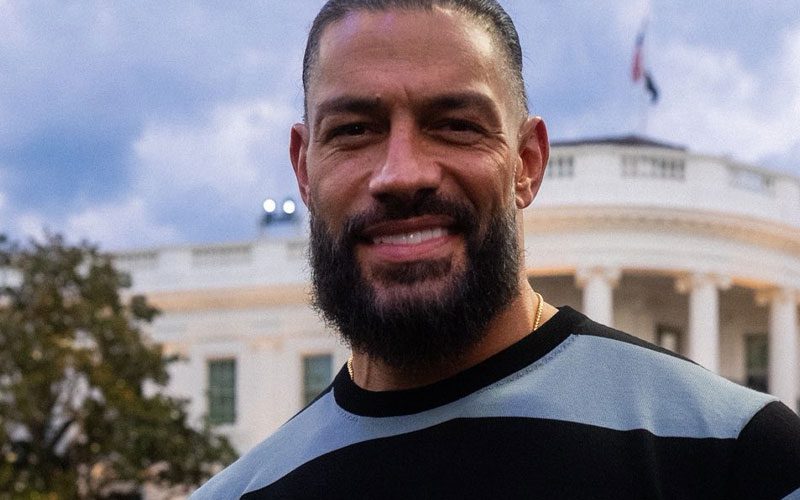
Roman Reigns appearing at the White House for UFC Freedom 250 signals a shift in TKO branding. Photographed alongside combat sports elites, Reigns moved outside the traditional wrestling bubble. This appearance serves as a public declaration of his role as the face of the TKO hierarchy. As reported by Ringside News, the visual branding suggests a move toward unified representation for all TKO athletes. It lands at ten because, while commercially significant, it lacked direct in-ring progression.
9. The Michael Oliver Officiating Withdrawal
The late withdrawal of Michael Oliver in Philadelphia is a reminder that sports officiating is never isolated from physical strain. Replacing a high-profile referee minutes before a Group E fixture changes the dynamic for the performers involved. The confusion regarding standard FIFA protocols during the transition revealed a lack of communication that left fans frustrated. It remains a notable moment because professional standards were arguably compromised under the international spotlight.
8. The Creative Volatility of Mid-Card Booking
Booking cycles in 2026 have hit a wall of inconsistency. Mid-card championship reigns are often cut short with no narrative payoff, leading to a crowded and confusing belt scene. When wrestlers rotate every month, the value of the prize diminishes. This is a critique of a system that prioritizes flash over long-term storytelling.
7. The International Performance Surge
The Ivory Coast breakthrough in the recent football-meets-stadium-spectacle matches redefined how international visitors perceive domestic wrestling hubs. The energy provided by the traveling fans during that opening match provided an atmosphere that American crowds have struggled to replicate. It captures the global appetite for integrated sports entertainment.
6. The Physical Toll on Veteran Stars
Injuries have sidelined three headline performers since January. The attrition rate in 2026 is trending upward, and current performance schedules are unsustainable. While promoters highlight the depth of the roster, the audience consistently reacts poorly when their main attractions are removed due to preventable scheduling exhaustion.
5. The Strategic Integration of TKO Assets
The consolidation of media rights and crossover appearances has reached a tipping point. Seeing stars on the White House lawn is different from seeing them in the ring, but the corporate strategy is clear. This year represents the bridge between traditional wrestling and the broader TKO sports media conglomerate.
4. The Philadelphia Officiating Crisis
The fallout from Group E was not just about one referee; it was about the perception of fairness. When top officials are cycled out under opaque conditions, betting markets and fan trust take a hit. This moment highlighted a systemic weakness in tournament oversight that persists today.
3. The Rise of Independent Media Coverage
Digital reporting has become the primary source for breaking stories, often outpacing official corporate announcements. Fans refresh their feeds to catch personnel moves and medical updates in real-time. This dynamic has forced monolithic organizations to become more transparent, or risk being outmaneuvered by the speed of modern information.
2. The TKO White House Showcase
High-profile government events attended by wrestlers were once rare, now they define the status of the industry. By placing talent in the heart of political and sporting power, the company is legitimizing wrestling as a primary tier of entertainment. It is a calculated move that ranks high because it fundamentally changes how the outside world views the business.
1. The Officiating Shake-up as a Turning Point
The most defining moment of the year is the ripple effect caused by the Philadelphia officiating shake-up. It proved that even with years of experience, the biggest matches in the world are vulnerable to last-minute personnel shifts. This is the moment that showed us the fragility of current international sports booking protocols. It secures the top spot because it forced a public conversation about accountability and the necessity of better backup planning in marquee events.
Honorable Mentions
The resurgence of tag-team technical clinics has been a highlight, even if they lack main-event marketing. Additionally, the increasing reliance on 15-minute time-limit draws has polarized fans who prefer definitive finishes. These moments hovered just outside the top ten but continue to drive weekly discourse.