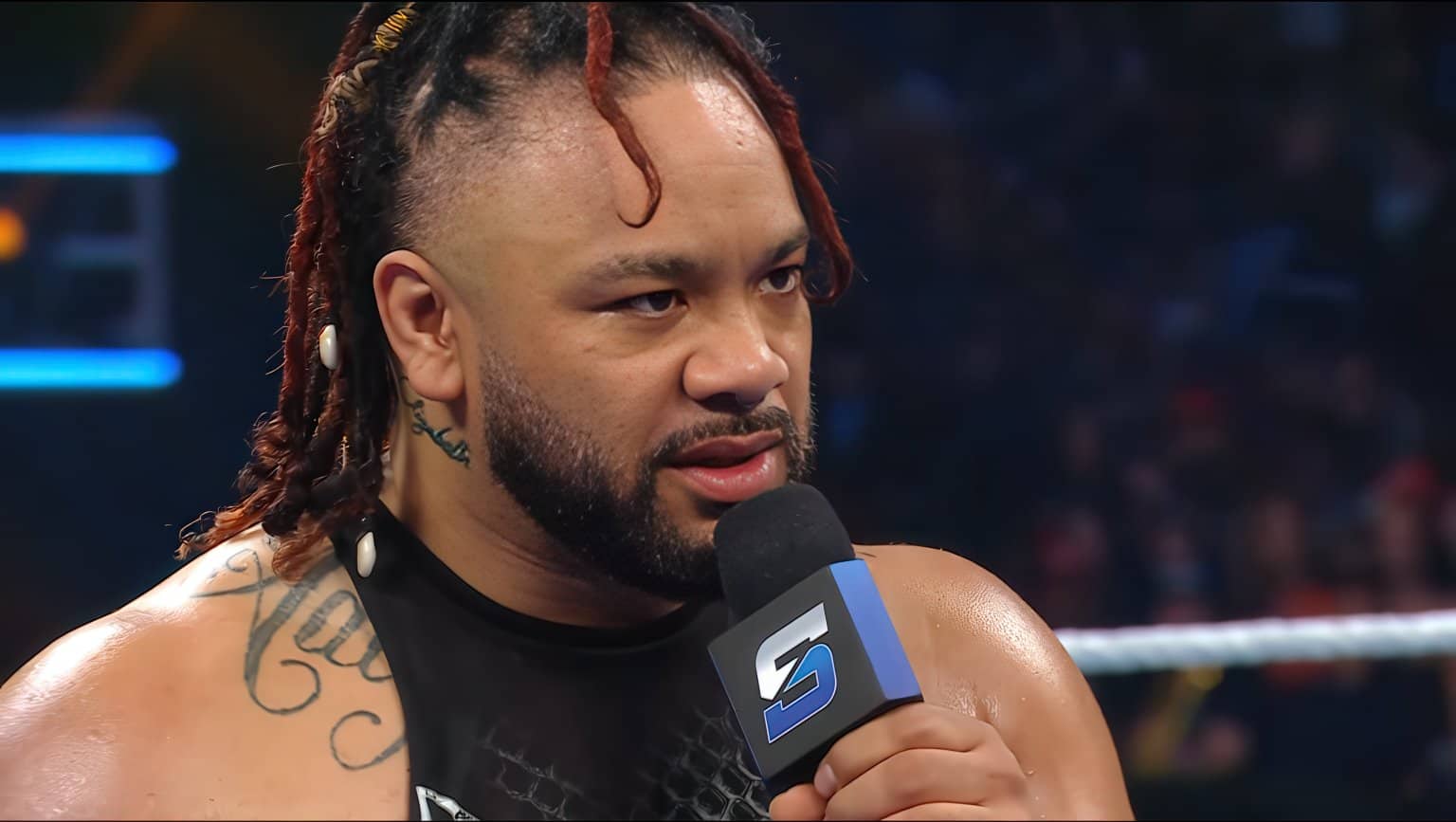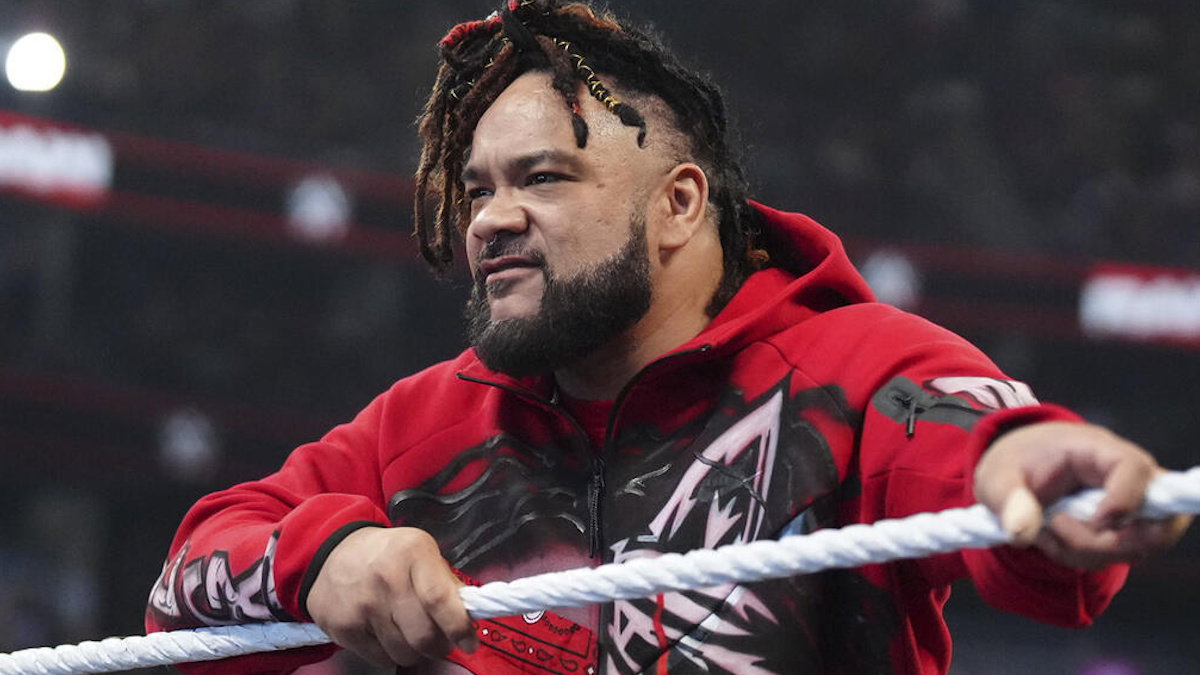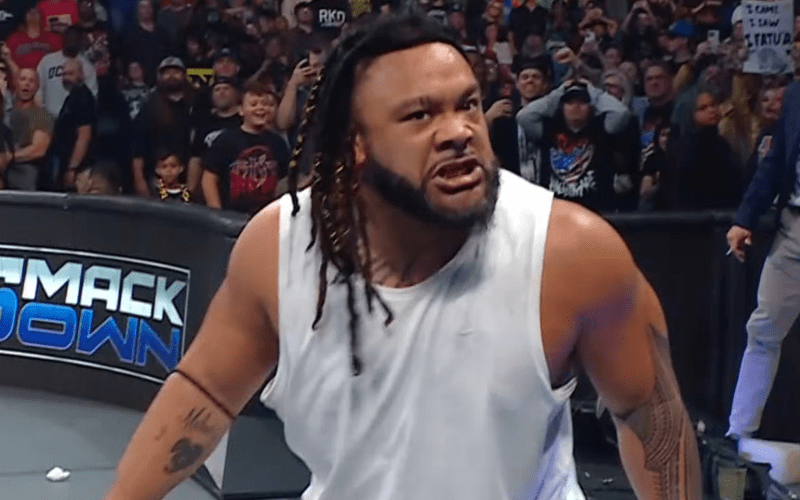
The Corporate Machine vs. The Fatu Legacy
Jacob Fatu is not Caesar Sikoa. That sentence alone should trigger a massive sigh of relief for anyone paying attention to WWE's internal branding habits.
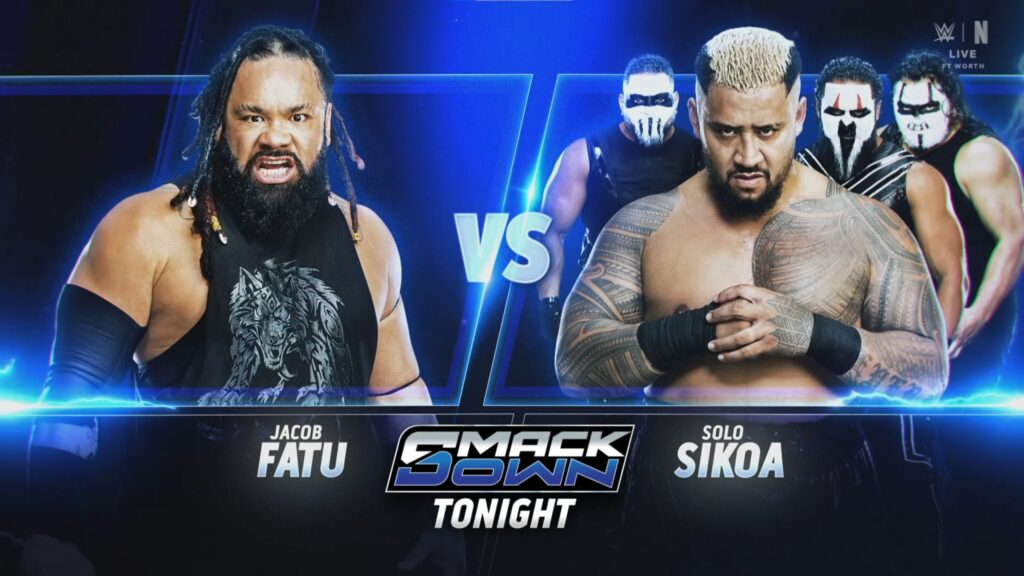
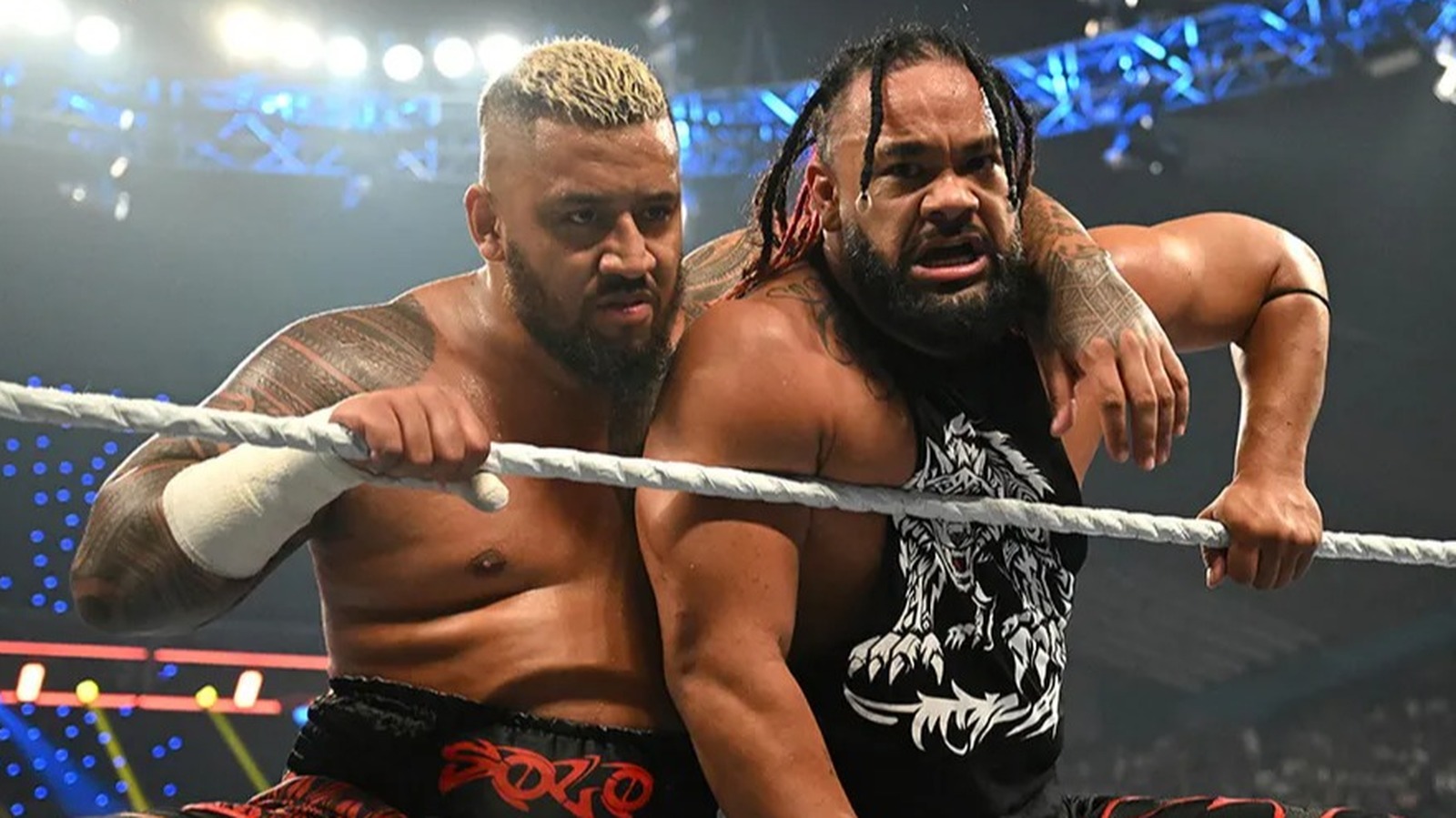
The revelation came directly from Fatu himself. He confirmed recent discussions where WWE creative pitched saddling him with the "Caesar Sikoa" moniker. It was a thinly veiled attempt to hard-link him to Solo Sikoa and the broader Roman Reigns empire. Someone in Stamford actually thought "Caesar" was the logical naming progression for a Bloodline enforcer.
The pitch was rejected. Fatu kept his name.
This goes beyond a simple creative bullet dodged. The original pitch highlights a massive disconnect in how WWE evaluates physical talent and legacy branding. As someone who covers the medical and physical realities of this industry, I see a much bigger issue here. Changing his name would have changed his entire physical presentation.
The Physical Reality of the Fatu Name
To understand why "Caesar Sikoa" would have been a disaster, you have to look at the physical metrics. Fatu does not wrestle like Solo Sikoa. He does not wrestle like Roman Reigns.
He is a 280-pound anomaly. He operates with a damaged, high-impact style that destroys cartilage and shortens careers.
Solo Sikoa is a ground-based striker. He uses the Samoan Spike, a low-impact finisher that preserves his shoulders and knees. Roman Reigns works a methodical, main-event pace heavily reliant on storytelling and explosive, but limited, bursts of offense like the Spear and Superman Punch.
Fatu throws his body off the top rope. He hits moonsaults to the floor. He absorbs brutal bumps that most super-heavyweights are medically advised to avoid.
Naming him "Caesar Sikoa" would have set a stylistic expectation. It would have signaled a ground-and-pound, methodical approach. It would have forced him to slow down and adapt to the Solo Sikoa playbook, fundamentally altering the bio-mechanics that got him to the dance.
A History of Misdiagnosed Talent
We have seen this before. WWE has a long history of looking at a wrestler's physical profile and completely misdiagnosing how they should operate in the ring.
Look at Keith Lee. They looked at his massive frame and told him to work like a traditional big man. They stripped away the agility that made him special. It took a massive physical toll, and his body eventually broke down under the stress of trying to fit a mold that wasn't his.
Fatu keeping his real name is a medical and physical victory. It allows him to dictate his own pace.
When you carry the Fatu name, you are expected to be violent. You are expected to be reckless. Think of Umaga. Edward Fatu worked a brutally physical style that made him one of the most believable monsters in wrestling history. He didn't work like a standard WWE big man. He worked like a Fatu.
Jacob is the physical continuation of that specific legacy. Stripping that away for a cheap Roman Empire pun is creative malpractice.
The Backstage Pushback
Who stepped in to kill the Caesar Sikoa name? Fatu noted that someone made the call to let him continue using his real name. While he didn't name the executive directly, the fingerprints of Paul Levesque are all over this decision.
Levesque understands physical presentation. He knows that when a guy moves like Fatu does, you don't box him into a secondary character role. You let the physicality speak for itself.
But the fact that the pitch even made it to Fatu's ears is a critical flaw in WWE's current system. It shows that there are still people in the creative pipeline who prioritize cheap naming symmetry over authentic physical presentation.
The creative team wanted to spoon-feed the audience. They wanted a billboard that screamed the Solo connection instead of letting Fatu's terrifying in-ring work do the talking.
Evaluating the Bloodline's Physical Toll
This brings us to a larger issue regarding the Bloodline and how WWE manages their bodies.
The faction is currently carrying the main event scene of the entire company. Roman Reigns has worked a highly protected schedule for years. This isn't just a character choice; it is a medical necessity. Reigns has openly discussed his battle with leukemia and the physical maintenance required to stay at the top of the card.
Solo Sikoa is currently carrying the weekly television load. His body is absorbing the brunt of the house show loops and the grueling television tapings.
Adding Fatu to this mix was supposed to alleviate some of that pressure. He was brought in to be the enforcer, the guy who takes the heavy bumps and delivers the high-impact spots so Solo and Roman don't have to.
If they had named him Caesar Sikoa, they would have been subtly instructing him to wrestle like a Sikoa. That means more ground work, more striking, and less of the explosive aerial offense that makes him uniquely dangerous. It would have fundamentally changed his bump card.
The Medical Reality of High-Impact Super-Heavyweights
Let's talk about the knees. Every time Fatu hits a moonsault, the compressive force on his patellar tendons is astronomical.
A standard 200-pound cruiserweight experiences roughly 800 to 1,000 pounds of force upon landing a top-rope maneuver. For a man of Fatu's size, that number spikes dramatically. We are talking about forces exceeding 1,500 pounds per square inch on the joint cartilage.
This is why super-heavyweights who fly often have drastically shorter careers. Bam Bam Bigelow. Vader. Their bodies eventually paid the toll for defying gravity.
Fatu knows this. The medical staff at the Performance Center knows this. His training regimen has to be heavily focused on joint stability and kinetic chain absorption.
When he steps into the ring, he isn't just risking a rolled ankle. He is risking catastrophic ligament failure every time he leaves his feet. We saw a glimpse of this reality when he legitimately injured his foot at SummerSlam, a stark reminder that gravity remains undefeated.
Keeping the Fatu name is a subtle acknowledgment of this risk. It says WWE knows what he does, they know how dangerous it is, and they are going to let him do it anyway.
The Current Physical Assessment
Right now, Fatu is operating without restrictions, but that doesn't mean he is immune to the wear and tear. The expected timeline for a wrestler with his bump card is always a ticking clock. Every match is a calculated withdrawal from his physical bank account.
The medical staff has to monitor his lower body mechanics constantly. When you carry that mass and launch it through the air, the ankles and knees are the first things to go. The cartilage wears down. The micro-tears in the ligaments accumulate.
This is the hidden cost of the Jacob Fatu experience. He is a phenomenal athlete, but biology has strict limits.
WWE's decision to let him keep his real name means they are fully investing in the Fatu style. They are accepting the higher injury risk because the visual payoff is worth it. But make no mistake, they are playing with fire. The more he relies on the aerial arsenal, the higher the probability of another lower-body injury.
Looking Ahead to the Summer
As we move toward the summer of 2026, the WWE main event scene is shifting. WrestleMania 41 is in the rearview mirror. The Bloodline storyline is entering yet another grueling phase.
Fatu is going to be asked to do a lot of heavy lifting. He will be the designated bumper in multi-man matches. He will be the guy taking the table bumps and the weapon shots.
His physical health is going to be the most important unwritten factor in the Bloodline's success over the next six months. If his knees hold up, the faction remains an unstoppable force. If he breaks down under the strain of his own offense, the entire dynamic shifts.
WWE doesn't need a Caesar Sikoa. They need Jacob Fatu, fully healthy, structurally sound, and allowed to be the most violent version of himself.
The creative team dodged a massive bullet. Now, it is entirely up to the medical team to keep him in one piece.