The myth of the final bell
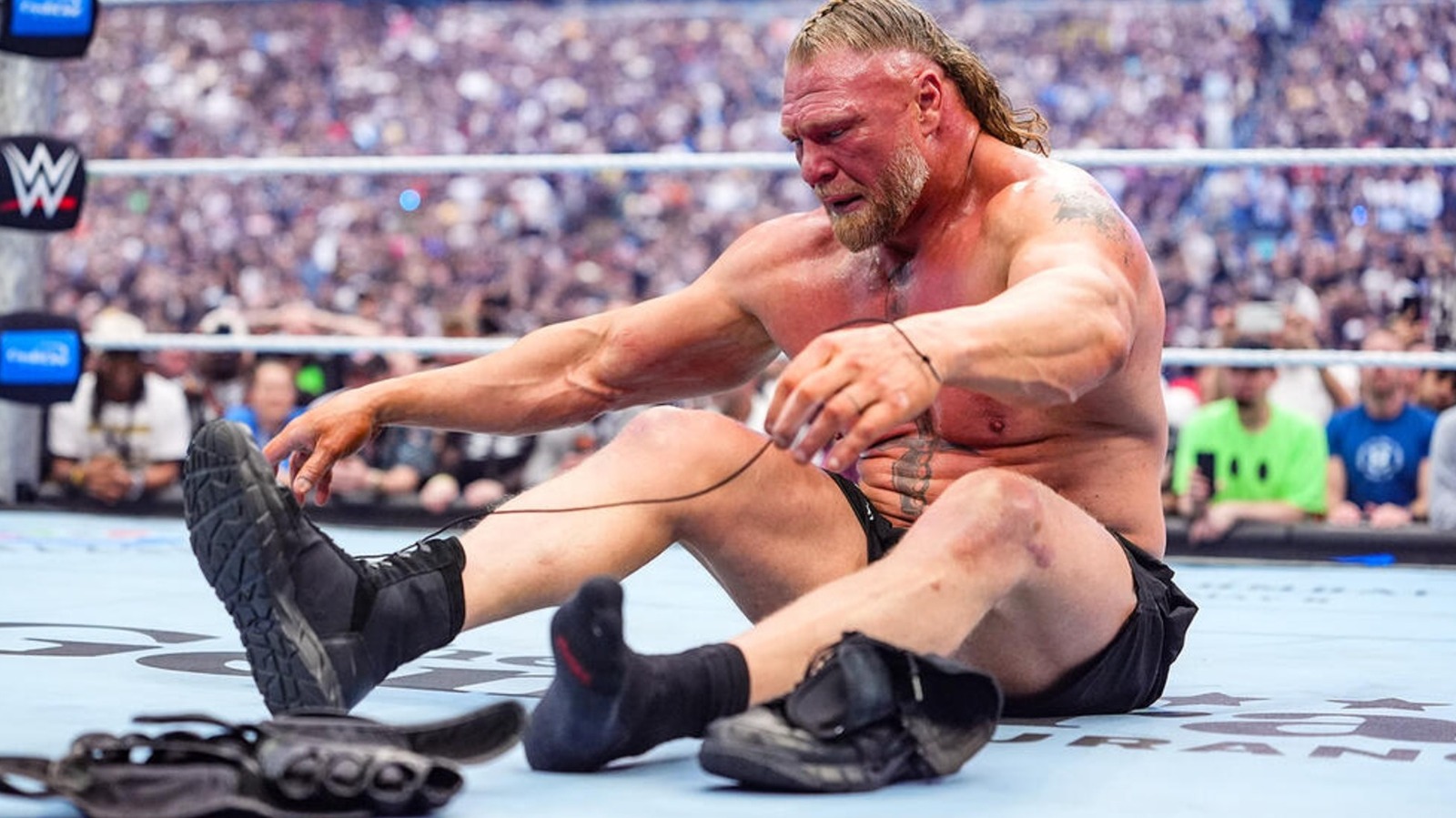
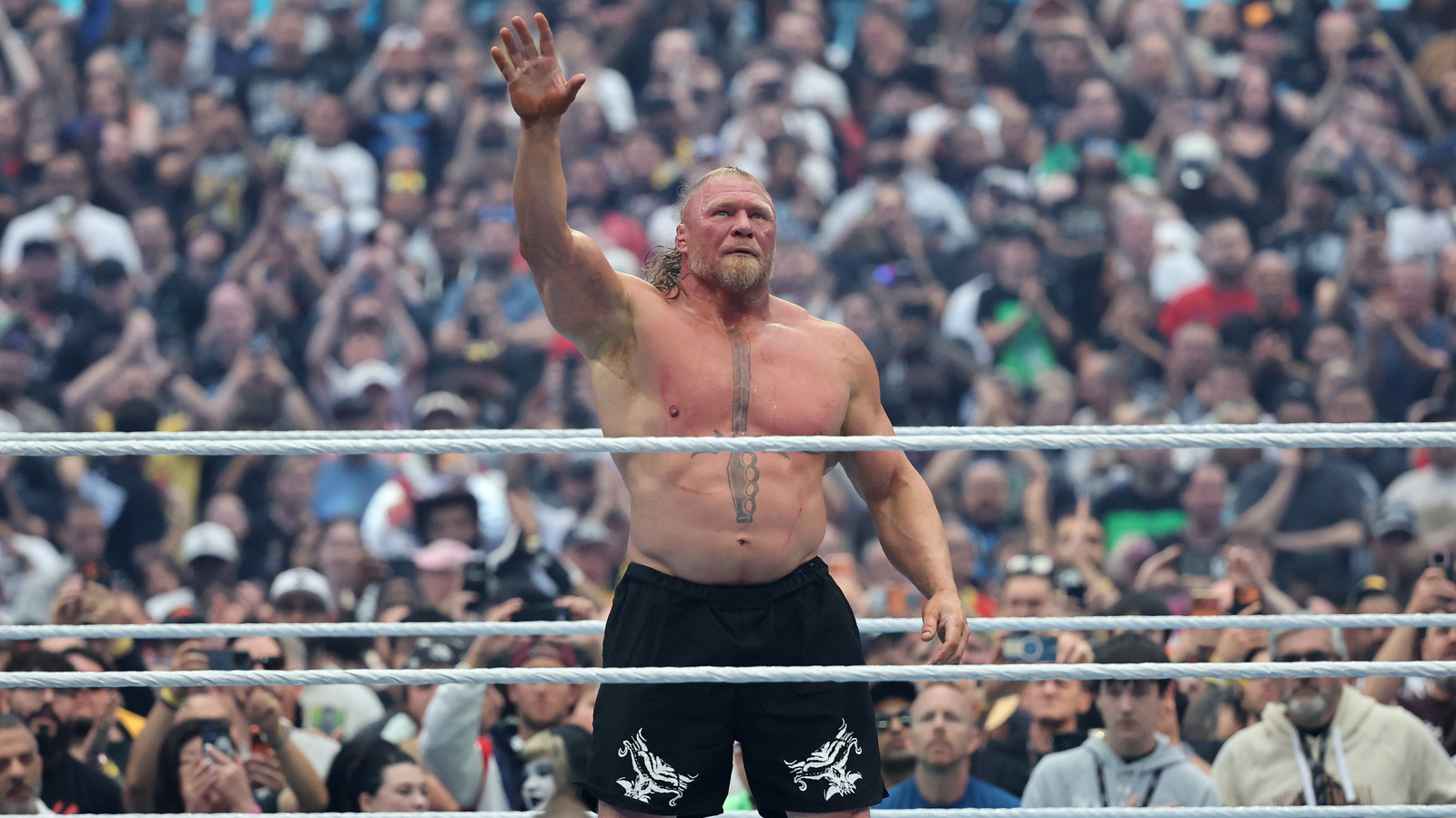
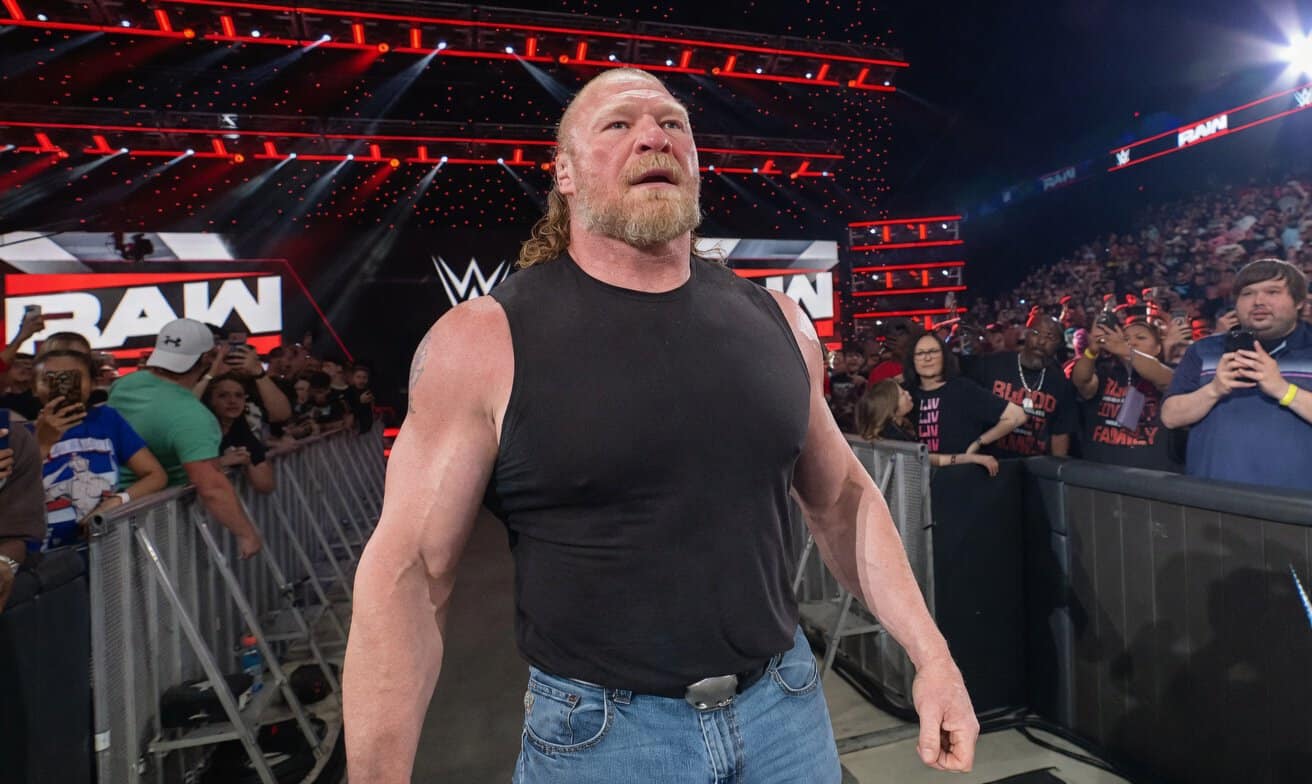
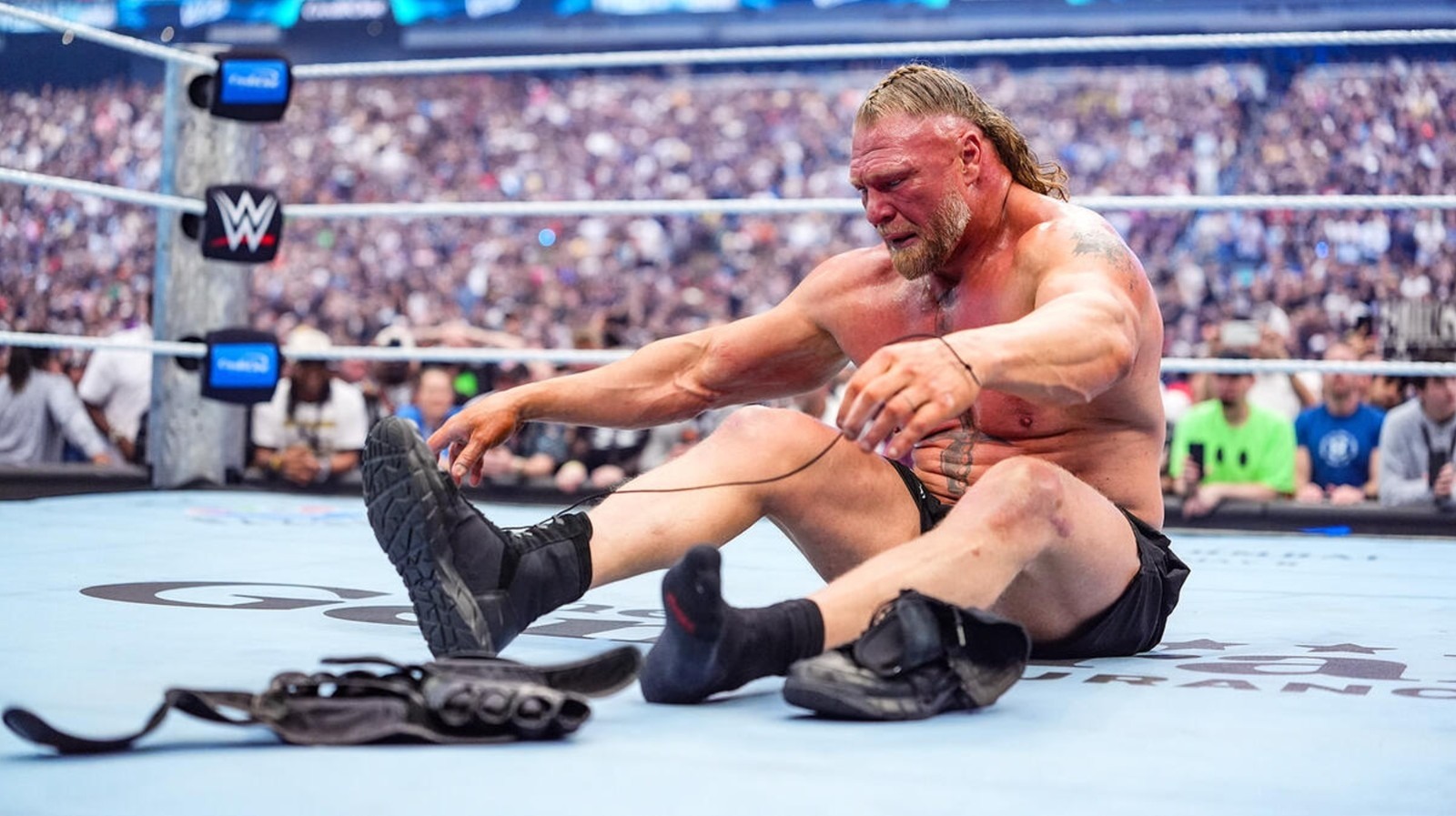
Pro wrestling retirement is a fluid concept. When Brock Lesnar stepped away at WrestleMania 42, the internet rushed to write his eulogy. Bully Ray and Tommy Dreamer have vocalized the skepticism felt by anyone who tracks Lesnar’s historical patterns. They don't buy the retirement narrative, and frankly, the numbers don't support it either.
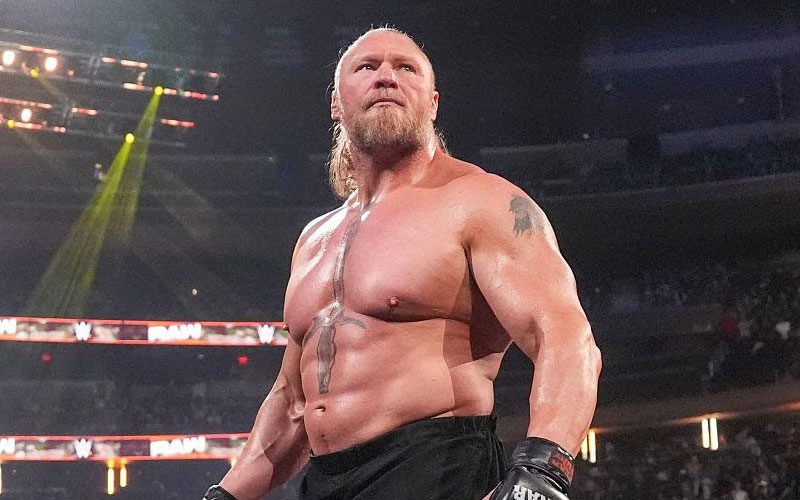
Lesnar functions as a mercenary asset for WWE. Look at his usage since 2020: he isn't a touring worker. He is a high-impact, low-frequency event. His matches are almost exclusively reserved for major stadium shows where the ticket pricing reflects high-end star power. Retirement implies a finality that doesn't fit his current contractual utility to TKO.
The math of the beast
Consider the structure of his recent high-profile spots. Lesnar’s involvement creates immediate spikes in premium live event subscriptions and social media engagement. In the current era of aggressive financial reporting, holding a monster card without an attraction of Lesnar's stature is a missed opportunity. He is not a wrestler clinging to the ring; he is a distinct business unit.
The criticism here lies in the booking predictability. We have seen versions of the silent, retired-then-returning monster before. It numbs the audience when a send-off is treated with a wink and a nod. If WWE wants to keep their top-tier revenue, they rely on these periodic resurrections. It makes the actual retirements of legends less impactful.
Predicting the return timeline
My read on this is simple: watch the 2027 calendar. We are currently sitting in late April 2026, with speculation persisting about whether he is truly gone. The company has a massive void to fill in the heavyweight hierarchy for their next major season loop. Lesnar will return, not for a title run, but for a high-intensity feud that bridges the gap between the established stars and the new guard.
Expect him to resurface during the late summer cycle. He functions best when he acts as a hurdle for a babyface looking to solidify their status. This return won't be about titles; it will be about the spectacle. He remains the most bankable commodity on the roster for a reason.
His return is a logistical certainty, not a creative gamble. When you analyze his output per match against his massive salary cap, the business logic dictates he stays active. He isn't walking away while his drawing power remains statistically superior to the vast majority of the current roster. We are simply in the 'away' phase of a cyclical career.