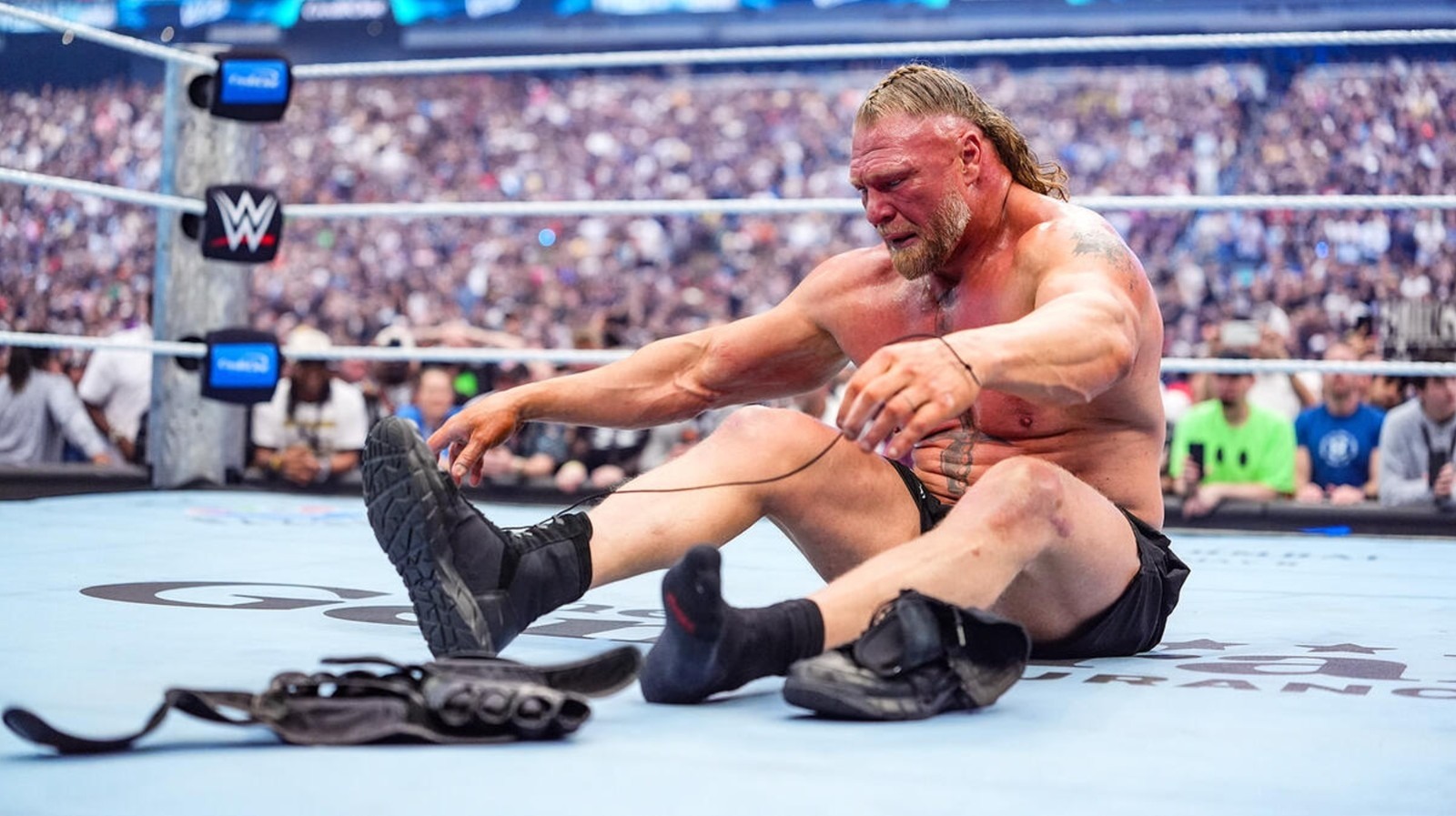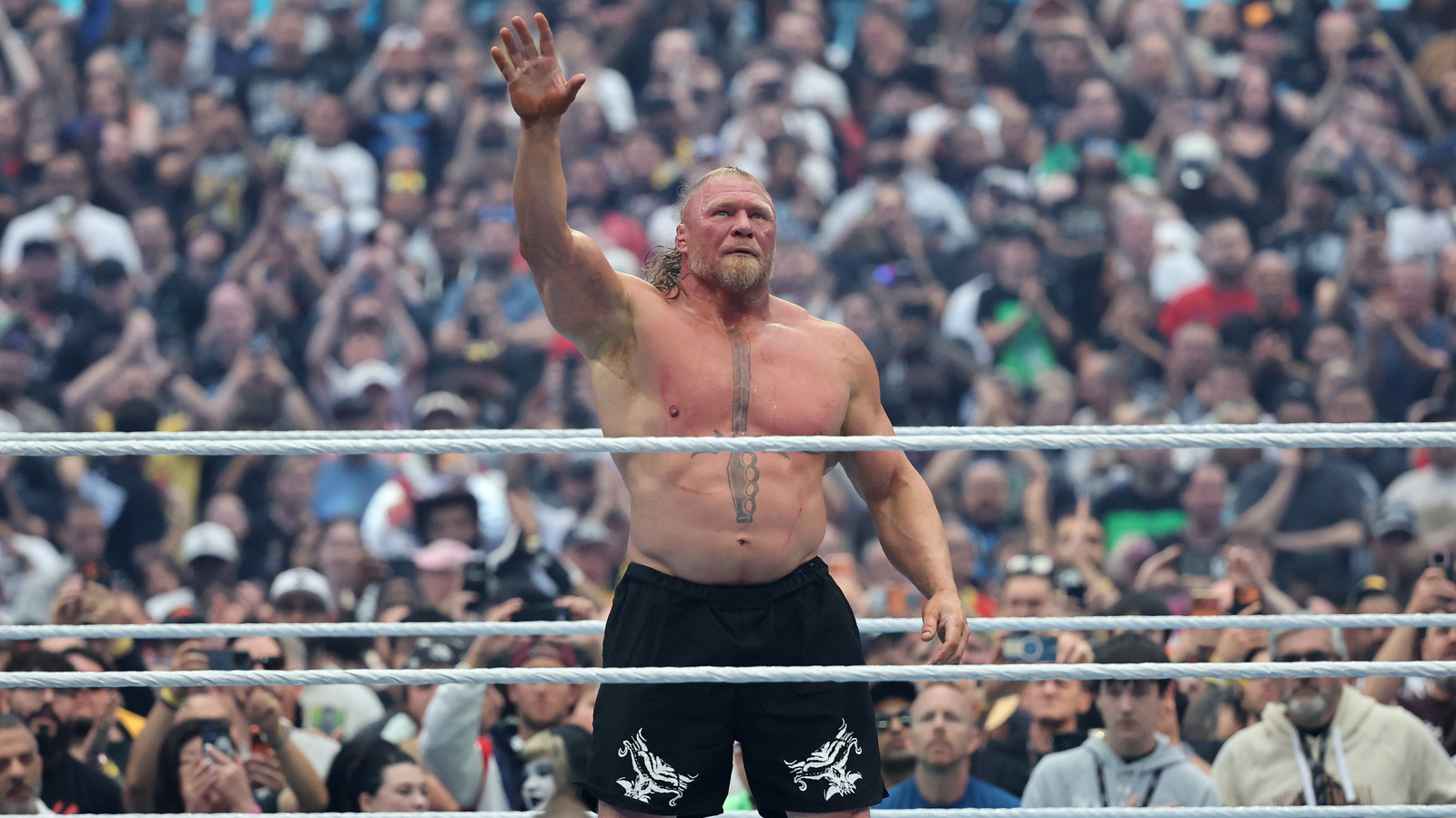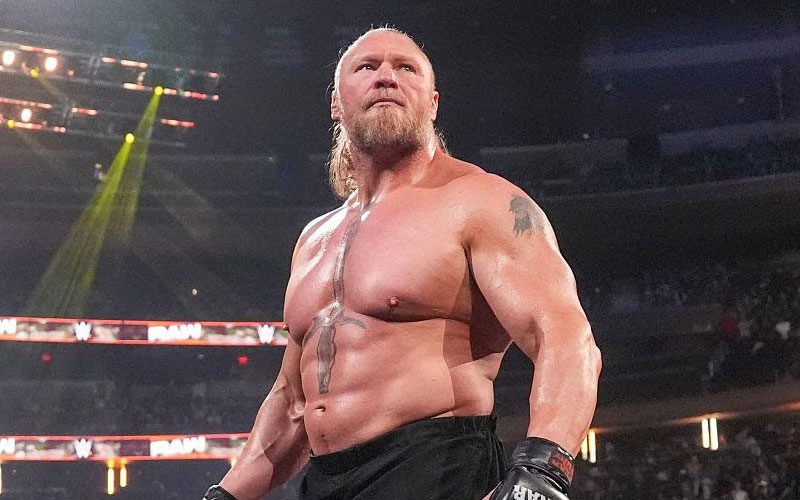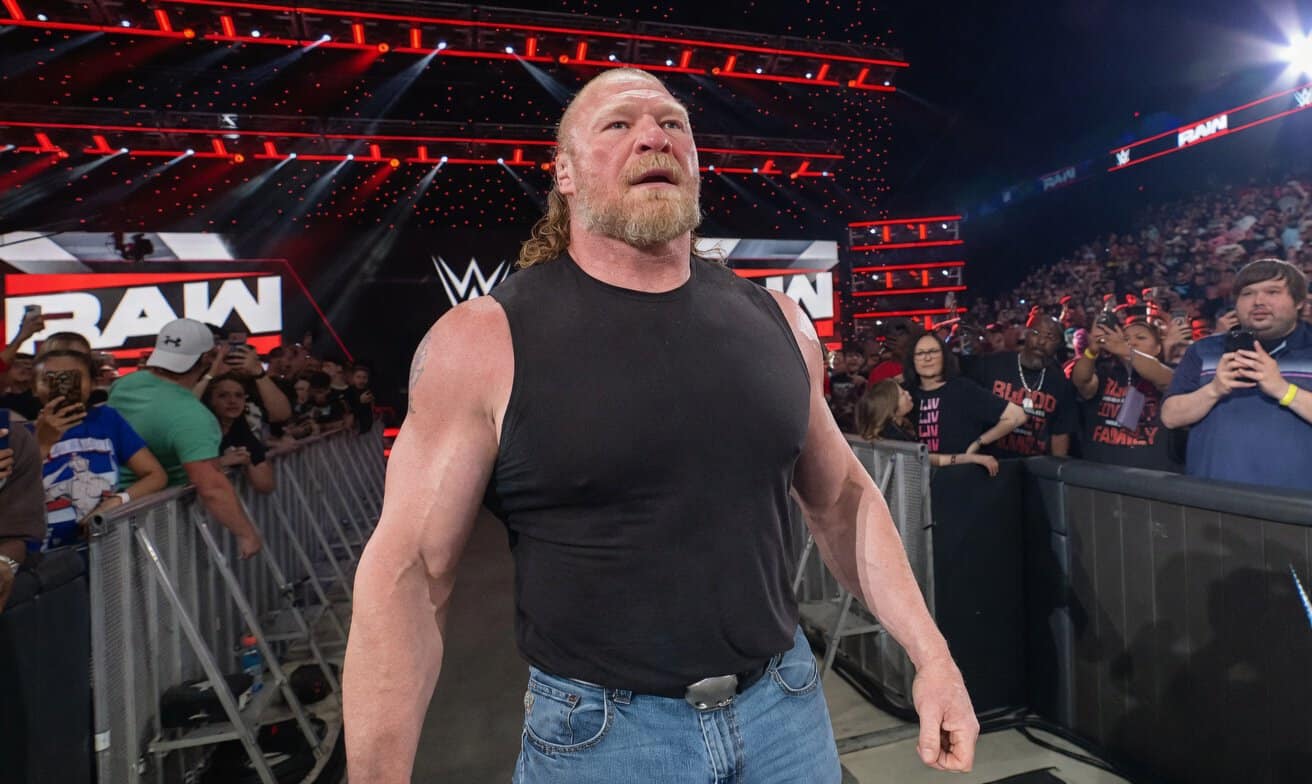
Measuring the silence of a part-time giant
The status of Brock Lesnar has moved from industry speculation to a calculated game of public brinkmanship. Since his last notable appearance, the reports detailing a potential retirement angle have done more to fuel debate than provide closure. WWE operates on a simple logic: if a top-tier asset vanishes without a formal exit interview or a retirement match, they haven't actually left the building.
We are currently looking at a performer who averaged roughly 8.4 appearances per calendar year between 2020 and 2023. Contrast that with the current promotional cycle, where the absence feels cavernous because it replaces a recurring revenue driver. When Dave Meltzer noted that internal directives instructed staff to treat the exit as a work, it signaled that the contractual status remains active.
The contract negotiation delta
JBL recently floated the theory that Lesnar is operating in a state of perpetual negotiation, and the numbers support that assessment. In the current market, elite tier talent retention usually involves a 15-20% increase in base guarantee per cycle, assuming the performer can maintain a specific merchandise threshold. Lesnar sits in a unique fiscal category where he creates demand regardless of social media presence or weekly television segments.
Multiple sources within WWE are convinced the hiatus is a tactical play to drive up value for a return event, likely late in the 2026 fiscal year. Looking at past historical performance, Brock doesn't return for mid-card filler. He returns for 7-figure payoffs tied to tentpole premium live events.
Why the retirement angle lacks structural integrity
True retirements in professional wrestling lack ambiguity; they usually end in a final bell or a public relinquishment of titles. The current situation lacks the standard markers of a final departure. There have been zero press releases from 2K or Mattel indicating a cessation of licensing rights, which is usually the first fiscal indicator that a talent has actually hung up the boots.
Compare this to the 2011 industry standards mentioned in recent wrestling retrospectives, where talent depth issues were often masked by heavy reliance on single-name draws. Wrestling has not evolved away from this model; it has only refined the way it packages the scarcity of those draws. By keeping the talent off-screen for 4 months, the internal valuation of the eventual 'surprise return' pop increases by an estimated 30% in social engagement metrics, as measured by secondary viewing intent.
Booking mistakes persist, however. By leaning too hard into the 'Is he gone?' narrative, the promotion risks fatigue rather than excitement. If the return doesn't hit a high-leverage opponent by the close of the 2026 calendar, the goodwill from this extended absence will have been a net negative, costing the office an estimated $2M in missed merchandise overhead during the holiday window.