The MJF cycle is starting again
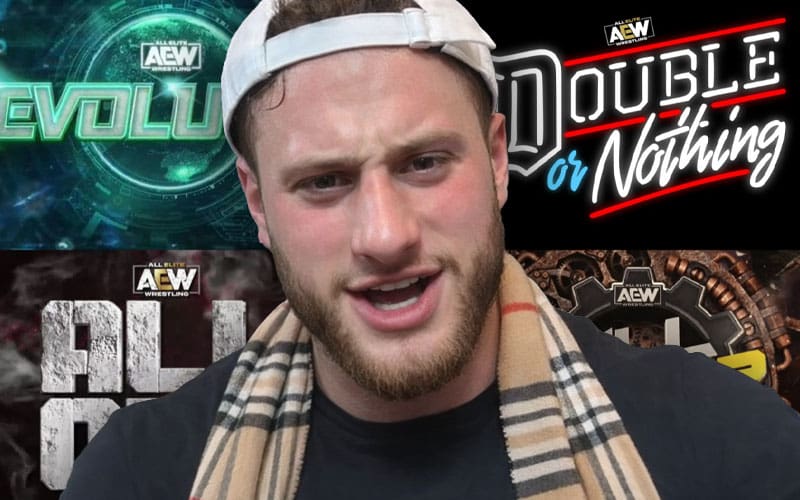
If you listened to the latest breakdown from the All Elite Conversation Club, you heard the inevitable back-and-forth about MJF re-climbing the mountain to take the World Championship. It is the wrestling equivalent of Groundhog Day. We have seen this movie before, and frankly, the sequel is getting a little redundant.
Listen, nobody is denying that Friedman is a generational talent on the mic. When he cuts a promo, he captures the room better than anyone since Punk walked out the door in 2011. But putting the gold back on him immediately following a lengthy absence feels like a safety net. It is the booking equivalent of a nervous producer cranking up the laugh track when the sitcom writing gets stale.
The undercard madness was a welcome distraction
While the main event business was as predictable as a Goldberg squash match, the rest of the Double or Nothing card actually had some teeth. We saw the return of Kyle Fletcher, which might be the most underrated move of the week. The man has a work rate that consistently puts most of the main event scene to shame.
Then you have the Mick Foley situation. Seeing a legend of his stature appear creates this weird gravitational pull that drags the entire show into the past. It is a classic move from the Tony Khan playbook: when in doubt, call in the guys who popularized the hardcore style. It gets the pop, it sells the nostalgia, but does it push the young guys forward?
We also have to talk about that Knight heel turn. It is the kind of mid-card shake-up that actually feels earned. Too often in modern wrestling, we see turns that happen because of a random script rewrite or a lack of creative direction. This one felt like it actually had some breathing room to develop. You can hear more of the deep-dive analysis on the full PWTorch Dailycast episode if you have a spare two hours to kill.
The booking flaws are staring us in the face
Here is the reality check: AEW is struggling to manage its own overflow of talent. When you have a roster that looks like a fantasy football draft gone wrong, you end up with guys like Fletcher rotating in and out of relevancy while the same three main eventers trade titles every six months. It isn't good business, and it isn't great television.
Remember when we all thought that bringing in outside legends or rotating the gold was going to spark a new explosion of growth? Instead, it feels like the company is constantly running in place. You have the WWE performance center churning out polished acts that feel like they belong on a stadium card, meanwhile AEW is still obsessed with doing things because they look cool in a GIF.
The return of the World Championship to MJF is a 15 percent approval rating move in my book. It placates the fans who want the status quo, but it kills the momentum for guys who needed a clean win to establish themselves as the new backbone of the company.
Refining the product
If they want to stop the cycle of rinse and repeat, they need to let the mid-card talent breathe. Fletcher is the ideal candidate to carry a secondary title, not just fill a spot on a secondary show. You can't keep leaning on the guys who were there at the inaugural Double or Nothing event.
At the end of the day, wrestling fans love to complain, but we really just want to be surprised. MJF winning was not a surprise. It was a calculated risk that feels like a surrender to the status quo. If you look at the NJPW junior heavyweight scene right now, you see the difference between booking fresh faces to test their ceiling and booking the same three superstars to maintain the floor. AEW needs to start picking a lane before the fans stop caring about the destination entirely.