Measuring the MJF legacy
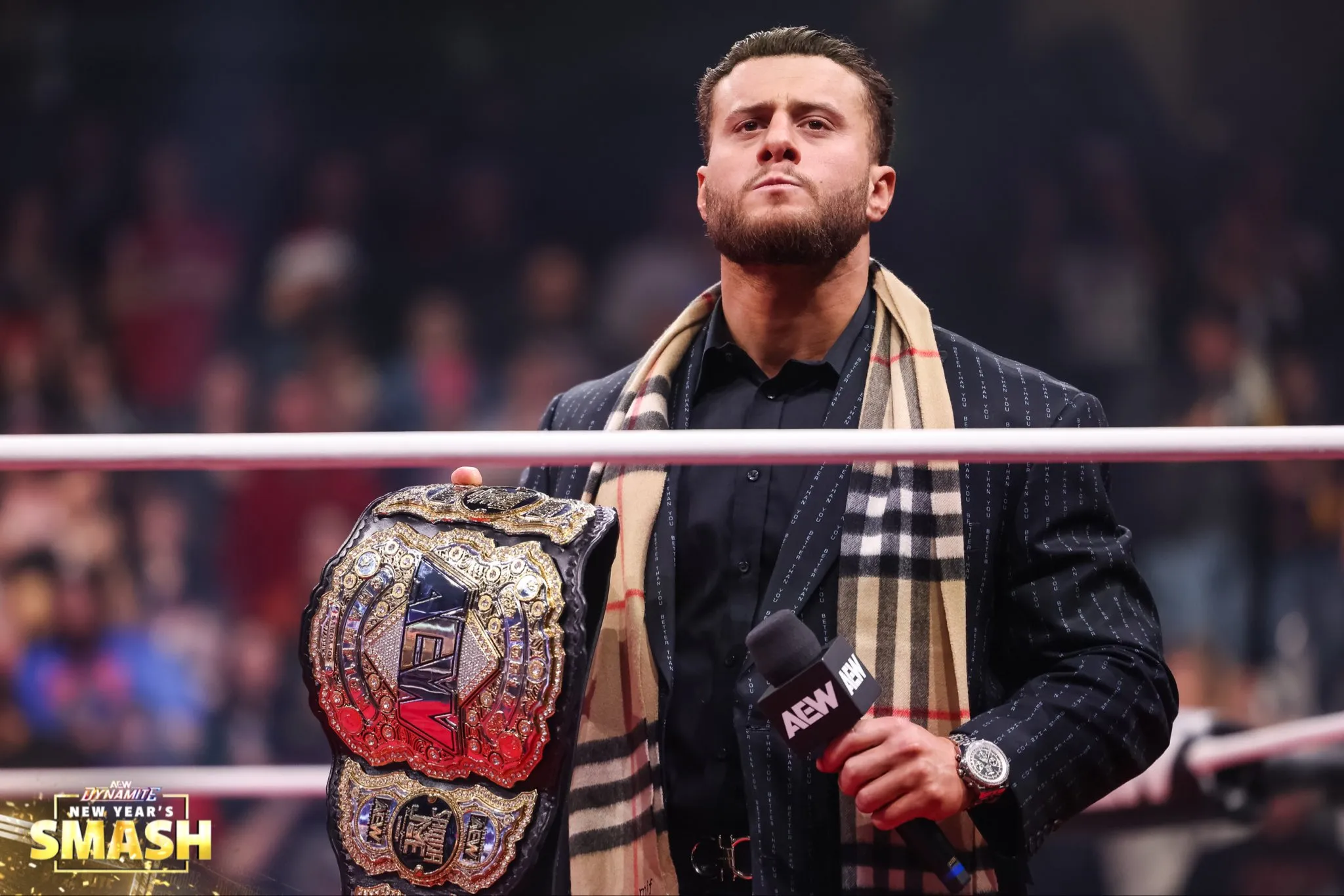
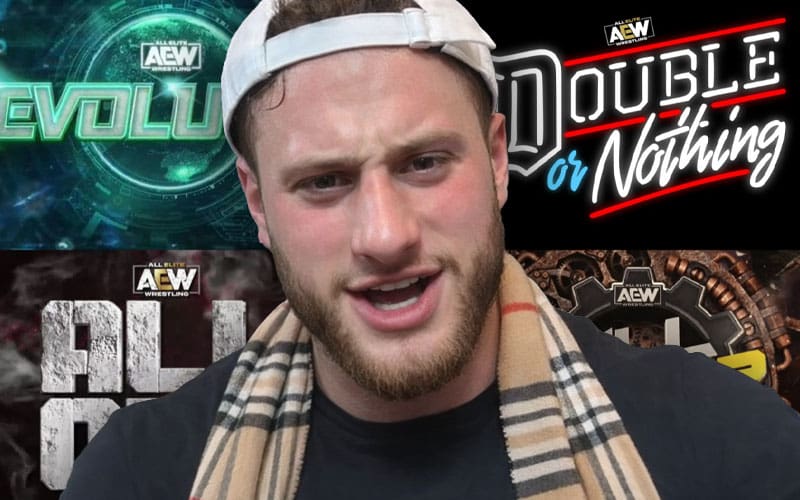
Maxwell Jacob Friedman recently went on the record via the LNG Productions podcast, claiming AEW possesses the most impressive catalog of pay-per-view events in professional wrestling history. It is a loud sentiment, typical of his character, but it ignores the long-term historical context of the industry. Having a library of high-work-rate matches since 2019 is impressive, but volume does not equate to the cultural weight of 40 years of territory history or the global reach of the WWE network archives.
The data suggests that while top-end work rate remains consistent in AEW, their recent PPV pacing has suffered from bloat. Take the Revolution event earlier this year. We saw high-impact sequences and elite athleticism, yet the runtime pushed past four hours. When you look at the 25-minute main events, the fatigue in the crowd is visible by the time the final bell rings. This isn't just about the quality of the wrestling; it is about the structural integrity of the card.
The Double or Nothing test
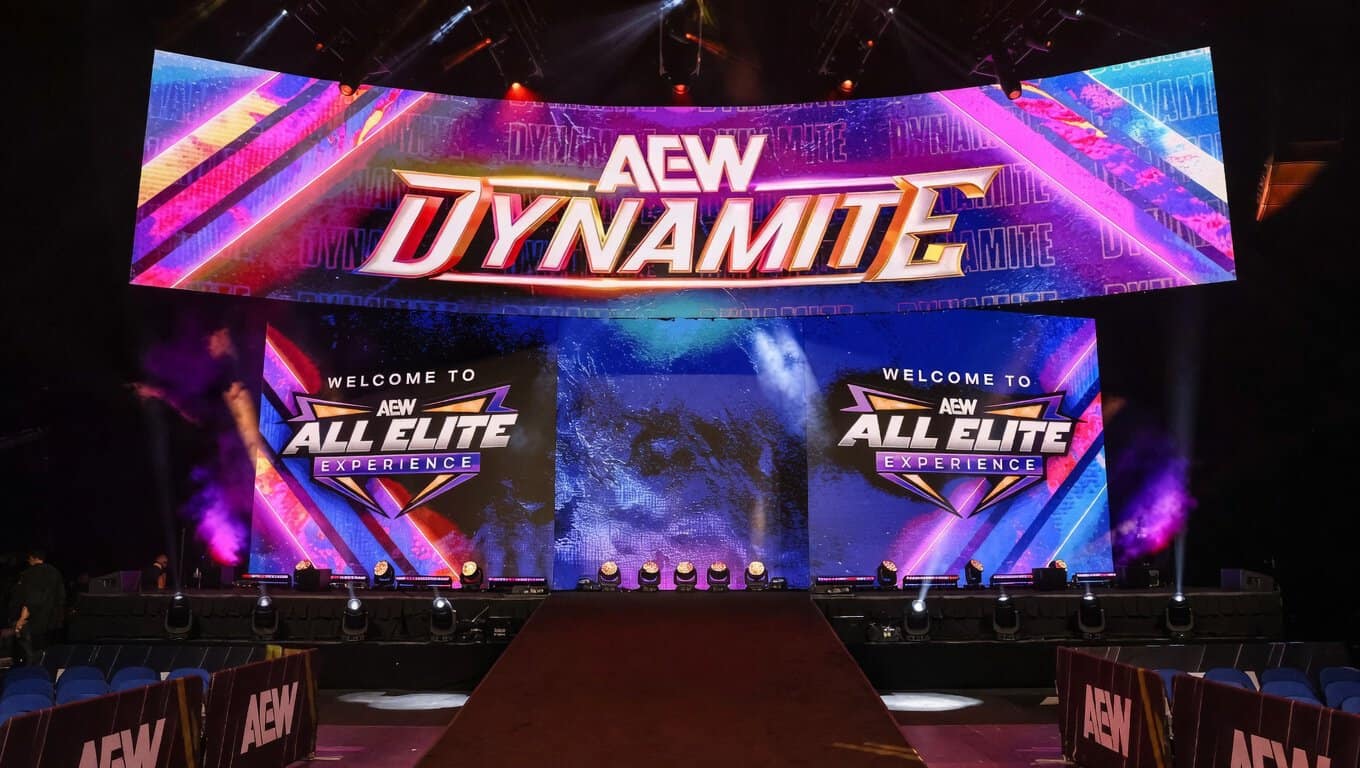
As we look forward to AEW Double or Nothing 2026 on May 24, the promotion is at a critical juncture. The booking team has relied heavily on multi-man matches to stack the card, which inflates the star power but diminishes the stakes of individual feuds. If every champion defends a title on the undercard, the main event struggle often fails to feel like the true peak of the evening.
My prediction for May 24 is that we will see a shift toward shorter, more focused storytelling. AEW fans want a crisp product rather than a marathon. If they push for a sub-three-hour runtime, they can actually justify the 'best catalog' argument MJF is throwing around. Currently, they are sitting at a 0.68 ratio of high-quality matches to total event runtime, a drop from their 2021 peak.
Crucial flaws in the booking
The biggest issue I have tracked during this cycle is the lack of coherent direction for the mid-card titles. We see competitors trading wins in tag team matches every Wednesday, only to reach the PPV with zero genuine animosity. This booking trend makes the championship bouts feel like exhibitions rather than high-stakes confrontations. In the ring, the athleticism is undeniable, but the psychology is often missing at the 15-minute mark.
When a company relies on 'dream matches' to sell tickets, they eventually run out of fresh matchups. I predict that the May 24 show will have a high technical rating but suffer from a lukewarm crowd reaction for at least two of the secondary title matches. Unless there is a surprise return or a significant character turn, the event will be viewed as a technical success but an emotional plateau. MJF’s claim to the throne needs more than just five-star ratings; it needs a narrative arc that doesn't feel like a string of independent shows stitched together.