The Booking Crutch
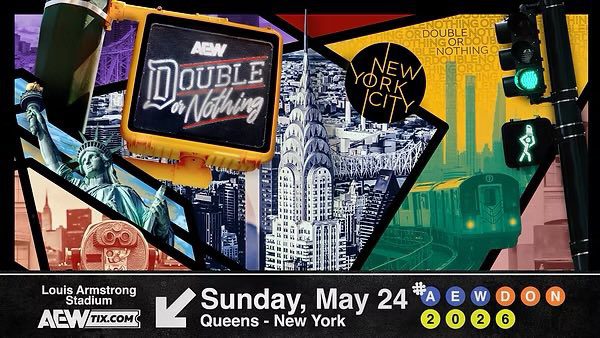
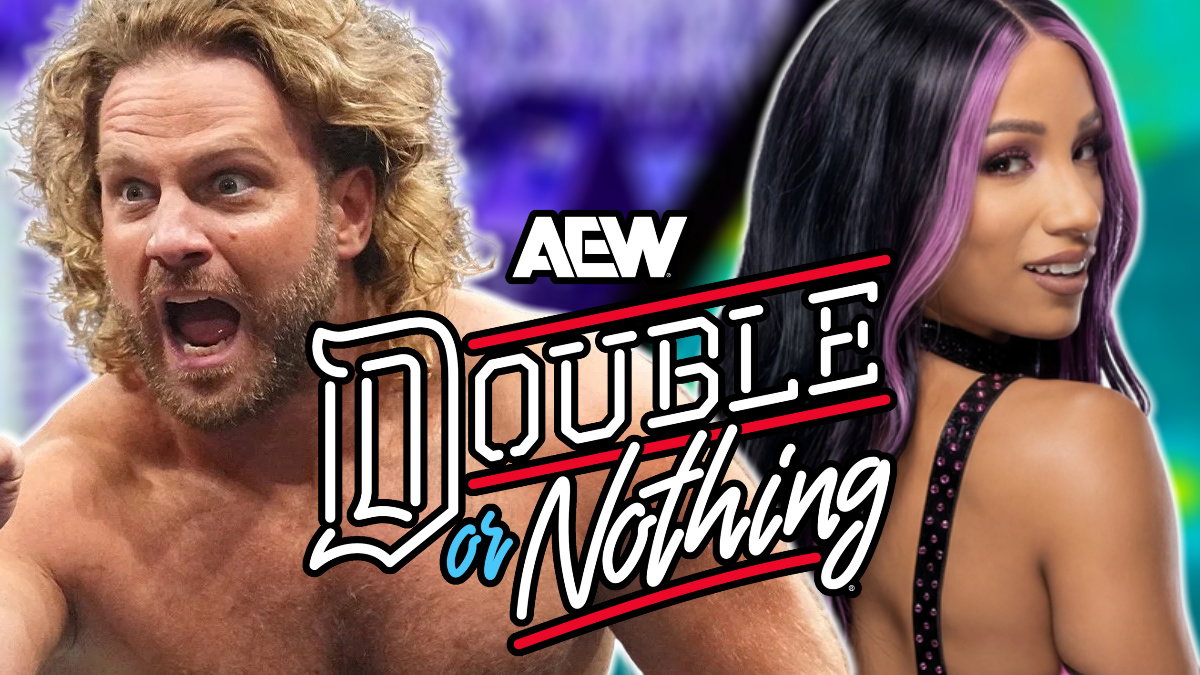
Double or Nothing arrives in four days at Louis Armstrong Stadium in New York City. The promotion has leaned heavily into the allure of unannounced appearances, turning the anticipation of a roster jolt into a primary storytelling device. WrestleTalk recently outlined eight potential arrivals, yet this trend screams of a promotion masking deeper issues of roster stagnation.
When a company consistently uses the adrenaline of a fan-favorite return to paper over gaps in long-term booking, the equity of that "pop" depreciates. We have seen this cycle repeat across recent pay-per-views. It creates an environment where viewers spend more time scanning the entry ramp for surprise entrants than investing in the athletes currently on the card.
Missing the Structural Mark
This reliance on external talent shifts the focus away from the home-grown stars who should be carrying the weight during major shows. Relying on guests to spark interest is a temporary fix that fails to address the underlying narrative drift. AEW needs to prove that their existing roster possesses the depth to command a stadium audience without the 15-minute segment dedicated to an unexpected return.
The current booking pattern feels reactive rather than intentional. While the visual spectacle of a surprise keeps the social media algorithms humming, it creates a messy structure where feuds are often rushed to accommodate the immediate, short-term excitement of a new face. As noted in previous analysis, the addiction to the return pop has become a crutch that prevents more consistent character development.
The Stakes for Sunday
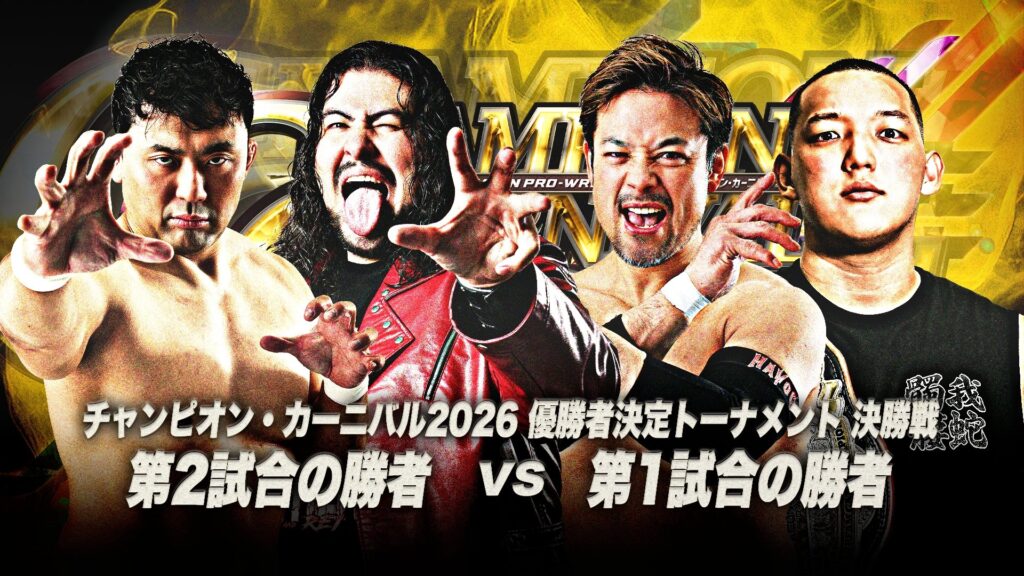
The talent coming out of the tournament season—look at the recent Champion Carnival results in All Japan as a benchmark for how to build prestige through consistent, tournament-led wrestling—suggests there is a path forward built on match quality rather than parlor tricks. Double or Nothing requires a pivot toward that discipline.
Predicting the outcome of this card is difficult because the creative direction frequently shifts to account for these late-stage, unbooked talent pivots. I expect the tag team title matches to provide the technical high-water mark for the event, likely clocking in around the 22-minute mark if given proper time for layering reversals and near-falls. If they rely on the surprise returns to close the show, however, the audience may realize that the company is spinning its wheels.
Final Call
My prediction for Sunday is that the product will feel disjointed. Without a firm commitment to the established stars, the spectacle will falter. I expect the main event to hover around a 3.75-star rating, hampered by an over-reliance on interference or surprise spots instead of a clean, decisive finish. AEW has the roster to deliver a masterpiece, but they seem more interested in the immediate, hollow reaction of the crowd.
Read Next
- AEW Double or Nothing brings high stakes to the desert
- AEW heading into Double or Nothing under a cloud of injury concerns
- Why MJF is the only reason to watch Double or Nothing this weekend
- AEW is addicted to the return pop but Sunday needs to deliver
- 🎲 AEW Double or Nothing 2026 — Full Coverage Hub