The Mecca Returns to Prime Time
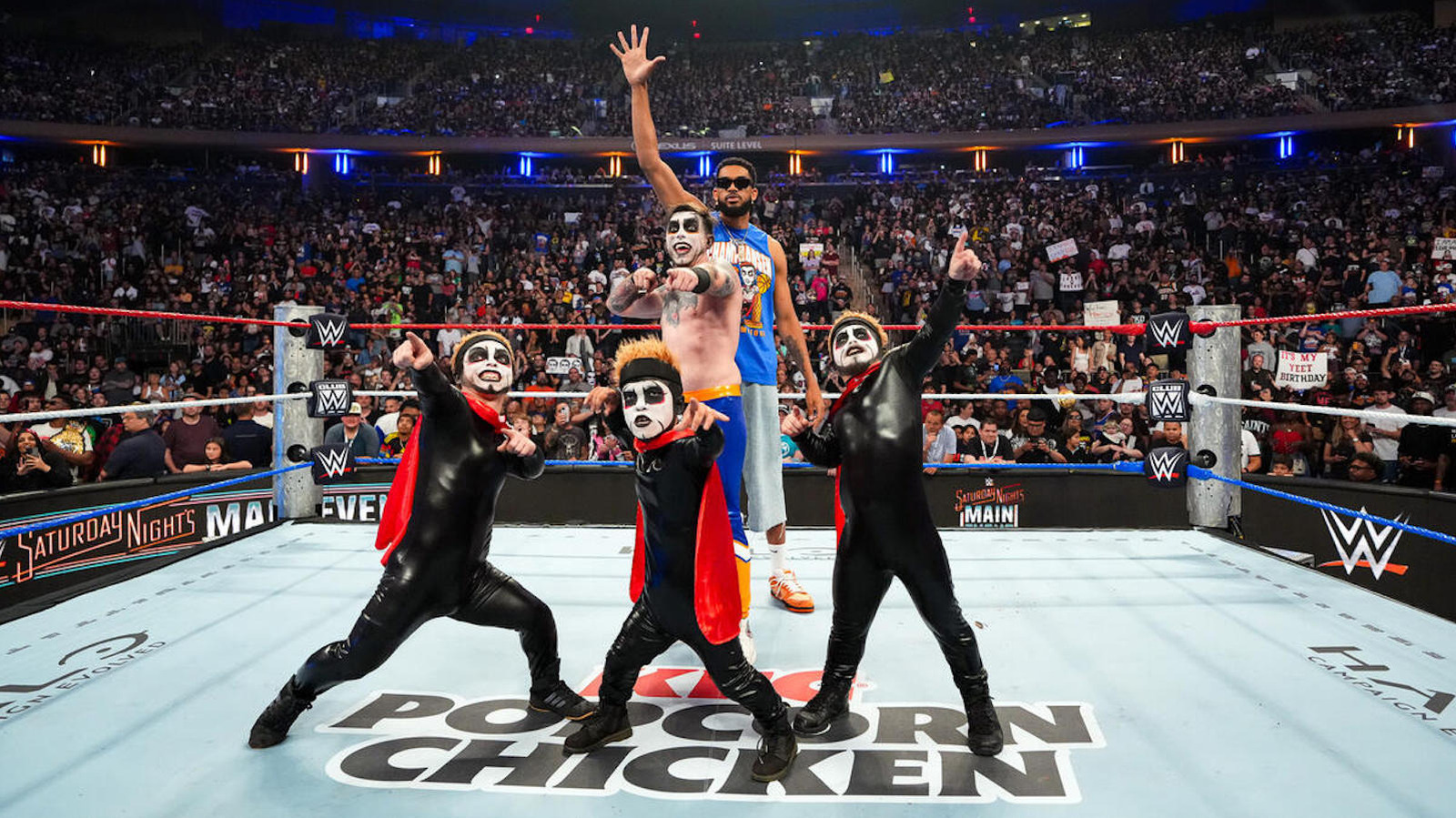
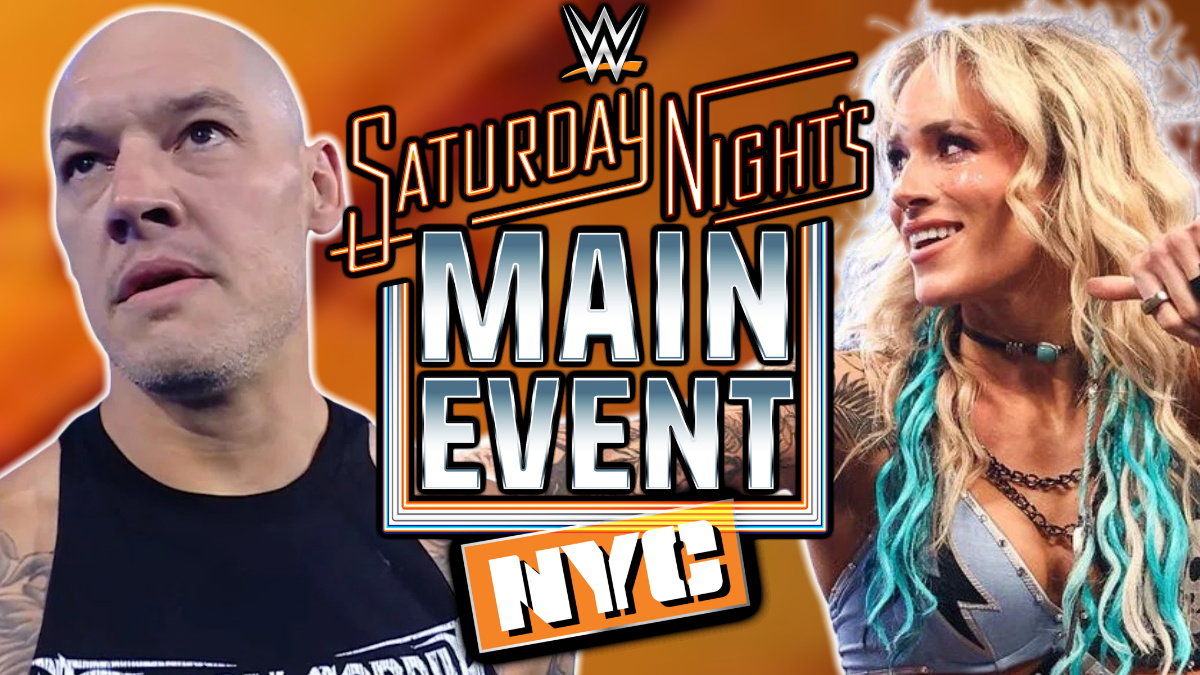
WWE is bringing Saturday Night’s Main Event to Madison Square Garden this summer. The initial reports suggest this will be the third SNME date of the year. This is a deliberate escalation. You do not book MSG for a B-show.
The Garden is expensive. The union fees, the logistical nightmares of loading a broadcast set into midtown Manhattan, the premium on every single seat. It changes the math of a wrestling broadcast. When WWE runs a live televised show from this building, they are making a statement of intent.
But the venue also brings a unique pressure. The MSG crowd does not accept filler. They will hijack a segment if they sense hesitation or lazy booking. If WWE treats this summer special like a supersized episode of Main Event, it will backfire spectacularly.
The Nostalgia Trap
There is a temptation to load these retro-branded shows with legends. We saw Mick Foley make a surprise appearance at OVW Rise this week, pulling out Mr. Socko for the main event finish. It works beautifully in that environment.
An intimate room, a young roster, a genuine surprise. It pops the crowd and gives the talent a rub. WWE cannot rely on that same trick for SNME at the Garden. Trotting out a Hall of Famer for a five-minute promo segment to kill time between matches will die a quiet death in front of a New York audience.
This is where the recent booking philosophy shows a glaring flaw. The previous SNME installments leaned heavily on aesthetics over substance. They built the neon set, they used the old graphics, but the matches themselves existed in a vacuum. A title defense where everyone knows the champion is retaining at 9:45 PM is a waste of a television slot.
Booking the Garden
So how do you structure this card? You have to book it like a premium live event. You need a hook that alters the trajectory of the summer storylines leading into SummerSlam.
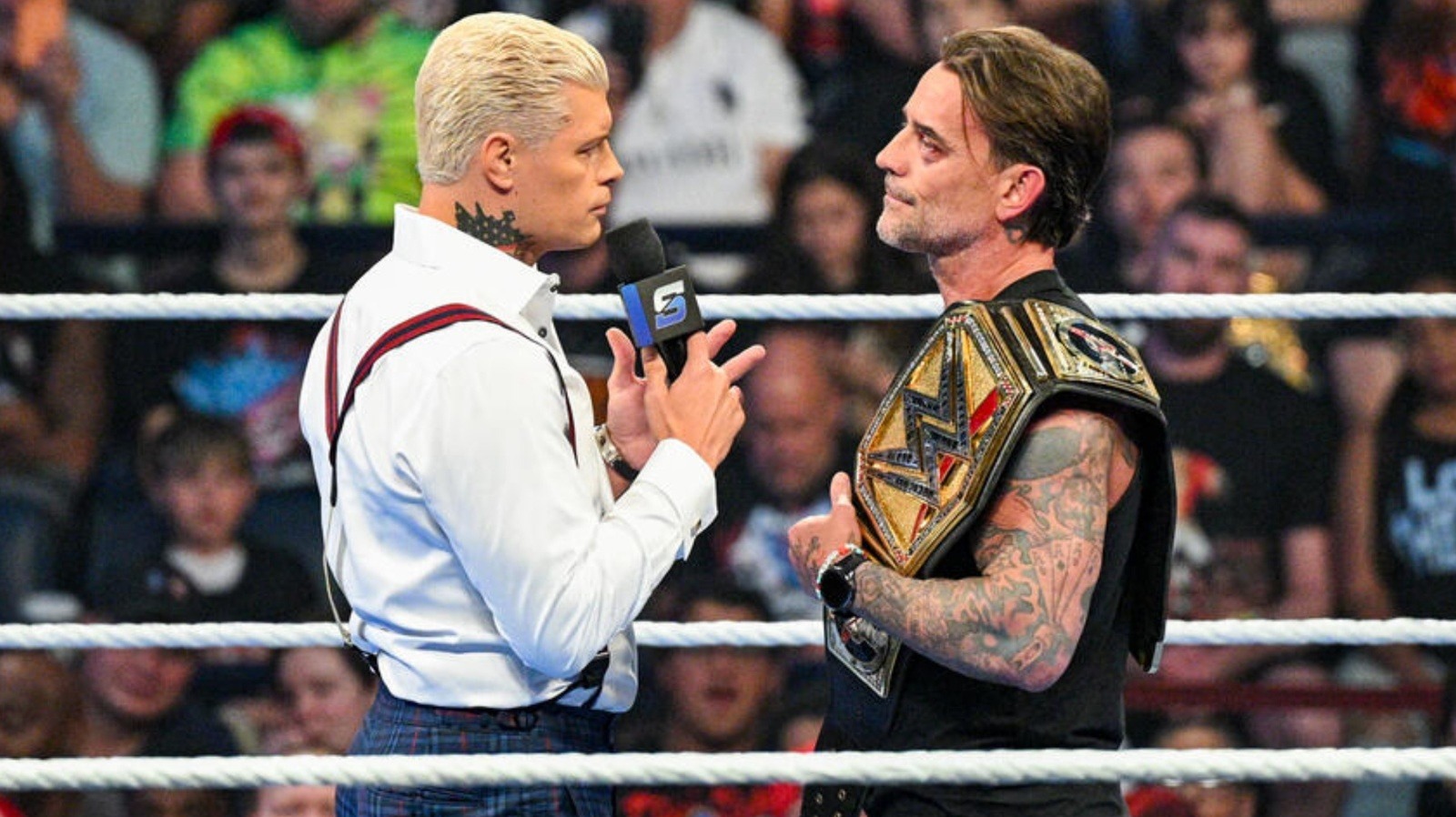
Consider the top of the card right now. Cody Rhodes is defending the WWE Championship at WrestleMania 41 in a few weeks. Whoever walks out of Allegiant Stadium with the belt needs a marquee challenger for the summer.
MSG is the perfect place to run a number one contender's match. Put two top-tier workers in the ring for thirty minutes and let them tear the house down. You also need a gritty, violent midcard feud to anchor the second hour.
The New York crowd loves a brawl. A sanitized, highly choreographed spot-fest will get polite applause. Two guys beating the absolute hell out of each other on the floor will get a standing ovation. WWE needs to loosen the reins and let the talent work snug.
The Anatomy of an MSG Main Event
A great Madison Square Garden main event requires a distinct rhythm. You cannot sprint from the opening bell. The crowd wants to simmer before they boil. Look at the classic Bret Hart matches in this building.
He would spend the first ten minutes methodically working a body part, establishing a psychological baseline. The audience bought in because the work was logical. Modern WWE main events often skip this step. They rely on high-impact moves early to pop the television rating.
In a standard arena, this works. At MSG, it feels cheap. The New York fans understand the mechanics of professional wrestling better than almost any other market. They recognize when a match is being rushed for a commercial break.
Whoever headlines this SNME needs the authority to call the match in the ring. They cannot rely on a heavily scripted layout from an agent in the back. If the crowd is turning on a sequence, the workers need the freedom to audible.
This is where veterans earn their money. You have to feel the room. If the audience decides to back the heel, the babyface must immediately pivot and embrace the hostility. Forcing the intended narrative onto a rebellious MSG crowd is a recipe for disaster.
The Aesthetic Disconnect
There is an inherent friction in reviving the Saturday Night’s Main Event branding. The original iteration was built on cartoonish excess. The promos were screamed at the camera by men painted in primary colors. The in-ring action was secondary to the spectacle of larger-than-life characters bleeding on network television.
Modern WWE is a completely different product. It is a highly polished, heavily choreographed athletic exhibition. Trying to graft the neon-soaked aesthetic of the 1980s onto the current roster creates a jarring viewing experience. You cannot put a modern, workrate-heavy match in front of retro graphics and expect it to feel cohesive.
The company needs to pick a lane for this MSG show. Either commit fully to the retro presentation—which means altering the match layouts to reflect a more brawling, character-driven style—or drop the nostalgia act entirely. Presenting a standard 2026 Raw with a different logo slapped on the ring apron is creatively bankrupt.
The MSG audience will spot the inauthenticity immediately. They do not want to watch cosplayers. They want a premium wrestling event that respects their time and their intelligence.
The Production Problem
Let’s talk about the broadcast presentation. Kevin Dunn is gone, but some of his stylistic tics remain in the production truck. The constant camera cuts are infuriating. During the last SNME, a simple suicide dive was fractured into three different angles.
At MSG, the building is the co-star. The hard camera needs to pull back and capture the scale of the arena. When a wrestler makes their entrance, the director needs to hold the wide shot. Let the viewer feel the size of the crowd.
The current obsession with tight framing on the wrestler's face removes all context from the moment. Furthermore, the audio mix in the Garden is notoriously tricky. The roof is suspended, which creates a distinct acoustic environment.
The crowd noise rolls over the ring like a wave. WWE needs to mic the crowd aggressively. Do not pipe in generic reactions. If the crowd boos a babyface, let it ride. The friction makes the product feel authentic.
Form Guide and Roster Dynamics
Looking at the current form of the roster, a few names jump out as essential for this card. Gunther is operating at an absurd level right now. His matches are masterclasses in pacing and escalation.
He thrives in environments where the crowd appreciates violence. He should be the anchor of the broadcast. On the women's side, Rhea Ripley is the biggest star they have.
Her presentation translates perfectly to a massive stadium or a historic arena. She needs a featured singles match, ideally against someone who can bump heavily and make her offense look devastating.
The tag team division, however, is a mess. It has been treated as an afterthought for months. Throwing a random four-way tag match on the card to get bodies on television is exactly the brand of lazy booking that MSG crowds despise.
The art of tag team wrestling—the blind tags, the isolation of the babyface, the hot tag—is completely lost in these chaotic multi-team car crashes. If they feature the tag titles, it needs to be a traditional two-on-two match with a strict adherence to the rules.
Let the referee actually enforce the five-count. It builds tension. The current chaotic style completely negates the dramatic structure of a tag match.
The contrast with the independent scene is striking. Foley’s appearance at OVW Rise worked because it was organic. He showed up, delivered the Mandible Claw with Mr. Socko, and gave the fans a memory they will keep forever.
The element of surprise is something WWE struggles to manufacture. Everything feels focus-grouped and heavily promoted weeks in advance. If WWE wants this SNME to feel special, they need to leave something off the run sheet.
They need an unannounced return or an angle that legitimately catches the audience off guard.
The Verdict and Prediction
Bringing Saturday Night’s Main Event to Madison Square Garden is a flex. It is WWE showing their financial muscle and their confidence in the current product. But the execution is everything. They cannot afford another paint-by-numbers nostalgia show.
They need to deliver a card that rivals a proper pay-per-view. The matches need stakes. The production needs to highlight the venue, not hide it behind LED screens. The booking needs to respect the intelligence of a notoriously demanding fanbase.
I predict WWE will load the top of the card. We will get a massive World Heavyweight Championship defense in the main event, likely featuring a controversial finish to set up a SummerSlam rematch.
The crowd will be hot for the first hour, but the pacing of the commercial breaks will drain the energy from the building by the end of the night. It will be a commercial success, but a frustrating watch for the purists.