The Grit of Gotch and the Glamour of Gunn
Professional wrestling is an industry built on the illusion of invincibility. We watch athletes absorb impact that would hospitalize ordinary people, only to see them return the following week. Yet behind the bright lights of national television and the sweat-drenched mats of local high school gyms, the physical and financial bills eventually come due.
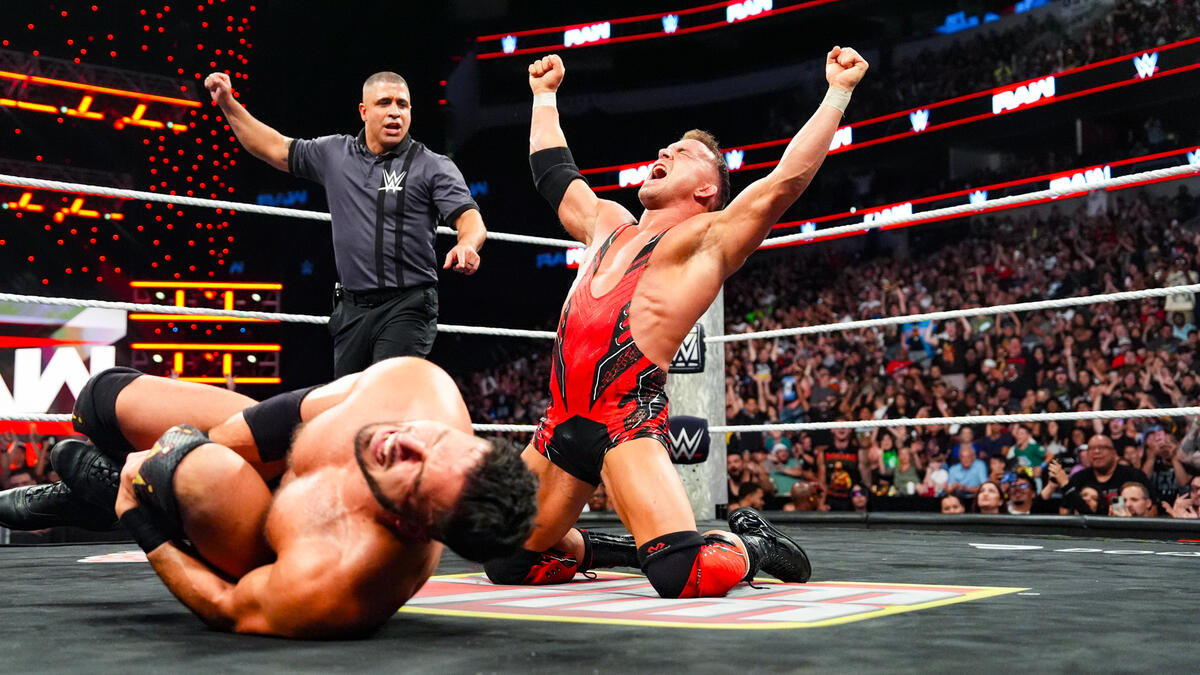
This reality is the driving force behind the upcoming singles match at the Maple Leaf Pro Wrestling showcase in Toronto. It pits two men at opposite ends of the wrestling survival spectrum against each other. Simon Gotch, the cynical technician, represents the brutal daily grind of the independent scene, while Billy Gunn represents the high-profile television survivor.
On paper, their match looks like a classic clash of generations. Gunn is a multi-time tag team champion who rose to fame during the boom of the late nineties. Gotch is a catch-as-catch-can specialist who thrives in the grueling, unglamorous world of modern independent promotions. But beneath the surface, this bout is a referendum on the physical toll of their trade.
The reality of the independent grind
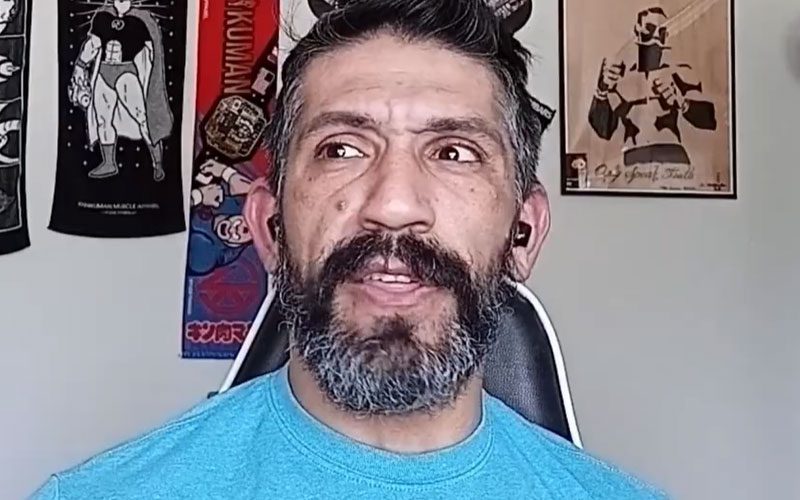
For Simon Gotch, survival is a mental and financial puzzle. He has spent Simon Gotch’s career reflections grinding out matches in front of sparse crowds. Gotch admitted that he thinks about quitting the business "all the time" during a recent podcast appearance.
"I think about quitting all the time."
Gotch's frustrations do not stem from a sudden loss of passion. Instead, he pointed to the constant stress of life on the independent circuit. The lack of a guaranteed, steady paycheck wears a wrestler down faster than any powerbomb. He described his early training years as miserable and physically punishing, a trial by fire that made him question his path from day one.
Gotch left WWE in 2017 because he was deeply unhappy with his creative direction and the corporate structure. Since then, he has scraped by on the indies, taking bookings wherever they appeared. That uncertainty shapes his style. In the ring, Gotch is spiteful, utilizing low-impact, high-pain holds designed to preserve his own joints while destroying his opponent's.
The Medical Charts and the Ring Geometry
Contrast Gotch's grind with the career of Billy Gunn. Gunn is a physical anomaly, still wrestling at a high level after nearly four decades. In a recent discussion, Gunn admitted he never expected his career to last 37 years. He credits his longevity to the way his career kept restarting through different eras.
"I never expected my wrestling career to last 37 years."
Yet, Gunn's survival has come at a severe cost. His body is a map of major surgical interventions and quiet agony. He suffered a broken neck in 1995 during the height of his run with the Smoking Gunns. That injury alone would have ended most careers in that era.
Worse was to come. Gunn revealed that his worst and longest setback was a brutal shoulder injury. The tear occurred during a table spot involving Bubba Ray Dudley, sidelining Gunn for over a year. You can read about Gunn’s physical setbacks to see how he rebuilt his training regimen after that disaster.
Analyzing the structural damage
How does a wrestler with a fused neck and a reconstructed shoulder compete at age sixty-two? The answer lies in match geometry. In AEW, Gunn is protected. He wrestles primarily in six-man tag matches alongside his sons, Austin and Colten. The younger Gunns do the heavy lifting, taking the bumps while Billy enters for hot tags and explosive finishes.
But next week in Toronto, there are no tag team partners to hide behind. It is a singles match, scheduled for a one-fall limit. Gotch knows this. He will target Gunn's left shoulder from the opening collar-and-elbow tie-up. Gotch’s game plan will revolve around isolating that joint, using short-arm scissors and keylocks to limit Gunn's explosive power.
Gunn's offense is reliant on velocity. His signature dropkick requires him to launch his entire body weight, landing hard on his hip and shoulder. His finisher, the Fameasser, involves a high-angle leg drop that puts immense pressure on his lower back and neck. If Gotch can slow the pace, Gunn will struggle to execute these high-risk maneuvers.
The Catch-Wrestler’s Trap vs. The Attitude Era Survivor
Let's look at the numbers. In his prime, Gunn’s matches averaged a quick seven minutes. He was an explosive worker who relied on speed and crowd energy. The crowd still loves him, often singing along to his old theme songs. Gunn even admitted he had no idea how explicit his old "Ass Man" theme song was until years later, as Ringside News noted in their coverage of his career.
Gotch, by contrast, thrives in matches that stretch past the ten-minute mark. His average match length on the independent circuit is 12-minute matches of grinding, positional wrestling. Gotch averages 4.2 submission attempts per match, compared to Gunn's career average of less than one. This contrast in pacing will dictate the opening minutes of the bout.
Watch for the collar-and-elbow tie-up at the start. Gotch will likely cede the center of the ring, backing into the ropes to force a clean break. This is a classic catch-wrestling tactic to frustrate larger opponents. Once Gunn grows stagnant, Gotch will drop level, targeting the ankles to take the big man to the mat.
If Gotch succeeds in keeping the match on the canvas, Gunn's night will be short and painful. Gunn has a noted vulnerability to front facelocks and neck cranks. His fused vertebrae limit his lateral neck movement. Gotch will use this limitation to control Gunn's posture, neutralizing his size advantage.
Gotch's blueprint for the match is straightforward:
- Targeting the left shoulder joint with ground locks.
- Forcing Gunn to defend neck cranks to exploit the fused vertebrae.
- Dragging the match past the ten-minute mark to test Gunn's solo cardio.
Gunn's path to victory requires immediate aggression. He must hit the corner stinger splash early to disorient Gotch. A running high dropkick at the three-minute mark could give Gunn the opening he needs. From there, he must quickly set up the Fameasser before his cardio fades under Gotch's relentless pressure.
However, Gunn's recent singles outings show a worrying trend. His reaction time has slowed. In his last singles match on television, he missed a counter trigger by a full second, allowing his opponent to secure a neck submission. Against a technician as sharp as Gotch, such a delay is fatal.
The Prediction
This match will not be a pretty display of high-flying maneuvers. It will be a slow, methodical dismantling of a legend. Gotch is younger, meaner, and has everything to prove. He wants to show that the independent grind creates a harder competitor than the television spotlight.
Gunn will have his moments of crowd-pleasing offense. He will hit a big boot and possibly a tilt-a-whirl slam. But Gotch will weather the storm. Gotch will isolate the left arm, work the neck, and force the veteran to submit.
Expect Simon Gotch to secure the victory. He will use a cross armbreaker, forcing the referee to stop the match. It will be a stark reminder that in professional wrestling, the ring eventually takes back everything it gave you.