The Hierarchy of Impact
The first half of 2026 forced fans to reconcile with shifting power structures and the harsh reality of long-term injuries. This list ranks the moments that moved the needle, prioritizing actual roster displacement over scripted hollow victories.
The Rankings
- The Rise of Gunther on SmackDown: Gunther’s ongoing dominance of the blue brand is not a surprise, but his brutal physical assault on Nick Aldis remains this year’s definitive tone-setter. This incident effectively paralyzed SmackDown's authority and forced a scramble for control that defined the spring. It ranks first because it rewrote the show’s creative direction in a single afternoon.
- Dustin Rhodes’ Continued Absence: The reality of the veteran’s hiatus, now at 365 days and counting, is a massive blow to AEW’s locker room stability. While other performers jockey for position, the void at mid-card creates a structural weakness that management has failed to address. It sits here because the absence of a locker room leader is more impactful than any single match.
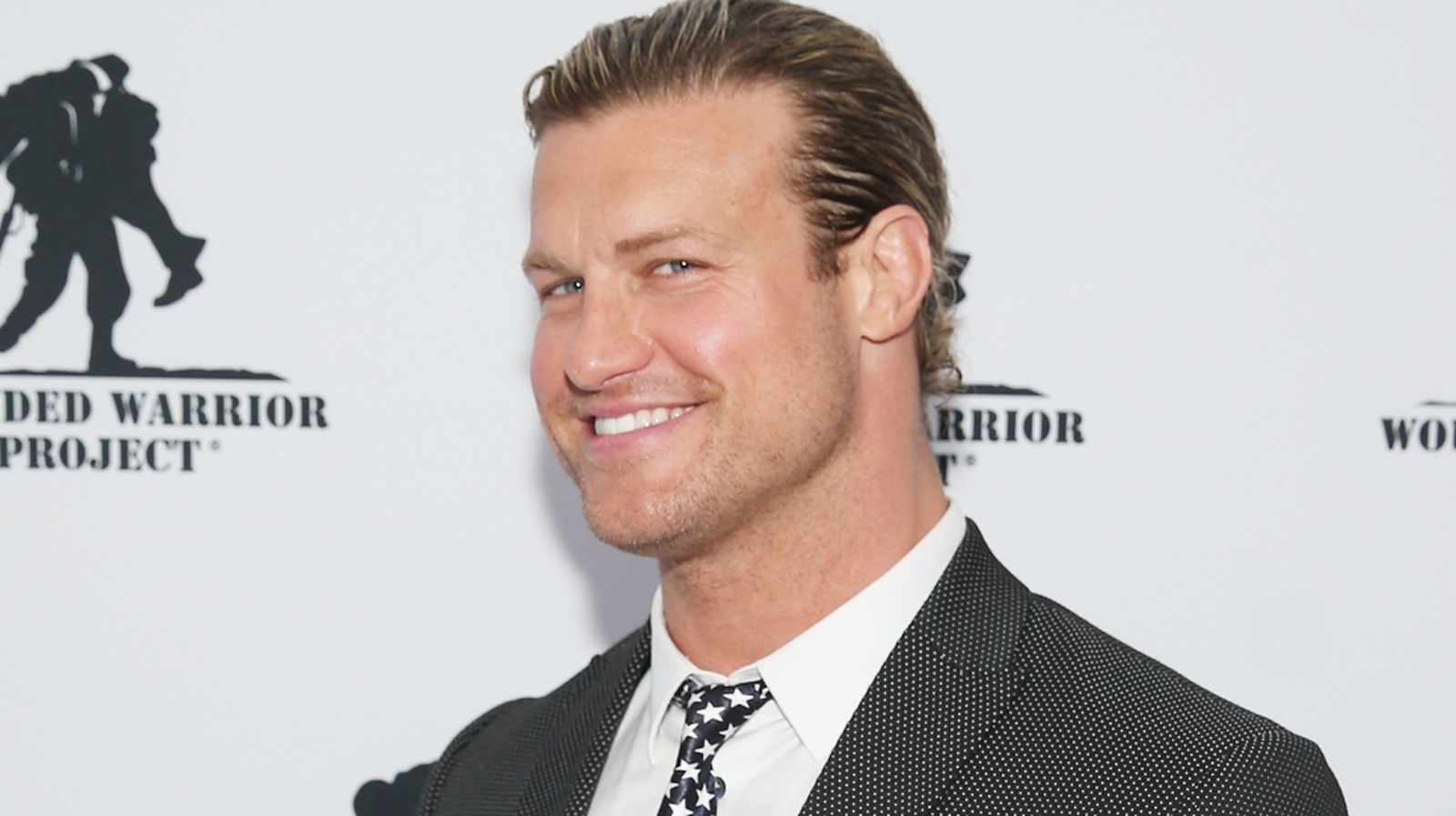
- The Richard Holliday WWE Rumor Mill: While not an in-ring moment, the expected arrival of Richard Holliday has dominated industry discourse for three months. PWInsider reporting keeps him at the #3 spot because a high-profile talent flip dictates long-term booking strategies. The speculation here is sharper than any actual television spot currently airing.
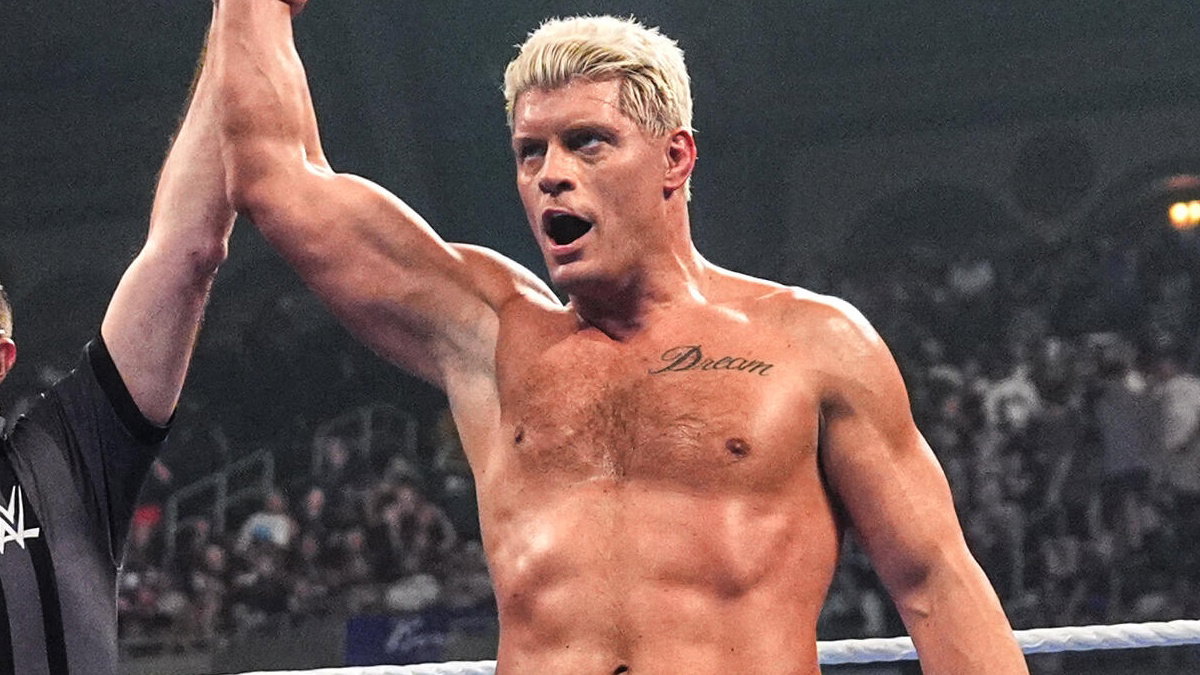
- Cody Rhodes and the Changing AEW Guard: Even as he operates elsewhere, his influence ripples through the shifting tides of the industry. The conversation surrounding his departure continues to inform how AEW scouts and retains talent today. It ranks fourth for sustained cultural relevance.
- The SmackDown Power Vacuum: Following the assault on the General Manager, the brand has struggled to maintain coherent storytelling. Weak booking in the tag-team division has left a gap that no amount of star power can fix. This lands at five because it highlights a critical failure in current creative output.
- Mid-July 2026 Authority Shake-up: The chaos preceding Saturday Night’s Main Event is a direct result of weak enforcement of internal rules. This moment serves as a cautionary tale of what happens when on-screen authorities fail to command respect. It earns this spot by proving that off-screen power dynamics matter as much as pinfall victories.
- The Stagnation of the Mid-Card: The lack of a clear challenger for secondary titles across major promotions has hit a fever pitch. Without veterans like Rhodes in the mix, younger talent is spinning their wheels in endless rematches. This is a negative ranking, reflecting pure creative exhaustion.
- The Integration of New Talent: NXT call-ups have struggled to find consistent footing, often relegated to dark matches or short segments. Management's inability to weave these fresh faces into the main rotation is a genuine point of concern. Their failure to launch earns them a spot in the bottom half of the top ten.
- The Rise of Saturday Night Coverage: The return of the Main Event brand has added an extra hour that frequently lacks substance. While the production value is high, the matches rarely feature anything beyond standard exchanges. It ranks low because volume has undeniably compromised quality.
- The Ongoing Recovery of Injured Stars: While not an event, the slow return of high-tier talent is the biggest story the industry refuses to highlight. Each week of inactivity from key performers shifts the burden to fewer workers, increasing the risk of burnout. It stays at ten because it is the ticking clock that everyone ignores.
The Big Picture
Pro wrestling in mid-2026 is currently defined by who is missing rather than who is performing. The industry is currently riding on the fumes of past stars while struggling to elevate the next generation beyond generic mid-card feuds.
Honorable Mentions
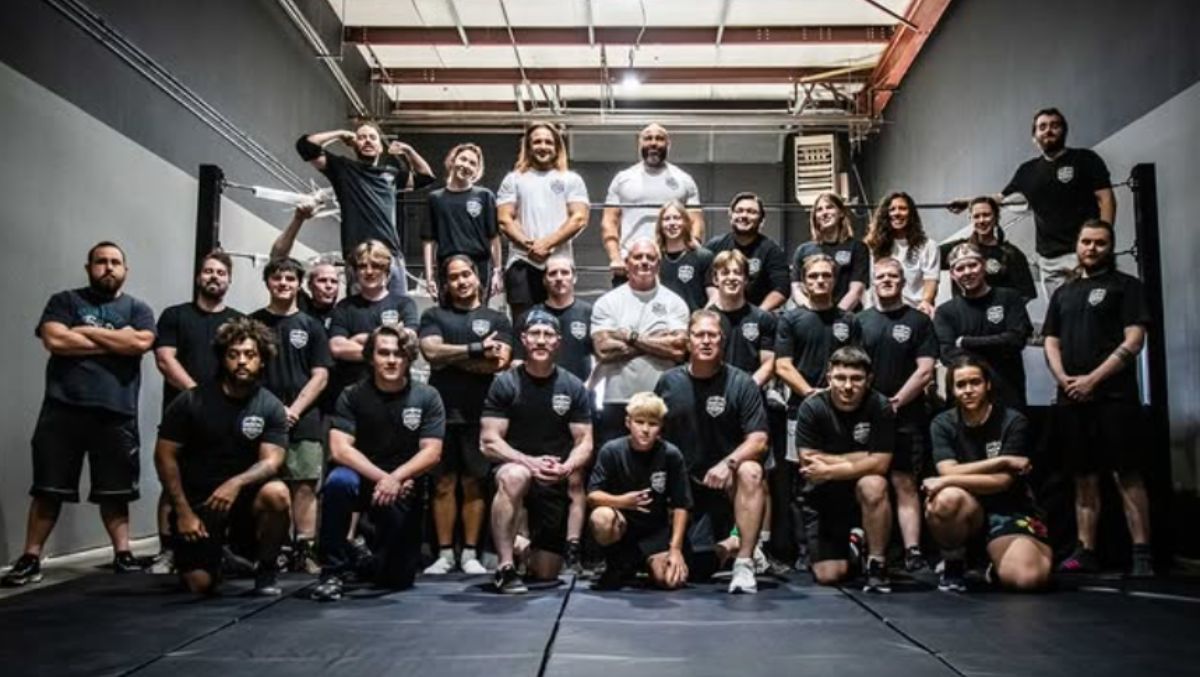
Technical flaws in the latest performance center recruitment class represent a quiet disaster for developmental, yet very little ink has been spilled on the subject. Additionally, the lack of pay-per-view variety remains a glaring issue, as back-to-back events start to look indistinguishable from weekly television. These issues remain secondary, but they form the undercurrent of frustration for the hardcore audience.