AEW deployed Sting at Spring Break-Thru to mask a deeper roster problem
The shadow of Allegiant Stadium
We are exactly three days away from WrestleMania 41 Night 1. The entire professional wrestling industry has its eyes fixed on Las Vegas, preparing for the most heavily scrutinized weekend of the calendar year.
When you are the alternative promotion, navigating this week requires tactical precision. You cannot compete head-to-head with the WWE marketing machine in mid-April. You have to offer something distinctly different.
All Elite Wrestling attempted to do exactly that on Wednesday night with their Spring Break-Thru television special. They loaded the card, pushed their major storylines toward Double or Nothing, and tried to generate their own momentum.
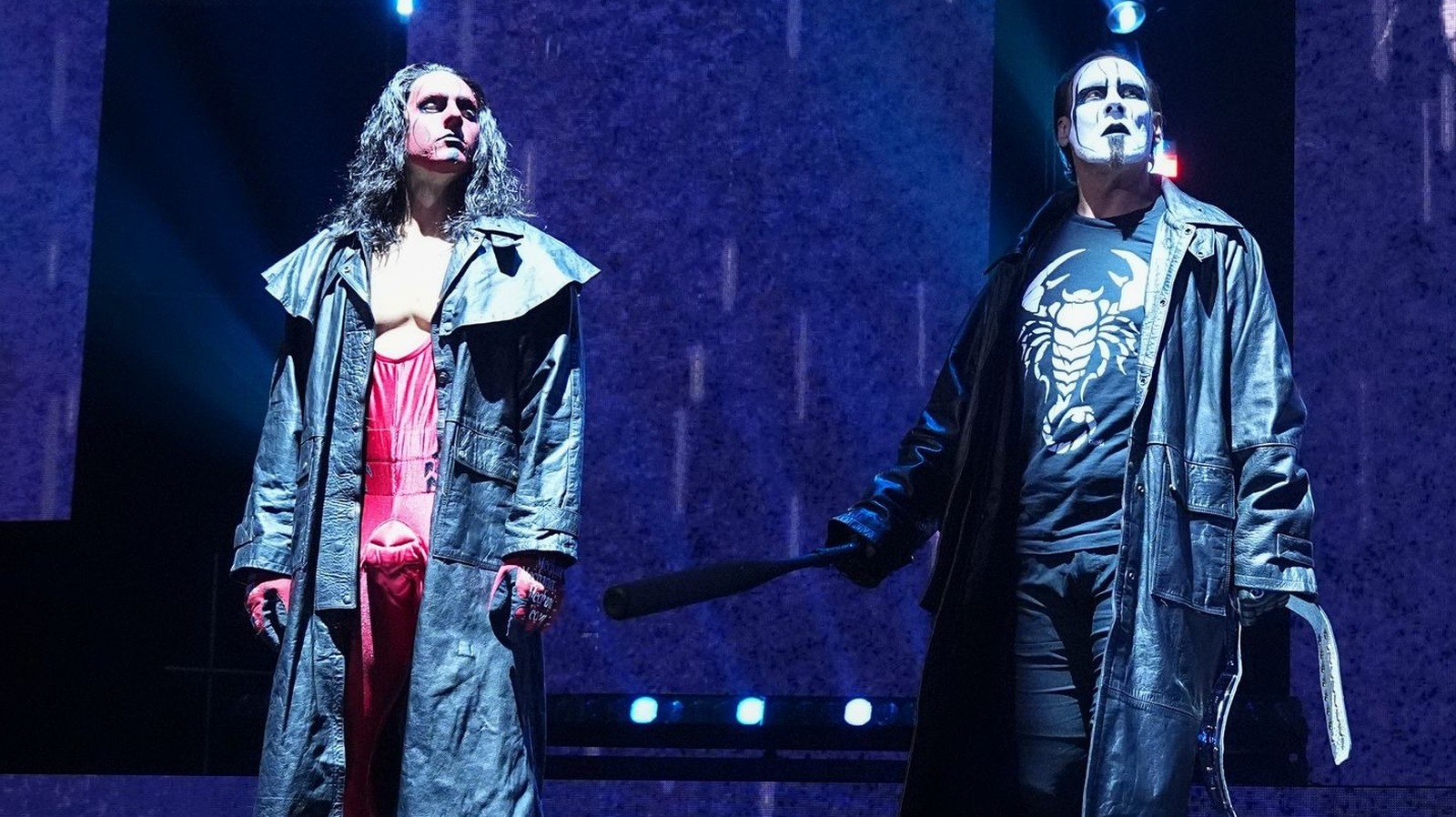
But the most revealing moment of the night did not happen on television. It happened when the cameras stopped rolling. Sting and his son appeared in front of the live crowd, offering a feel-good moment for the fans in attendance.
On the surface, this is harmless. It is a classic promotional tactic to send the audience home happy. But when you look closely at how Tony Khan deploys his retired legends, a concerning pattern emerges.
The mechanics of the dark segment
In the territory days, the dark match or the off-air segment was a tool used to protect the business. You could test a new gimmick or give a hometown hero a victory without disrupting the syndicated television storylines.
In 2026, the dark segment serves a completely different master entirely. It feeds the social media algorithm. Tony Khan knows that an arena filled with thousands of fans is essentially an arena filled with thousands of broadcast affiliates.
Every person holding a smartphone is going to upload that Sting footage to X, TikTok, and Instagram. The promotion gets the engagement metrics of a major legend returning without having to pay the television time tax of actually booking him in a storyline.
It is a highly efficient way to manufacture online buzz. But it is also a cheap trick. It relies on the lingering emotional attachment fans have to a 67-year-old man who officially retired over two years ago at Revolution.
A masterclass in disciplined absence
To his immense credit, Sting has handled his retirement better than almost anyone in the modern history of the business. When he teamed with Darby Allin to defeat The Young Bucks in early 2024, he left his boots in the ring and actually walked away.
We have not seen him dragged into meaningless backstage comedy sketches. We have not seen him take a bump for a massive overseas payday. That strict discipline is exactly why his appearance at Spring Break-Thru actually matters.
Because he has maintained his scarcity, the crowd genuinely reacts when he walks through the curtain. He hasn't diluted his own brand. He understands the fundamental economic principle of professional wrestling: absence creates demand.
His run in AEW was a tactical triumph. Tony Khan recognized Sting’s physical limitations and hid them perfectly within chaotic tag team environments.
He was never asked to carry a 25-minute broadway singles match. He came in, hit his signature spots, took a few terrifying table bumps, and let Darby Allin handle the transitional pacing. That structural protection preserved his aura right up until the end.
The complication of Steven Borden Jr.
The inclusion of his son in these appearances adds an interesting wrinkle to the dynamic. Steven Borden Jr. famously dressed as the surfer incarnation of his father for that final entrance at Revolution.
He has become the physical tether between Sting's legacy and the current product. When he shows up alongside his father, it isn't just a family photo op. It establishes a recognizable lineage for the live audience.
Wrestling has a long, complicated history with second-generation talent. For every Bron Breakker who violently shatters expectations, there are a dozen sons of legends who struggle to escape the shadow of a famous surname.
AEW has largely avoided thrusting Borden into an active in-ring role, which is the smart play. Letting him simply exist as a beloved mascot for his father’s legacy protects him from the vicious criticism of the internet wrestling community.
But his recurring presence does raise questions about what AEW is trying to build. Are they subtly laying the groundwork for a future angle, or are they just leaning on the Borden family to guarantee a positive crowd reaction?
The failure of modern booking
This is where we have to examine the negative consequences of this booking philosophy. AEW is a company that prides itself on being the future of professional wrestling. Yet, when they need a guaranteed, roof-rattling reaction, they continually reach backward.
Sending Sting out to pop the crowd is an admission of creative defeat. We are just 38 days away from Double or Nothing. The storylines playing out on Dynamite right now should be generating nuclear heat.
The midcard champions should be the ones sending the fans home happy. Instead, the most viral moment of the evening belongs to a retired veteran who isn't even on the active roster page.
This points to a severe structural issue in how AEW builds its babyfaces. They are excellent at presenting high-workrate matches, but they struggle to create deep, emotional connections that transcend bell-to-bell action.
You can book all the Canadian Destroyers you want. But if the crowd only truly comes unglued for a Scorpion Death Drop, your talent development pipeline is broken. If the creative team needs Sting to bail out a lukewarm arena in 2026, they are failing their current roster.
The economics of the live gate
You cannot separate this appearance from the current state of AEW's live business. Throughout the last year, the company has faced significant challenges filling arenas. They have had to aggressively paper sections and rely on promotions just to make the hard-cam side look respectable.
In that economic context, the Spring Break-Thru appearance makes total sense. Tony Khan is desperately trying to rebuild trust with the live ticket buyer. He needs the reputation of an AEW taping to be unpredictable.
He needs fans to think they might miss a surprise appearance from a legend if they stay home. It is a localized morale boost designed to sell tickets for the next time they run the market.
But it is a dangerous game of diminishing returns. You can only hit the nostalgia button so many times before the audience realizes it is a distraction from a mediocre television product.
The ghost of Darby Allin's momentum
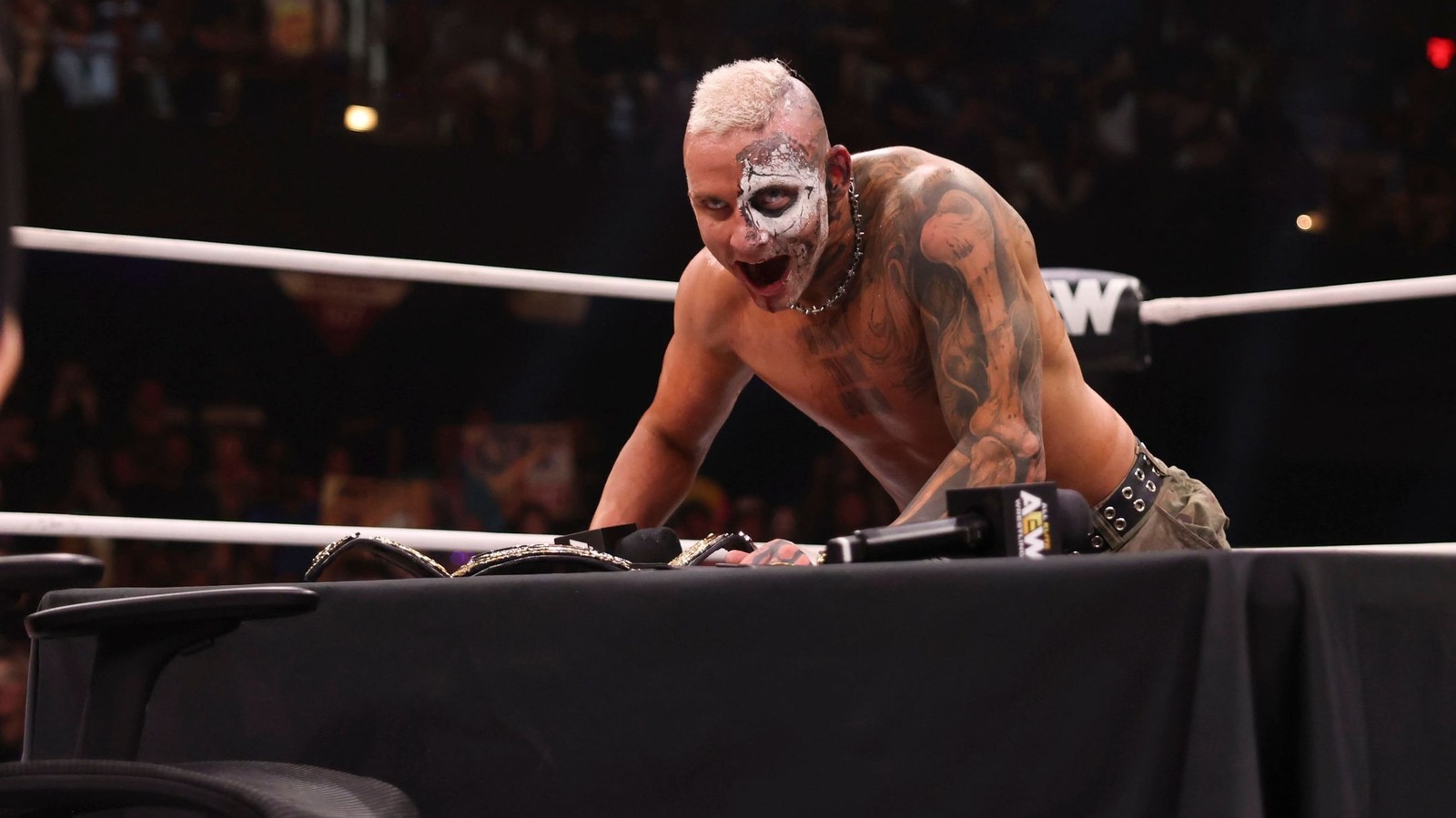
We also have to look at how Sting's continued presence impacts Darby Allin. For three years, Darby was intrinsically linked to the Icon. He was the designated bump-taker, the wild protégé, the guy who made the tag team function mechanically.
When Sting retired, Darby was supposed to be launched into the stratosphere as a solo main eventer. That hasn't entirely happened. While he remains incredibly popular, the booking has been wildly inconsistent.
He is often slotted into violent spectacles rather than nuanced championship pursuits. Every time Sting reappears, even just for a wave to the crowd, it visually reminds the audience of a time when Darby's creative direction was clearer.
It acts as an anchor. The promotion needs to sever that visual tie if they ever want Darby to truly stand on his own at the top of the card.
Counter-programming during the biggest week of the year
Running a major television special like Spring Break-Thru in the direct shadow of WrestleMania 41 is a massive logistical challenge. The wrestling media oxygen is entirely consumed by what is happening at Allegiant Stadium.
WWE is currently flooding the zone with press conferences, open workouts, and Hall of Fame announcements. AEW had to do something to cut through the noise. They couldn't just put on a standard episode of Dynamite and expect anyone to care.
The booking required a heavy hand. They needed headlines. They needed aggregation accounts on X to post their logo next to a recognizable face.
From a pure marketing perspective, deploying Sting on Wednesday was a defensive maneuver. It forces the wrestling media to dedicate at least a fraction of their Thursday morning coverage to AEW before returning to the Las Vegas hype machine.
Looking toward Double or Nothing
As we move closer to May 24, AEW has to pivot away from these nostalgia pops and focus relentlessly on the active roster. Double or Nothing is historically their most important pay-per-view of the year.
It sets the creative trajectory for the entire summer. You cannot sell a $50 pay-per-view based on the hope that a retired legend might wave from the stage. The storylines built around the World Championship must command the spotlight.
The young talent that Khan has heavily invested in must start pulling their weight at the box office. The Spring Break-Thru appearance was a fun distraction, but the real work starts next week.
If we arrive in Las Vegas next month and the most compelling narrative still revolves around veterans from the 1990s, AEW will have entirely missed the point of their own existence. They were founded to be the alternative, not a tribute act.
The balance of history and progress
Wrestling will always rely on its history. The sport is built on generational storytelling and the passing of the torch. There is nothing inherently wrong with honoring the men and women who paved the way for the current generation.
Sting walking out with his son is a genuinely nice moment for a fanbase that has supported him for decades. It is a harmless bonus for the people who bought a ticket on a Wednesday night.
But in the ruthless, analytical world of professional wrestling booking, every action has a reaction. Every time you point the camera at the past, you are taking time away from the future.
AEW has all the raw materials necessary to dominate the industry. They have television time, financial backing, and an incredibly athletic roster. What they need now is the confidence to let that talent swim on its own merits.
Read Next
WWE Ultimate Edition John Cena "Farewell Tour" Action Figure
A premium tribute to the GOAT's final run in the squared circle.
Frequently Asked Questions
When did Sting retire from professional wrestling?
Why did Sting appear at AEW Spring Break-Thru?
What is a dark segment in professional wrestling?
How has Sting handled his retirement compared to other wrestlers?
When and where is WrestleMania 41 taking place?
More Coverage

Top 10: Tony Khan’s Managing Style
9 hours ago
Tony Khan keeps swinging: Media scrums, title bloat, and Goldberg’s signals
9 hours ago
Tony Khan is fighting on every front and the fans are officially exhausted
1 day, 13 hours agoAEW All In London 2026 is a masterclass in 'just enough'
2 days, 2 hours ago
AEW Collision in Boston hits the reset button on championship focus
2 days, 5 hours ago
Tony Khan is playing chicken with WWE and the fans are losing
2 days, 7 hours agoMore Analysis
AEW is playing a dangerous game with their reliance on surprise returns
1 month, 4 weeks ago
AEW is playing a dangerous game with Dynasty nostalgia
3 months, 1 week ago
AEW is playing a dangerous game with their Dynasty card
3 months, 1 week ago
AEW Dynasty is looking like a high-stakes garage sale
3 months, 1 week agoAEW Collision tapings in Everett expose a glaring booking issue
3 months ago