The Managerial Void and the Return of a Specialist
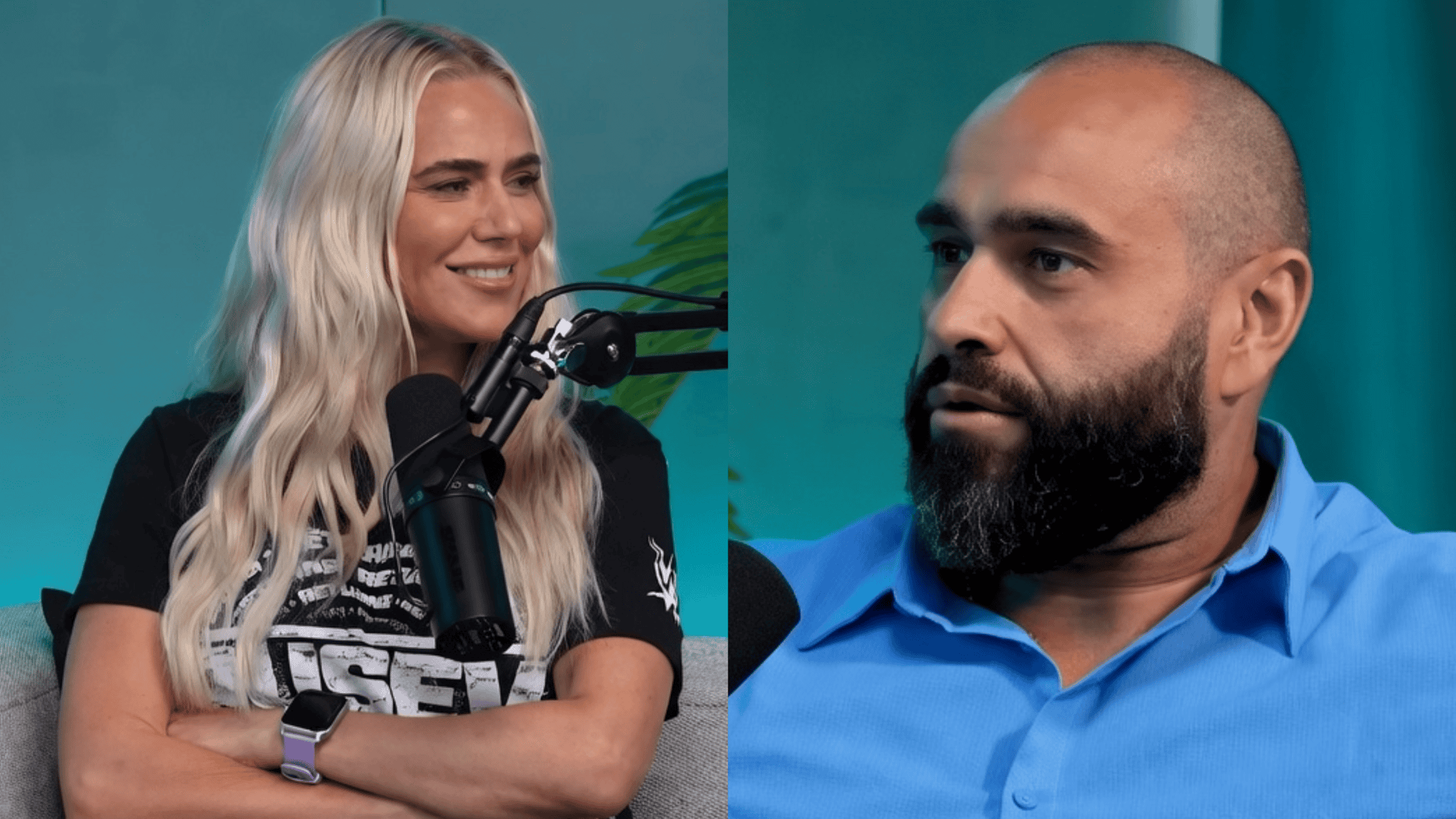
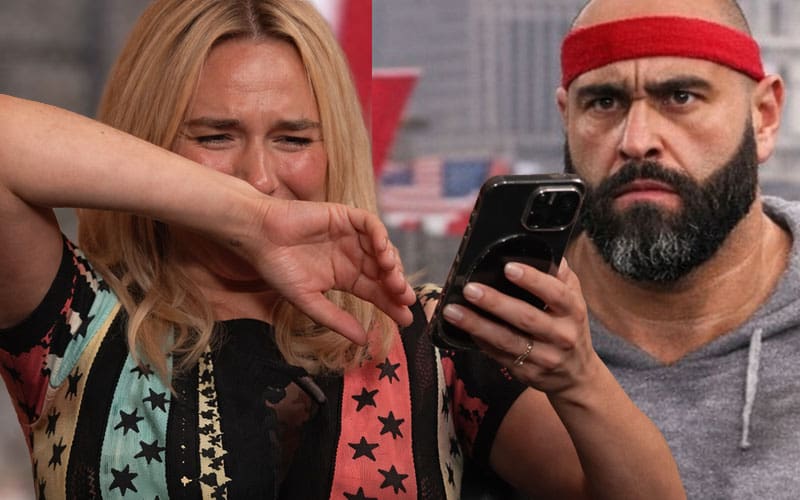
CJ Perry is tired of being the industry's most talked-about spectator. After months of lingering on the periphery of the professional wrestling conversation, the woman formerly known as Lana has officially addressed her WWE absence. The timing is anything but accidental. With WrestleMania 41 Night 1 just 3 days away, the rumor mill is churning at a rate we haven’t seen since the lead-up to the 2024 draft.
Perry’s career trajectory has always been defined by her ability to elevate those around her through pure character work. In an era where work-rate often eclipses personality, her potential return offers a specific kind of storytelling gravity that the current mid-card desperately lacks. Whether she returns as a manager or tries to navigate the ring once more, the buzz is grounded in her own recent public comments regarding a comeback. She hasn't just been waiting; she’s been positioning herself.
The current WWE Women’s division is packed with elite technical wrestlers, but it is thin on genuine fire-starters. Perry knows how to draw heat with a single glance or a well-timed interruption. If she aligns with a rising star needing a mouthpiece, the creative ceiling for that pairing rises instantly. However, the skepticism remains high among those who remember her stop-start booking during her final years in the company. Consistency has always been the missing ingredient in her presentation.
Heat on the Digital Front: BJ Ray vs. Bronson Reed
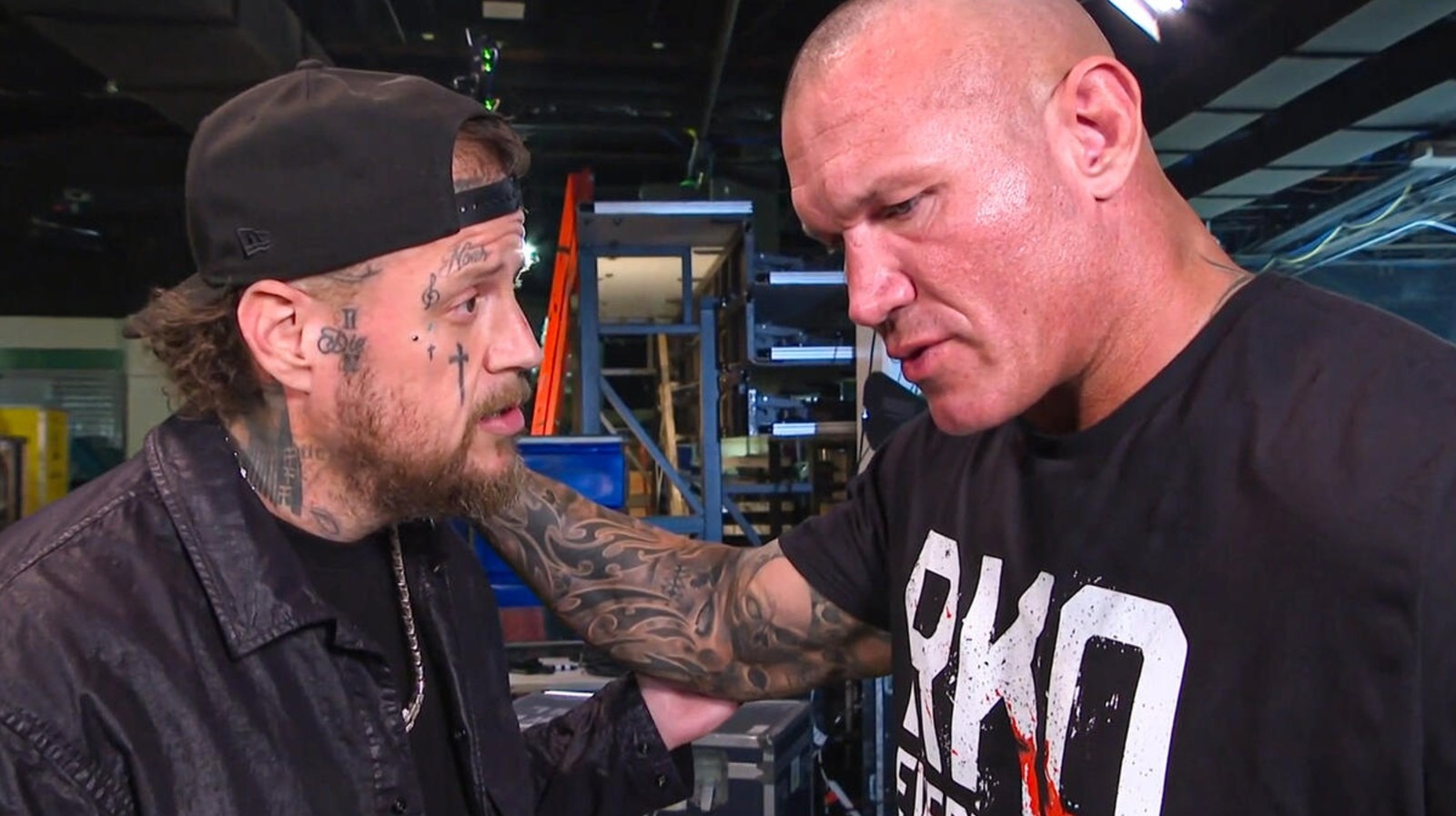
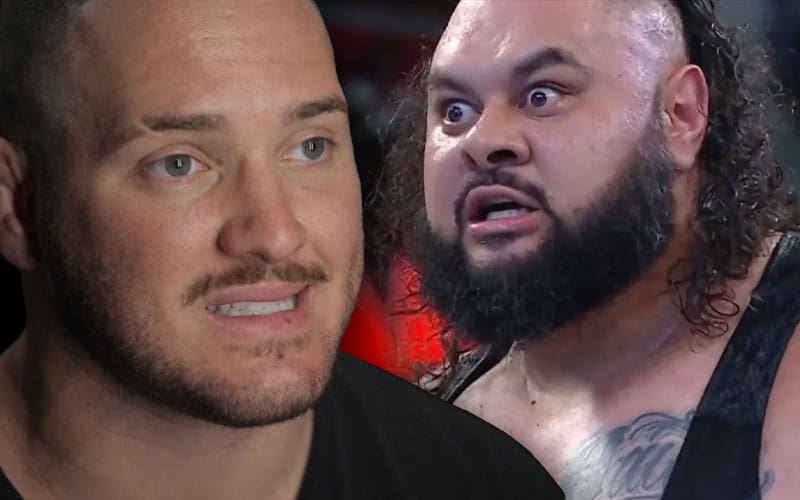
While Perry is playing a subtle game of hints, former NXT talent BJ Ray is taking a much more aggressive path back to relevance. Ray recently took to social media to blast Bronson Reed, calling the powerhouse "Low IQ" after Reed criticized younger wrestlers for acting like seasoned veterans. It is a bold, perhaps reckless, strategy for a man currently on the outside looking in. Firing shots at a main roster fixture like Reed suggests Ray is either trying to manufacture a viral moment or is already in talks for a return that requires a built-in feud.
Reed is currently positioned as one of the most reliable monsters on the roster. For Ray to call him out so publicly creates an immediate narrative hook, but it also carries significant risk. There is a fine line between generating "good heat" and becoming a liability before you even walk through the curtain. Locker room veterans rarely take kindly to outsiders using their names to build a brand, and Ray’s aggressive stance could backfire if the office views it as unprofessional rather than ambitious.
This friction highlights a growing trend in the 2026 contract cycle: the use of social media as a public audition. Ray is essentially betting on his ability to irritate the fan base enough that a promotion feels forced to give him a platform. It worked for others in the past, but in a WWE run by a more disciplined creative team, these tactics are being scrutinized more than ever. The irony is that Ray’s outburst proves Reed’s point about the conduct of the younger generation.
The Tony Khan Shift: TNA Partnerships and Creative Audits
While WWE manages its return rumors, AEW President Tony Khan is dealing with a forced overhaul of his own. Khan addressed the media last week, confirming that the injury to Kyle Fletcher has forced significant creative adjustments ahead of AEW Double or Nothing. This opens a massive hole in the upper-mid-card that needs to be filled. When a featured performer like Fletcher goes down, the "transfer" market becomes the only solution for a promotion that prides itself on constant momentum.
The Indy Policy Change
Perhaps the most significant news from Khan's briefing was the shift in the TNA-AEW indy show policy. By loosening the restrictions on where talent can appear, Khan is essentially creating a more fluid talent exchange program. This isn't just about charity; it’s a strategic move to keep his roster sharp while they wait for creative openings. It also signals a more collaborative approach to the industry's "free agent" pool, making it easier for stars to move between the two companies without the usual contractual headaches.
This policy change could be the precursor to a larger talent trade. If AEW needs a fresh face to cover for Fletcher’s absence, the pipeline from TNA is now more open than it has been in years. We are seeing the birth of a genuine scouting network where a standout performance on an indy show can lead directly to a spot on a national broadcast. It keeps the product unpredictable, though it does risk diluting the exclusivity of the AEW brand if not managed carefully.
Probability Assessment: Who Actually Shows Up?
The probability of CJ Perry appearing at WrestleMania 41 is currently sitting at a 70% based on the sheer volume of internal chatter and her own refusal to rule it out. WWE loves a surprise return for the "Grandest Stage of Them All," and Perry fits the profile of a talent who can generate a massive social media reaction without requiring a 20-minute match. She is a low-risk, high-reward signing for a company looking to bolster its lifestyle and entertainment segments.
BJ Ray’s chances of a WWE return are much lower, likely around 30%. While the drama with Reed is entertaining, WWE has a deep bench of developmental talent who don't bring the baggage of public Twitter feuds. Ray might be better suited for a run in TNA or the international scene to prove he can handle the spotlight without the unnecessary friction. His talent is undeniable, but his judgment is currently under a microscope.
As for the AEW side, the "signing" won't be a single person, but rather a revolving door of TNA talent filling the gaps left by injuries. The Fletcher situation is a blow, but the new policy allows Khan to treat the entire TNA roster as a potential taxi squad. It’s a pragmatic solution to a recurring problem in professional wrestling: the fragility of a long-term plan when the performers are human.
The Expected Impact
If CJ Perry does walk down the ramp on April 19, the impact will be felt most in the managerial ranks. WWE has moved away from traditional managers lately, opting instead for factions. Perry could single-handedly revive the art of the solo manager, providing a focal point for a talent that has the physical tools but lacks the charisma to connect with a stadium-sized crowd. She is a force multiplier for whoever she stands behind.
The broader impact of the AEW-TNA policy change will be felt over the next six months. We are entering a period where the traditional "contract" is becoming more flexible. For the fans, this means a more dynamic product. For the wrestlers, it means more leverage. However, the danger of over-saturation is real. If every show feels like a crossover event, the individual identity of these promotions starts to fade. The industry is changing fast, and the winners will be those who can balance the excitement of a new signing with the discipline of long-term storytelling.