The Vanishing at Allegiant Stadium
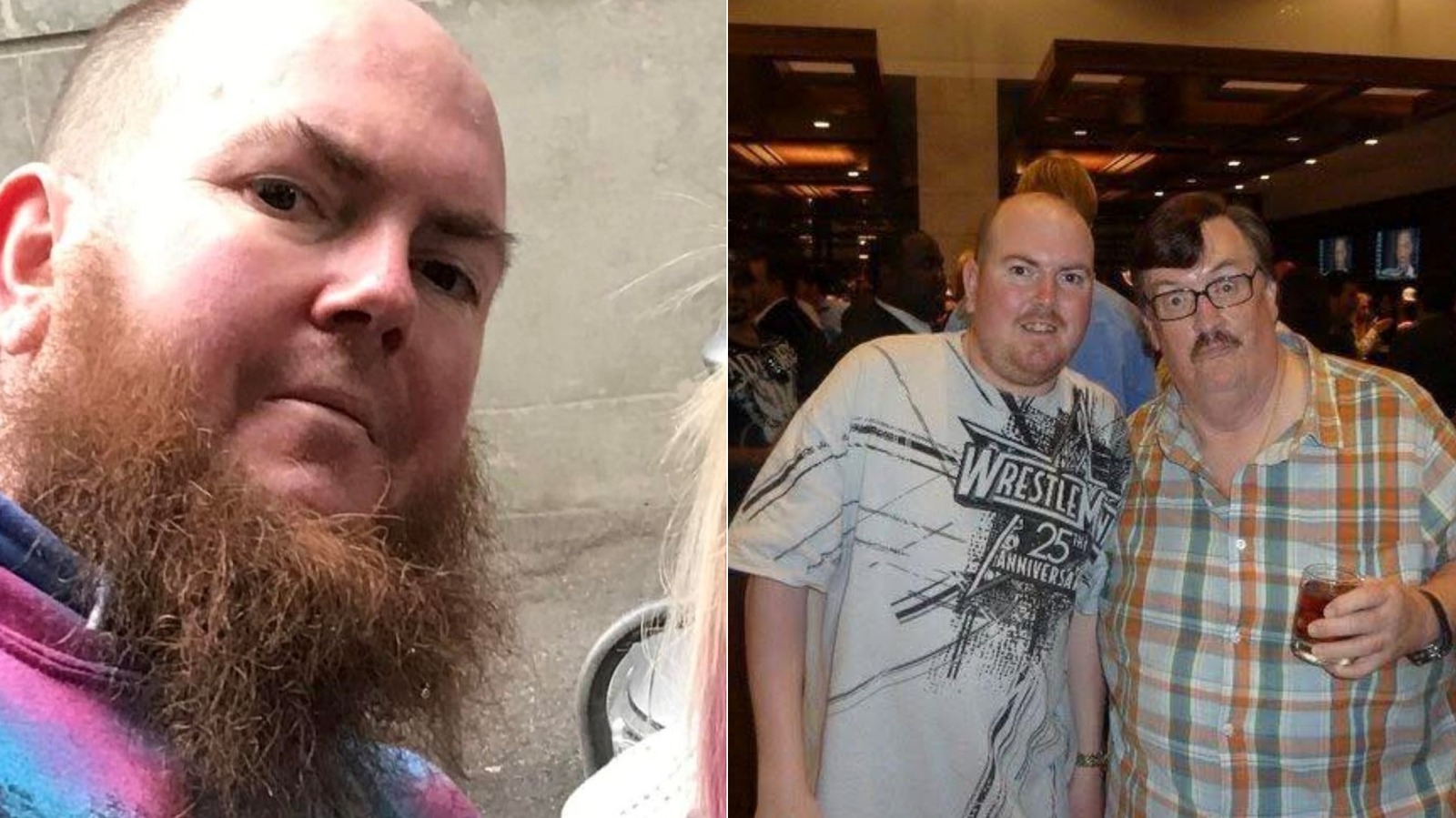
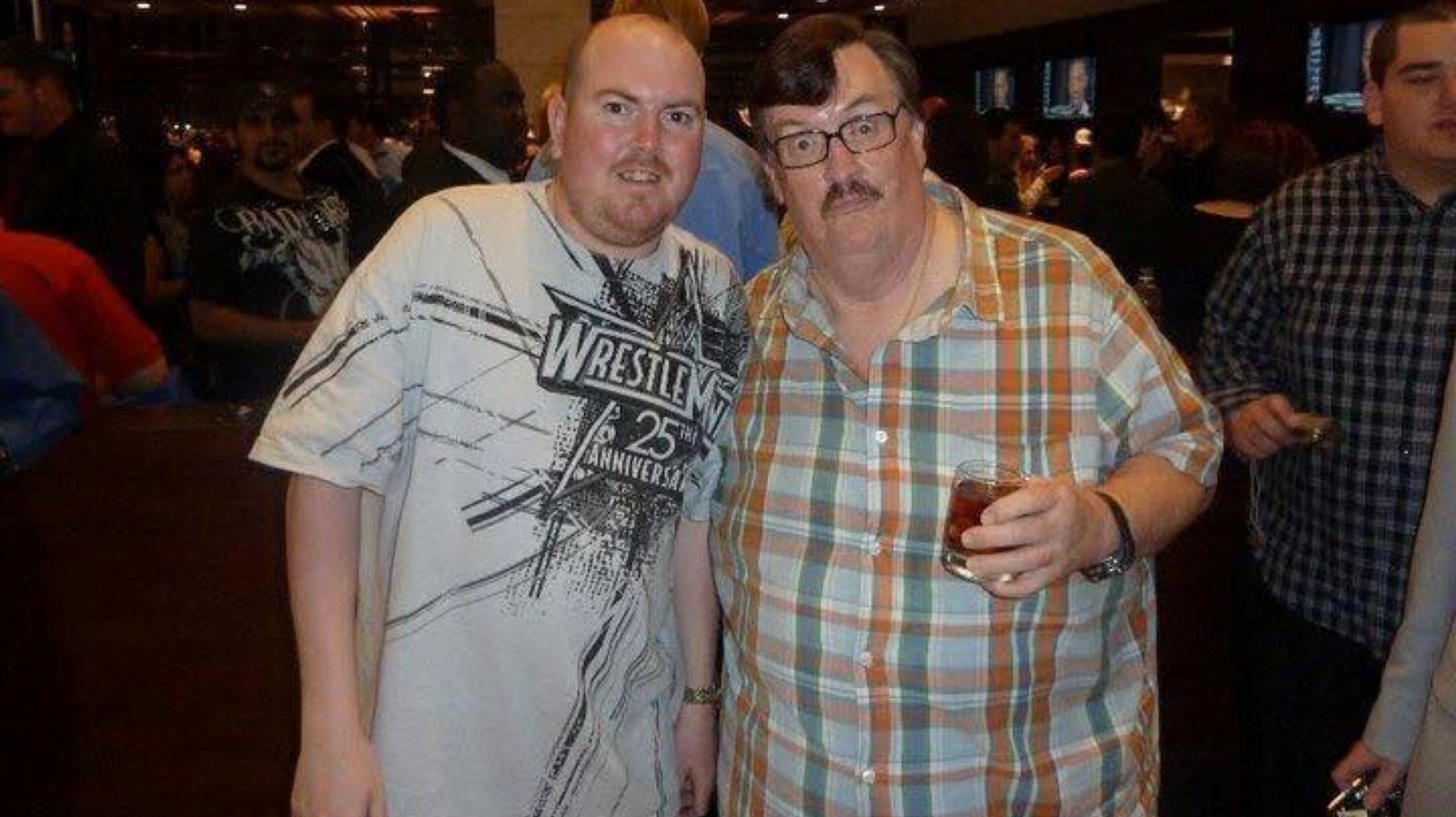
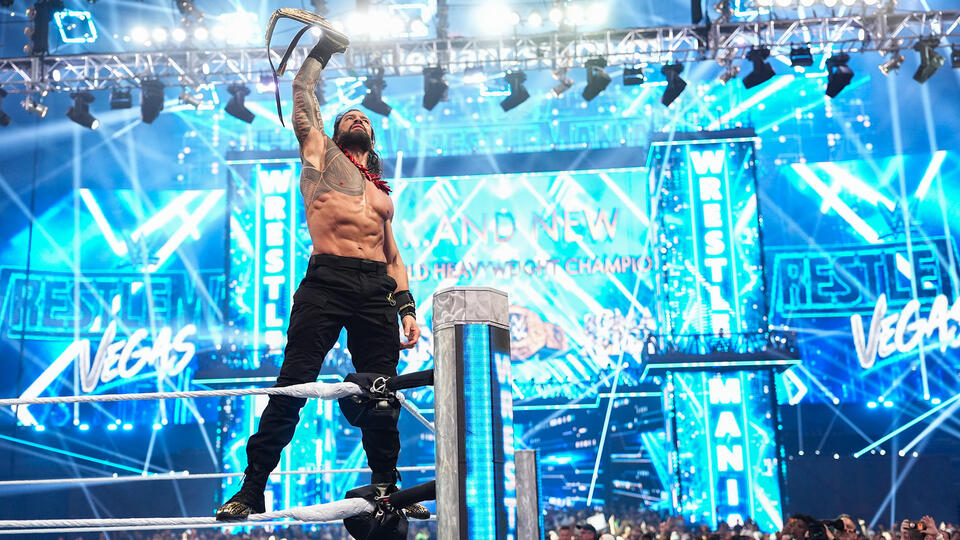
The neon lights of the Las Vegas Strip are finally dimming, but for one family in the United Kingdom, the nightmare is only beginning. As the WWE production trucks roll out of Nevada and the industry pivots toward the UCL semi-finals, a sobering reality check has hit the wrestling community. A UK-based fan who traveled across the Atlantic for WrestleMania 41 has officially been reported missing.
This isn't your standard post-event injury report where we count bruised ribs and torn ACLs in the locker room. This is a wellness crisis that has reached the highest levels of the WWE hierarchy. According to reports from PWInsider, the fan vanished during the chaos of WrestleMania weekend and has not been heard from since.
The timing is particularly concerning as we hit the 72-hour mark post-event. In a city like Las Vegas, which is designed to swallow travelers whole, a missing person case involving an international visitor presents a unique set of logistical and medical hurdles. The physical toll of "Mania Week" is often underestimated by those who haven't lived through the grind of a four-day stadium itinerary.
Natalya Steps Into the Breach
Nattie Neidhart, the veteran cornerstone of the women’s division, has taken the lead on social media to mobilize the fan base. This isn't a corporate PR move or a scripted segment. Natalya has long served as the unofficial governor of the WWE locker room, often acting as the primary point of contact for family members and staff during travel emergencies.
Her plea for information has turned the "WWE Universe" into a localized search network. When a veteran of her stature sounds the alarm, the industry listens. She isn't just asking for retweets; she is looking for specific sightings near Allegiant Stadium and the surrounding resorts where UK travel groups were stationed during April 2026. It is a rare moment of a top-tier performer breaking the fourth wall to address a life-and-death situation involving the audience.
Natalya’s involvement highlights a growing trend of talent taking responsibility for the very people who fund the industry. The Hart family lineage is built on the idea that the business is a brotherhood. That ethos apparently extends to the front row. Her outreach has already sparked a wave of fan-led investigation across Reddit and Twitter, though concrete leads remain frustratingly thin.
The Medical Reality of the Vegas Tax
From a fitness and wellness perspective, Las Vegas is a high-risk environment for mass gatherings. The physical demands on a fan traveling from the UK are brutal. You start with an 11-hour flight from London, immediately followed by the jarring shift of an eight-hour time difference. This creates a state of chronic jet lag that masks the early signs of physical exhaustion.
Add in the dry Nevada heat and the sheer scale of Allegiant Stadium, and you have a recipe for disaster. Fans spend five to six hours on their feet during the main event. They are often dehydrated, surviving on stadium food and adrenaline. By the time the final bell rings on Night 2, the human body is in a state of high-cortisol depletion. This makes individuals prone to disorientation and sudden medical episodes that can go unnoticed in a crowd of tens of thousands.
We see this "Vegas Tax" every year in combat sports, but wrestling fans often push themselves harder than the athletes. They hit the indie shows at noon, the fan conventions at 3:00 PM, and the main card until midnight. If you are a solo traveler or get separated from your group in that state of fatigue, the sprawling labyrinth of the Strip becomes a dangerous place to lose your bearings.
"The city is built to be a maze, but when you're 48 hours into a sleep-deprived binge, that maze turns into a trap."
A Systemic Failure in Fan Safety
There is a glaring lack of centralized safety infrastructure for international fans at these mega-events. While WWE manages the health of its performers with clinical precision, the fan experience is a fragmented mess of private security and overwhelmed local police. This missing person case exposes a massive hole in the offboarding process for stadium-level shows.
When the pyro fades and the lights go up, 70,000 people are dumped into the streets with very little guidance. For a visitor from the UK, the sudden shift from a controlled stadium environment to the predatory nature of the Vegas transport hubs is jarring. There are no "fan embassies" or dedicated help desks for those who lose their phones, their wallets, or their friends in the post-match surge.
The industry needs to stop treating safety as a liability checkbox and start treating it as a core component of the product. If we can track a wrestler's heart rate in real-time during a ladder match, we can certainly do a better job of ensuring a paying customer doesn't vanish into the desert air. This is a critical failure that should haunt the organizers long after the highlights stop airing.
As of April 26, the search continues with the hope that this fan is simply off the grid or recovering from a non-life-threatening medical incident. But with every passing hour, that hope grows more fragile. The wrestling world is holding its breath, waiting for a signal that the celebration of WrestleMania 41 didn't come at the ultimate price.