The Allegiant Stadium gold mine
The numbers are in from Las Vegas, and they confirm what everyone in the building at Allegiant Stadium already felt. WrestleMania 41 has officially been declared by WWE as one of the highest-grossing events in the history of the company. It is a massive financial win for TKO Group Holdings, proving that the move to a high-roller destination like Vegas was the correct play for the bottom line, even if it pushed the average fan to the breaking point.
According to internal company declarations, the two-night event held on April 19 and April 20 generated staggering revenue across gate, sponsorship, and merchandise. While specific figures are still being finalized for the public, the promotion is already touting the weekend as a benchmark for the modern era. The shift in strategy under the TKO banner is clear: prioritize massive stadium gates in cities capable of supporting exorbitant ticket prices and high-end hospitality packages.
WrestleMania 41 is in the history books, and WWE have declared it to be “one of the highest-grossing events” in company history.
This success does not come in a vacuum. The 2026 edition of the Showcase of the Immortals relied heavily on the star power of the past and the stability of the present. With John Cena embarking on his highly publicized farewell tour and CM Punk returning to the WrestleMania stage in a prominent role, the hooks were deep enough to pull in a global audience. The revenue jump also reflects a massive increase in site fees, with Las Vegas reportedly paying a premium to host the festivities during a crowded spring sports window.
Cena takes his final WrestleMania bow
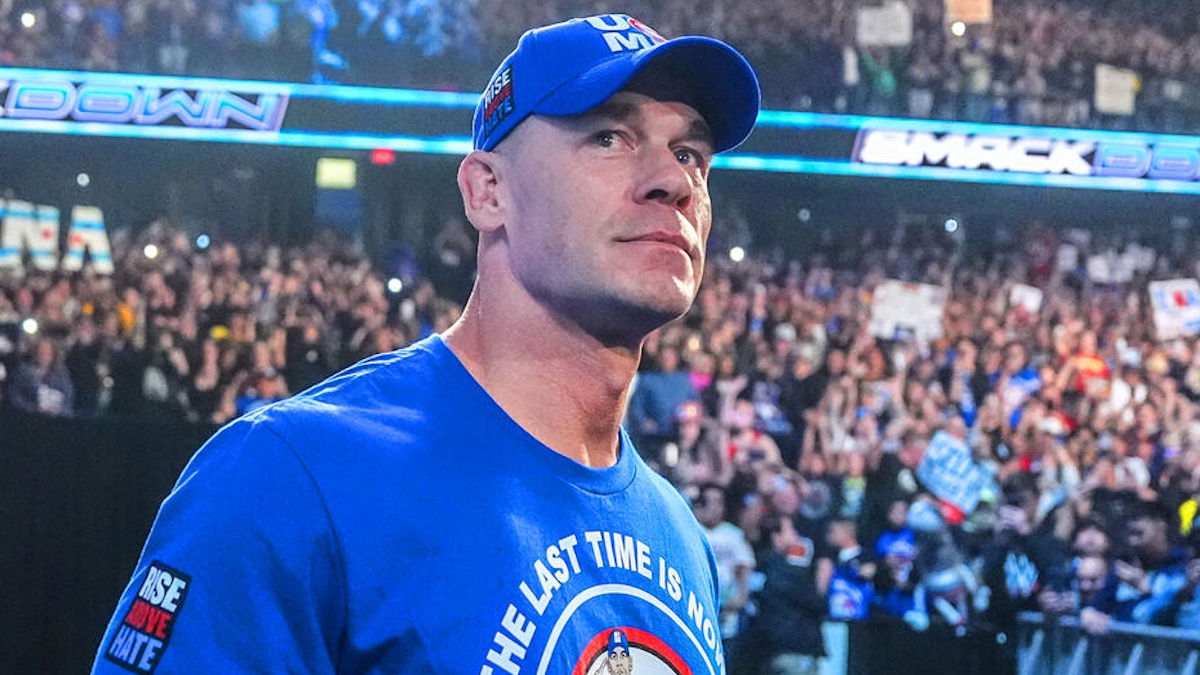
The emotional anchor of the weekend was undoubtedly John Cena. After twenty years at the top of the industry, Cena’s farewell in Las Vegas felt like the end of an era for the PG generation. The match itself was a masterclass in storytelling over athleticism, proving that Cena still knows how to manipulate a crowd of over 65,000 people with nothing more than a shoulder tackle and a well-timed Five Knuckle Shuffle. The atmosphere in the stadium shifted from celebration to somber reality as the final three-count hit, marking his last competitive appearance on this specific stage.
Critically, the booking of Cena’s exit was handled with more grace than his previous few appearances. There was no fluke finish or over-the-top interference. It was a straight-up wrestling match that allowed the veteran to go out on his own terms. However, some fans voiced frustration that the match did not main event Night 1, a spot many felt Cena earned through his decades of service. Instead, the focus remained on the moving parts of the current Bloodline saga, which continues to dominate the top of the card regardless of individual legacies.
The CM Punk resurgence
CM Punk’s involvement in a major WrestleMania 41 match was another significant revenue driver. After missing out on major opportunities in previous years due to injury and internal friction, Punk looked like a man possessed in Las Vegas. His performance was sharp, moving with a pace we haven't seen from him since his early AEW days. He leaned heavily into his veteran instincts, utilizing a brutal series of kicks and a GTS that actually looked like it had some weight behind it. The crowd reaction confirmed that despite the controversy that follows him, Punk remains one of the few genuine draws left in the business.
The business impact of Punk cannot be overstated. His merchandise was flying off the shelves at the WWE World fan experience all weekend. For TKO, Punk represents the perfect bridge between the older, cynical fan base and the younger demographic that wants to see stars with an edge. As WrestleTalk reported, the momentum from these legacy acts has helped push WWE into a new financial bracket, though some wonder if the company is becoming too reliant on names from the 2010s to sell out stadiums in 2026.
The Bloodline saga hits another gear
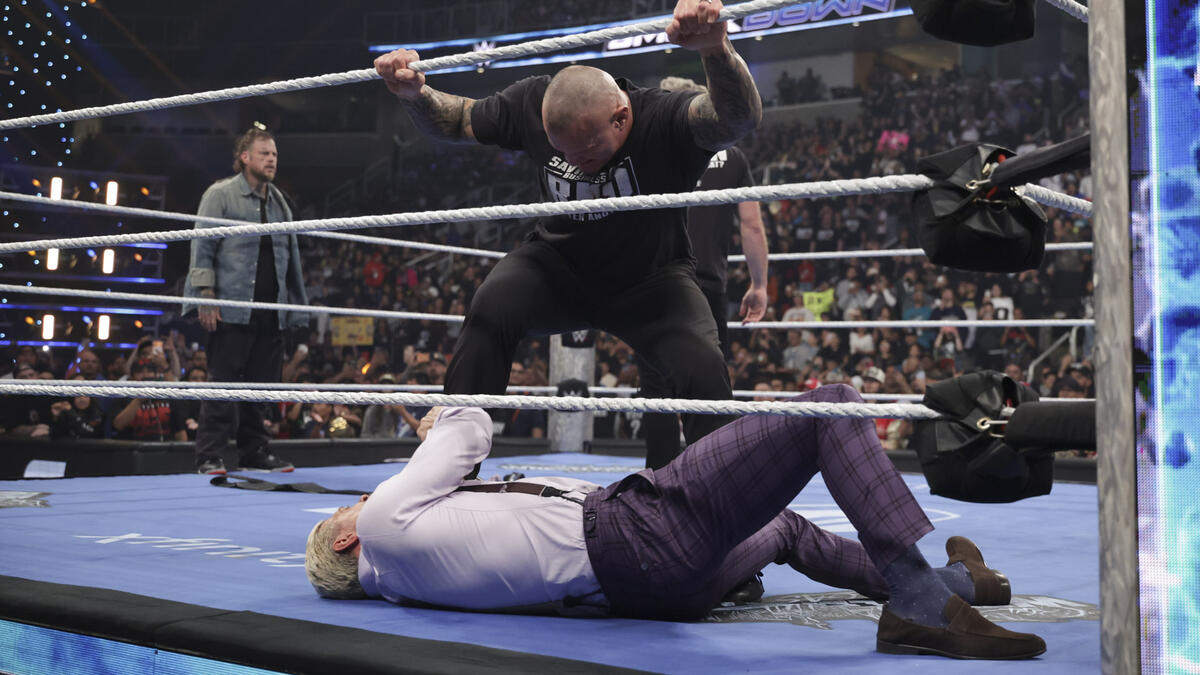
Night 2 was all about the survival of the Bloodline and Cody Rhodes’ struggle to maintain his grip on the WWE Championship. The match was a sprawling, over-produced epic that featured nearly every member of the Anoa'i family at some point. While the drama was high, it highlighted the recurring issue with modern WWE main events: the matches are becoming increasingly formulaic. We saw the same ref bump, the same run-ins, and the same 'near-fall after a finisher' sequence that we have seen at every major show for the last two years.
Cody Rhodes continues to be the most reliable babyface champion the company has had in years, but the shadow of Roman Reigns still looms large. The chemistry between the two remains the strongest asset on the roster, but there is a growing sense of fatigue among the hardcore audience. At what point does the Bloodline story actually reach a conclusion? In Las Vegas, it felt like we were watching the middle chapter of a book that was supposed to end three years ago. The revenue might be at an all-time high, but the creative engine is starting to recycle its best parts.
A corporate atmosphere in the desert
One cannot ignore the clinical, corporate feel of the entire weekend. Las Vegas is a city built on the concept of 'pay to play,' and WrestleMania 41 leaned into that fully. The ringside seats were almost exclusively occupied by influencers, celebrities, and high-net-worth individuals who spent more time on their phones than watching the ring. This is the new reality of the TKO era. The 'real' fans, the ones who travel from Europe or Japan and sit in the rafters, are being squeezed out by a pricing structure that favors corporate hospitality over passion.
The production also felt bloated. The time between matches was filled with endless advertisements and video packages, stretching the show to nearly five hours each night. This is a negative observation that needs addressing; more content does not equal better content. By the time the main event of Night 2 rolled around, a significant portion of the audience looked exhausted rather than excited. If WWE wants to maintain these record-breaking gates, they need to ensure the live experience doesn't become a chore for the people actually buying the tickets.
Looking toward the post-Cena future
With WrestleMania 41 now in the rearview mirror, the industry faces a massive transition. The departure of John Cena leaves a void in the locker room that no amount of revenue can truly fill. While the event was one of the highest-grossing ever, money doesn't create new icons. The pressure is now on the younger roster to prove they can draw the same gates without the safety net of the Attitude or Ruthless Aggression eras. The revenue records of 2026 are impressive, but they are built on a foundation of nostalgia that is slowly eroding.
The success in Vegas will likely lead to more stadium shows in similar markets. Expect to see more international bids and more 'destination' weekends as TKO continues to maximize the value of the WWE brand. For now, the office is celebrating a $20,000,000 plus gate and a successful transition into the next phase of the company's history. But as the lights dim on Allegiant Stadium, the question remains whether the product can stay this hot once the legends finally hang up the boots for good.
Read Next
- Sareee winning a Vegas jackpot is the most WrestleMania thing ever
- WWE thinks WrestleMania 42 was a hit, but the fans aren't so sure
- Brock Lesnar left his boots in the ring but I am not buying the retirement act
- WrestleMania 41’s hotel security was a total mess for the talent
- 🏆 WrestleMania 41 — Full Coverage Hub
- 👴 John Cena Retirement Tour 2026