The branding identity crisis beneath the surface
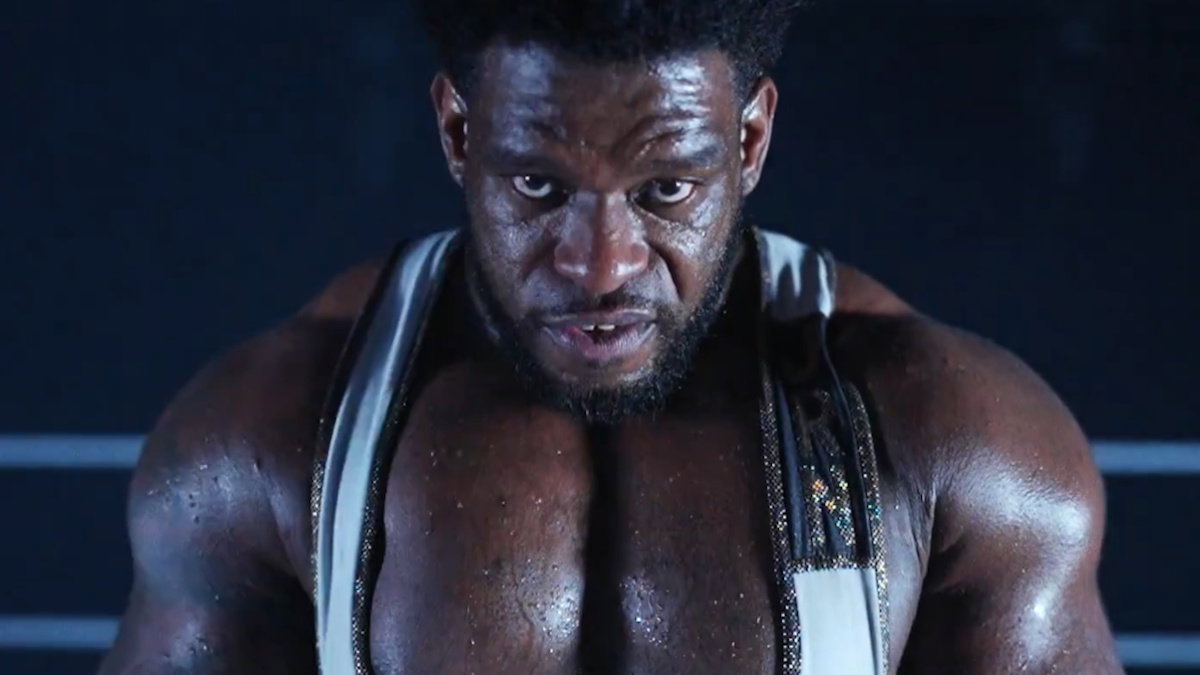
WWE is currently mired in a game of administrative whack-a-mole that suggests a lack of long-term vision. We see it with the recent trademark filings for EVIL, where the company appears to be throwing monikers at the wall to see which one sticks. Internal confusion regarding a performer's identity is rarely a sign of a smooth creative rollout.
A wrestler needs internal security to project external dominance. When the front office cannot settle on a name for a debutant, the audience senses that instability. If the creative direction shifts every time a legal team finds a copyright conflict, the character inevitably loses their initial momentum in the opening weeks.
The cost of talent turnover and identity reclamation
The recent departures have turned the trademark office into a battleground for branding rights. Nikki Cross filed trademarks for Nikki Storm and Best In The Galaxy mere days after her exit. It is a necessary move, but it serves as a sharp reminder of the power imbalance when a wrestler leaves a major promotion.
This cycle of filing, releasing, and rebranding is a drain on the industry. When PWInsider reported on these filings, it highlighted just how much administrative friction follows a release. Independent wrestlers looking to build equity in their name are forced to start from zero when they hit the open market.
The WWEID experiment carries significant risk
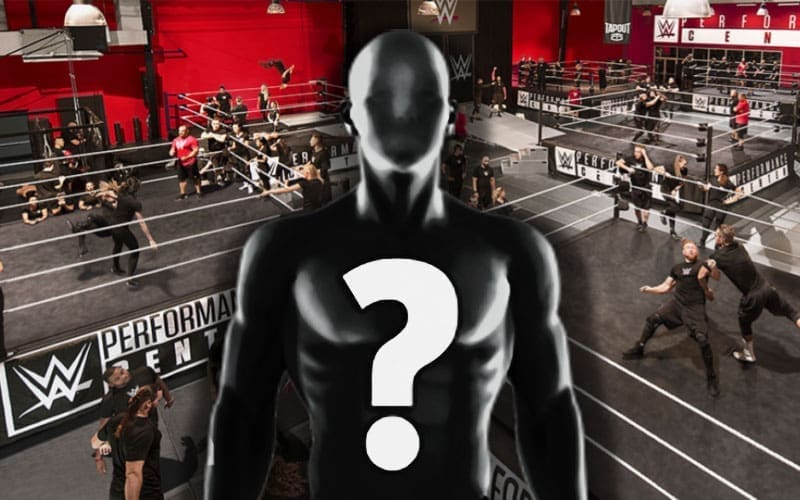
The WWEID program is attempting to standardize prospect development, but it faces scrutiny regarding its impact on independent promotions. If the pipeline effectively siphons off the best talent without providing them adequate main-roster exposure, the indie circuit dies a slow death. We are looking at a system where quantity is prioritized over refined character work.
Conversely, for performers like Royce Keys, a name change tethered to family history can be a massive catalyst. Keys notes that the transition from his previous identity was a personal motivation. When the connection is authentic, fans buy in immediately. The issue arises when the name is a corporate mandate rather than an organic evolution.
Predicting the creative fallout
Looking toward Backlash on May 9, the roster feels thin in areas where these rebrands should be flourishing. The reliance on legacy talent is safer, but it stops the company from building viable challengers for the next year. If the creative team keeps oscillating on names, the mid-card will remain a revolving door of indistinct characters.
My prediction: The EVIL rebrand will land with an underwhelming thud during a mid-show segment at Backlash. Expect a lack of crowd reaction rooted in confusion rather than indifference. Until management settles on a clear identity for these prospects, the casual observer will struggle to invest in the product. The talent is capable; the paperwork is the barrier to their success.