The end of the pricing bubble at Allegiant Stadium
For the last two years, following a WWE show has felt less like tracking a sport and more like watching a luxury real estate auction. The TKO era has been defined by the 'record gate' metric. Every PLE ended with a press conference where Triple H or Nick Khan would boast about the highest-grossing gate in history. But that strategy had a ceiling. It seems we finally hit it just 11 days before WrestleMania 41 kicks off in Las Vegas.
The report from WrestlingNews.co regarding WWE’s plans to lower ticket prices is the first admission that the 'platinum pricing' model has failed. You can only squeeze the base for so long before the secondary market collapses and you are left with visible gaps in the hard-cam view. In a city like Las Vegas, where the average hotel room during WrestleMania weekend is already trending toward a 12% price cut to attract last-minute travelers, WWE realized they were about to price themselves out of their own party.
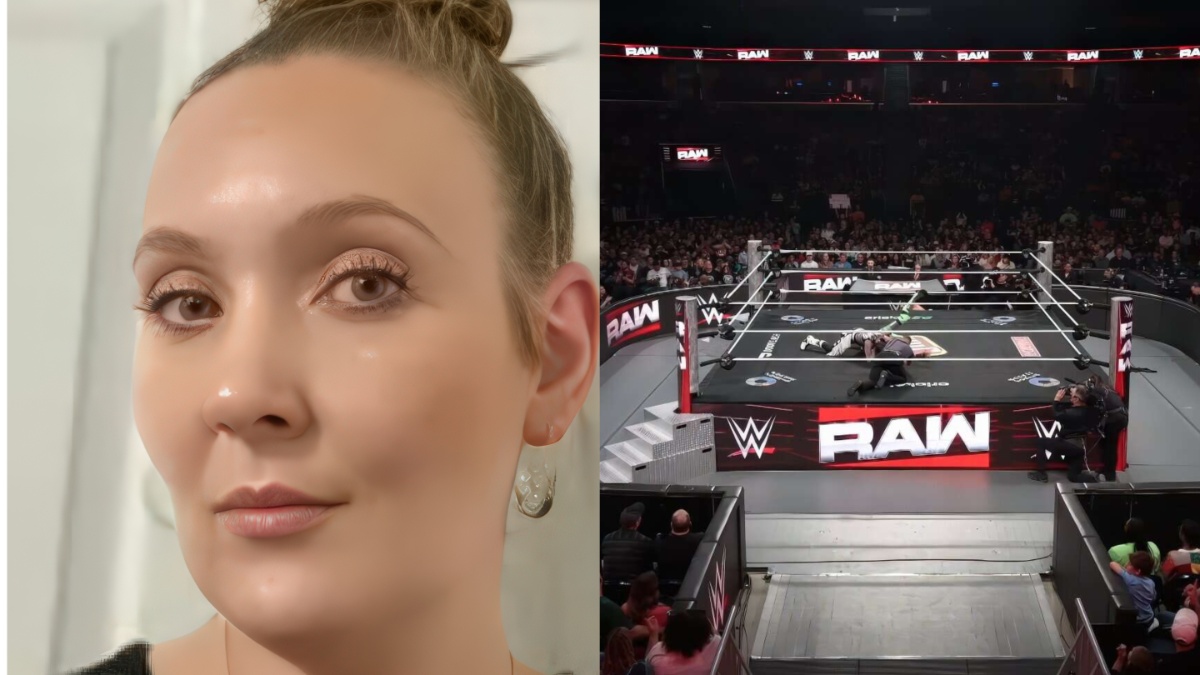
I’ve been tracking the seat maps for Allegiant Stadium since they went on sale. Three weeks ago, the upper bowl was a sea of blue 'available' dots. The nosebleeds were listed at prices that would have bought you a floor seat during the Ruthless Aggression era. By lowering the entry point now, WWE is pivoting. They are trading the ego of a record 'average ticket price' for the necessity of a packed house. It is a tactical retreat, and it is the smartest move they have made this year.
The Netflix mandate and the visual economy
Why now? The answer is simple: Netflix. As we move into the streaming era, the value of a WWE event isn't just the cash collected at the turnstile. It is the 'vibe' transmitted to millions of global subscribers. A half-empty stadium in Las Vegas is a brand disaster for a company trying to prove they are the hottest property in sports entertainment. Netflix doesn't care about a $41.2 million gate if the crowd sounds like a library because half the seats are empty.
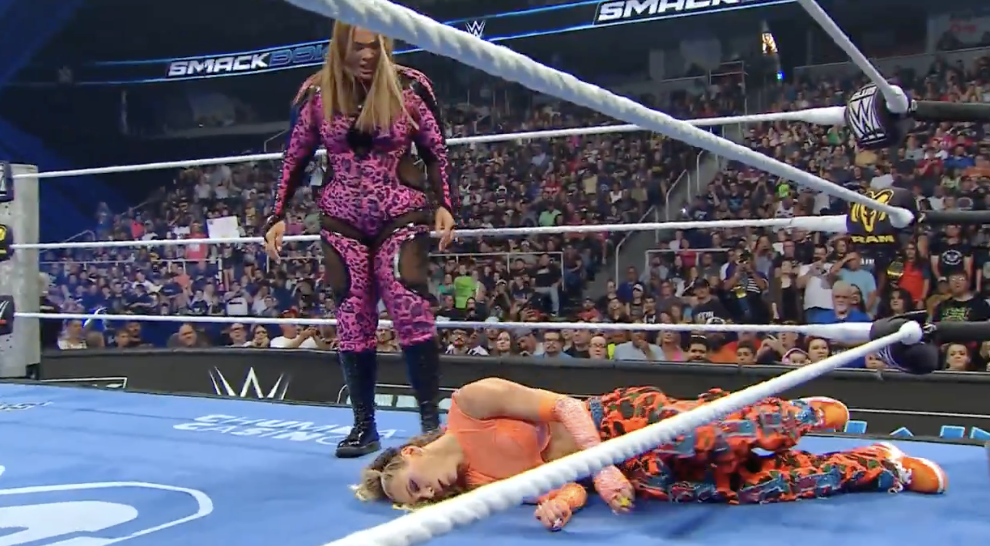
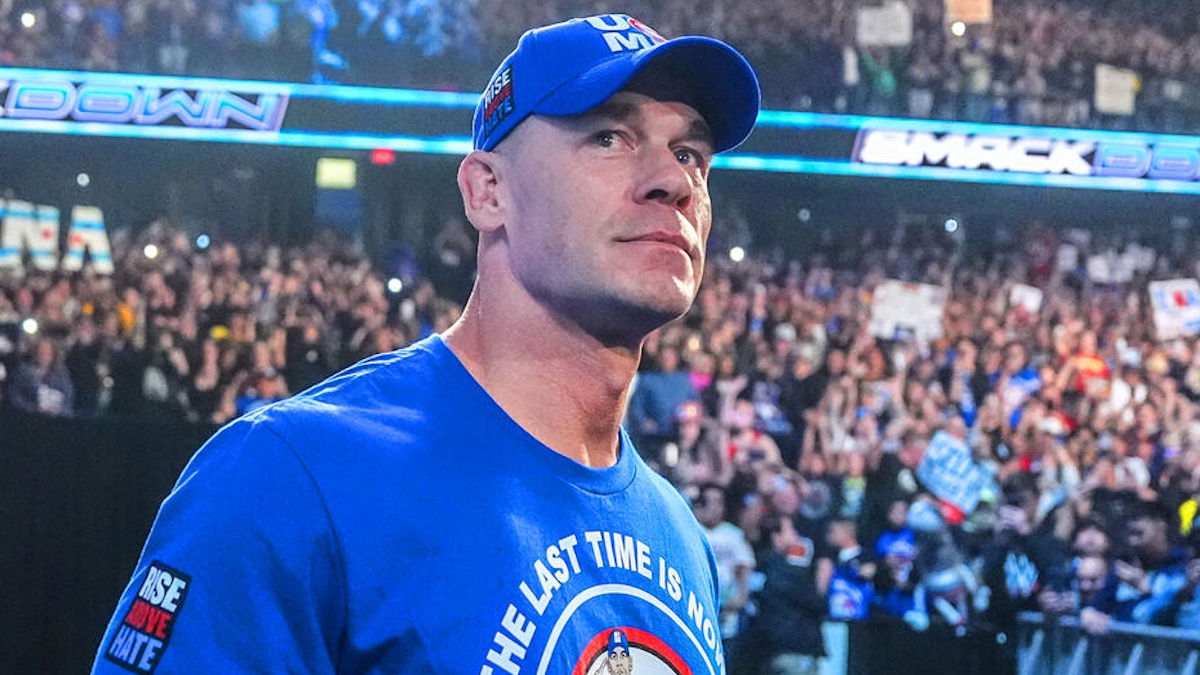
We saw this problem at some of the recent Smackdown tapings in smaller markets. When you charge $200 for a seat behind the curtain, families stay home. The result is a dead arena. For WrestleMania 41, which features the start of John Cena’s farewell tour, the energy needs to be at a fever pitch. You need the 12-year-olds in the front row wearing the new 'Cena 2026' merch. You don't get that when only the crypto-whales and corporate sponsors can afford to walk through the gates.
The move to lower prices is specifically targeted at the 'get-in' price. By dropping the cheapest tickets to a more reasonable $45 entry point, they are ensuring that the upper tiers are filled with loud, passionate fans rather than empty plastic. This isn't generosity. It is set dressing. They are buying a better television product by subsidizing the attendance of the people who actually make the most noise.
The critical failure of dynamic pricing
Let’s be honest about the negative side of this. This price drop is a slap in the face to the 'early adopters' who bought tickets the day they went on sale. Those fans paid the 'platinum' premium, thinking they were securing their spot for a historic event. Now, they are sitting next to people who paid 40% less for the exact same view. It is a messy, inconsistent way to run a box office, and it reeks of poor forecasting by the TKO analytics team.
The dynamic pricing algorithm was supposed to maximize revenue by adjusting to demand. Instead, it created a standoff. Fans became smart. They realized that if they waited until ten days before the show, the 'desperation discounts' would kick in. WWE has effectively trained its audience not to buy early. This is a dangerous game. If the 'hardcore' fans stop buying at launch, the entire financial structure of these PLEs becomes unstable. You can't run a business on last-minute fire sales.
Furthermore, the 'premium' experience has been diluted. When you pay $500 for a mid-level seat and realize the person three rows down paid $200, the resentment lingers. This is the first major crack in the Nick Khan 'efficiency' model. It turns out that wrestling fans aren't just numbers on a spreadsheet; they are a community with a very long memory for when they feel they've been fleeced.
Prediction: A hollow record in the desert
Despite the pricing drama, WrestleMania 41 will be a massive success on paper. My prediction is that WWE will announce a record 'paid attendance' for Allegiant Stadium, likely pushing past the 68,000 seats mark for both nights. They will do this by papering the house where necessary and using these price cuts to fill every corner. But the internal metrics will show a different story.
We are going to see a significant drop in the 'revenue per head' compared to WrestleMania 40 in Philadelphia. The gate might still be huge, but the profit margins are being squeezed by the rising costs of production in Vegas. WWE is choosing to take a hit on the ticket revenue to ensure the 'Netflix era' begins with a visual of total dominance. It is a sacrifice of immediate cash for long-term brand perception.
Expect Cody Rhodes to retain in a match that relies heavily on the 'big stadium' feel. Expect Cena to have his 'WrestleMania moment' in front of a crowd that feels like it’s on the verge of a riot. The price cuts will ensure the noise is there. Just don't expect the TKO shareholders to be as happy as the fans in the cheap seats. This is a correction that had to happen, but it proves that even the biggest wrestling company in the world can't ignore the reality of a fan's wallet forever.