The morning the pricing bubble finally burst for TKO
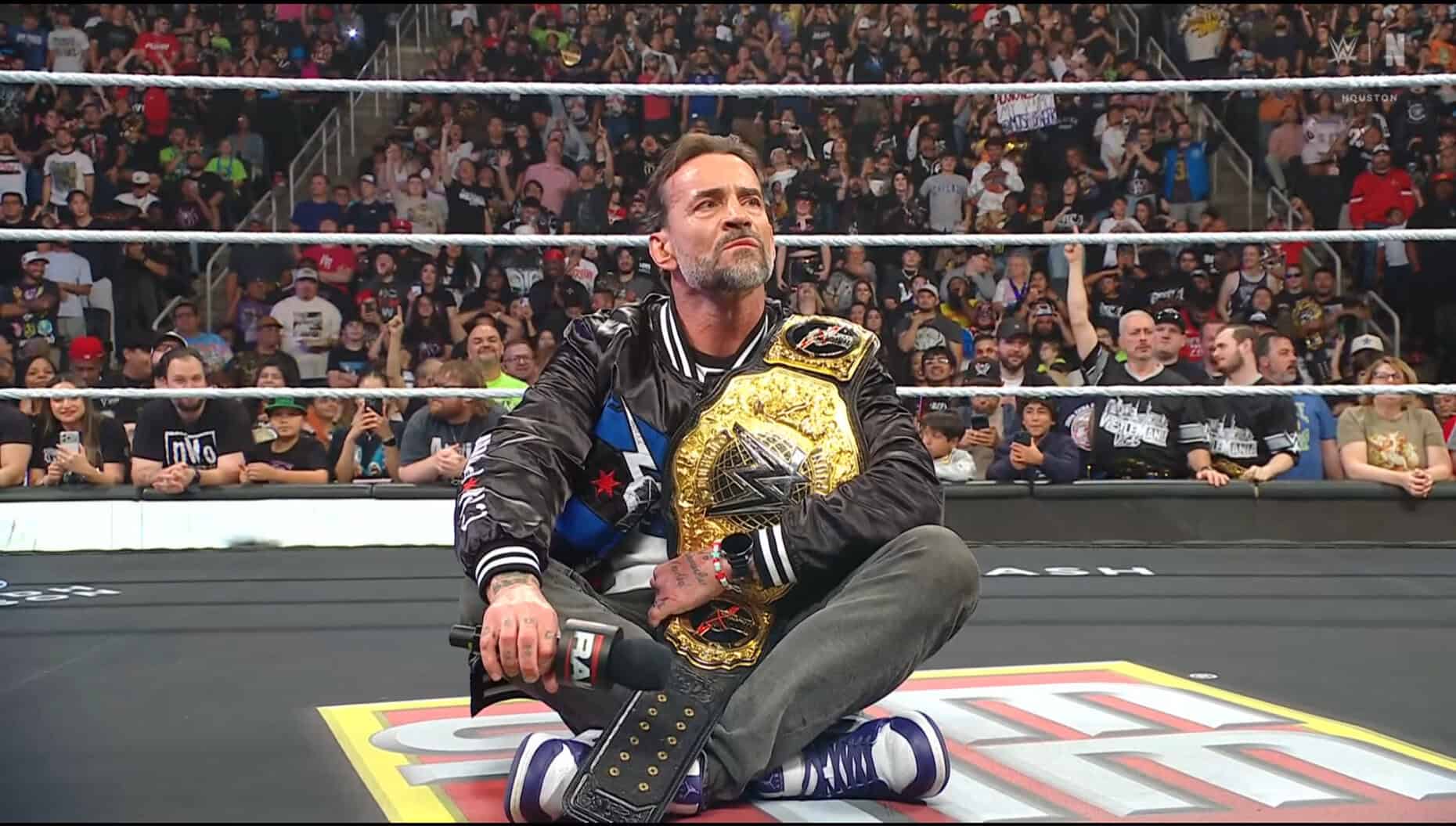
At 8:14 PM on April 6, 2026, the corporate narrative of 'record-breaking gates' hit a wall made of reality and social media community notes. During a RAW broadcast that was supposed to be the final hype train for WrestleMania 41, CM Punk did what he does best—he went off-script regarding the one thing WWE executives never want to discuss publicly. He mentioned the price of the tickets. Specifically, he acknowledged how much it cost the people in the building to simply sit there.
By the time the West Coast feed aired, that line was gone from the official YouTube and social media clips. But as Ringside News reported, the attempt to sanitize the moment backfired spectacularly. Fans on X immediately flagged the edit, resulting in a humiliating Community Note that pointed out the company's attempt to hide the dialogue. It was a clumsy, transparent move that signaled one thing: the office is terrified that the fans have finally reached their financial breaking point.
The timing isn't a coincidence. We are 12 days away from WrestleMania 41 in Las Vegas, an event that has seen some of the most aggressive pricing structures in the history of the industry. When you ask a fanbase to shell out four figures for a stadium seat in Nevada, you shouldn't be surprised when the following month's show in a B-market struggles to move the upper bowl at original MSRP. The elasticity of the wrestling fan's wallet has been tested to its limit, and the snapback is starting right now.
The strategic retreat into a lower-cost summer
According to reports from F4WOnline, the directive has already been handed down to the ticketing departments. WWE is looking to aggressively lower prices through the summer months of 2026. This isn't a gesture of goodwill; it is a tactical necessity to prevent the 'empty seat' aesthetic that plagued the pre-2022 era. The company has spent two years bragging about sell-outs, but the data suggests that 'demand' was actually 'speculative pricing' that has finally cooled off.
The sales concerns are legitimate and localized. While the 'Big Four' events remain bulletproof due to their status as travel destinations, the weekly TV tapings for RAW and SmackDown are seeing a distinct cooling. Internal metrics likely show that the 'casual' fan, the one who brings a family of four, has been priced out of the arena. When a mid-level seat at a random Monday night show costs as much as a monthly car payment, the conversion rate for ticket sales drops off a cliff after the initial pre-sale surge.
The Vegas Hangover and the WrestleMania effect
Las Vegas is an expensive city, and WrestleMania 41 is an expensive weekend. Fans traveling for the John Cena farewell tour or the Cody Rhodes title defense are dumping their entire 2026 entertainment budget into that 48-hour window. This creates a massive vacuum in the market for the shows scheduled for May and June. WWE's decision to slash prices is an admission that the 'WrestleMania bounce' won't be enough to carry the weight of their current pricing model.
We are seeing a shift from 'Max Revenue per Seat' back to 'Max Occupancy for TV.' In the Netflix era, having a packed, loud arena is more valuable for the broadcast partner than squeezing an extra twenty dollars out of a fan in the nosebleeds. If the crowd looks sparse or sounds dead because the building is half-empty, the product's perceived value drops. The 'sold out' sign is a marketing tool, and WWE is realized they can't afford to lose it just to maintain high average ticket prices.
The CM Punk factor and corporate sensitivity
Why edit the line? That is the question that exposes the insecurity at the top of the TKO hierarchy. CM Punk mentioning ticket prices is a reminder that the product is a commodity, not a religion. When he acknowledges the cost, he breaks the fourth wall of the corporate spreadsheet. The decision to cut that line shows a company that is remarkably thin-skinned about its public image during a period of transition.
The decision to edit Punk’s promo wasn’t about the flow of the show; it was a desperate attempt to protect a narrative of infinite growth that the internal sales reports are already starting to contradict.
This sensitivity is a massive red flag for investors and analysts. If the business were as healthy as the press releases claim, a throwaway line from a top star wouldn't require a midnight editing session. The fact that fans caught it and the 'Community Note' went viral is a self-inflicted wound that makes the company look dishonest. It turns a minor comment into a headline about 'sales concerns' that will now follow them until the quarterly earnings call.
Predicting the Summer of 2026: A 15% correction
Here is how the next four months will play out. WWE will announce a series of 'special summer promotions' and 'family packs' designed to hide the fact that they are essentially running a fire sale on their inventory. The goal will be to keep the attendance numbers high to satisfy the Netflix executives who are watching the 'optics' of the live crowd. However, the 'Gate' numbers will tell a different story by August.
- Attendance will stay steady at roughly 9,000 to 11,000 per TV taping.
- Average ticket price will drop by 18% compared to the same period in 2025.
- Concessions and merchandise sales will see a slight uptick as fans have more 'leftover' cash after entering the building.
- Secondary market sites like StubHub will see a massive influx of tickets as the 'scalper' market realizes the 2023-2024 gold rush is over.
The prediction is clear: WWE will claim this was a planned strategy to 'give back to the fans' during the summer, but the reality is a forced correction. By the time we hit SummerSlam, the company will be reporting record 'attendance' but their live event profit margins will be thinner than they have been in five years. The era of the $200 'cheap seat' for a random SmackDown is officially dead.
Final tactical analysis: The flaw in the machine
The critical failure here wasn't the pricing—it was the arrogance. WWE believed they could charge premium prices for a product that still relies on a working-class demographic. You cannot maintain 'prestige' pricing on a weekly basis when your content is 52 weeks a year. There is no 'off-season' for the fan's wallet, and the CM Punk incident proved that the performers are more in tune with the audience than the people in the suites.
Editing out the truth doesn't change the bank statement. WWE is heading into a summer where they will have to work twice as hard for 80% of the revenue they expected. This is the first real 'correction' of the TKO era, and how they handle the optics of this 'slash and burn' pricing strategy will define their reputation for the rest of the decade. The fans won the first round; now let's see if the booking can keep them coming back once the tickets are actually affordable again.
Read Next
- WWE is teasing a massive mystery signing for the WrestleMania ladder match
- Stephanie McMahon’s Raw return just blew the WrestleMania 41 debut rumors wide open
- CM Punk just nuked the Raw road to WrestleMania
- The leaked Triple H texts reveal the ugly truth about the WWE power struggle
- 🏆 WrestleMania 41 — Full Coverage Hub
- 💊 CM Punk WWE 2026 — Best in the World