One Vacated Title, One Billion-Dollar Question
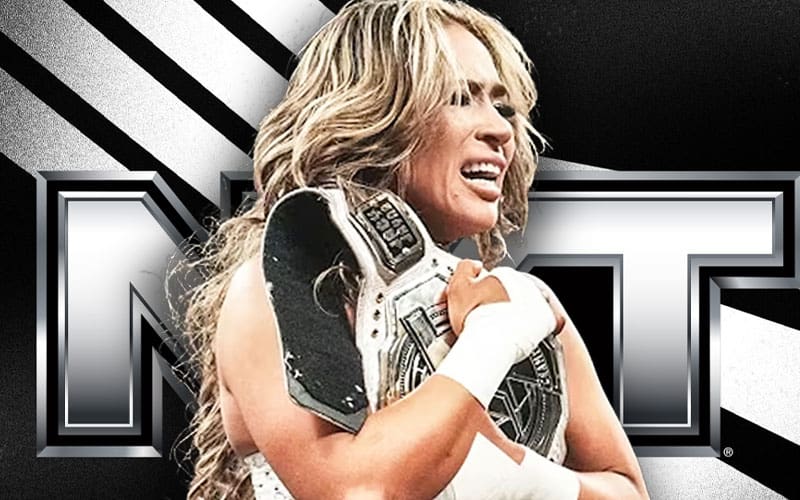
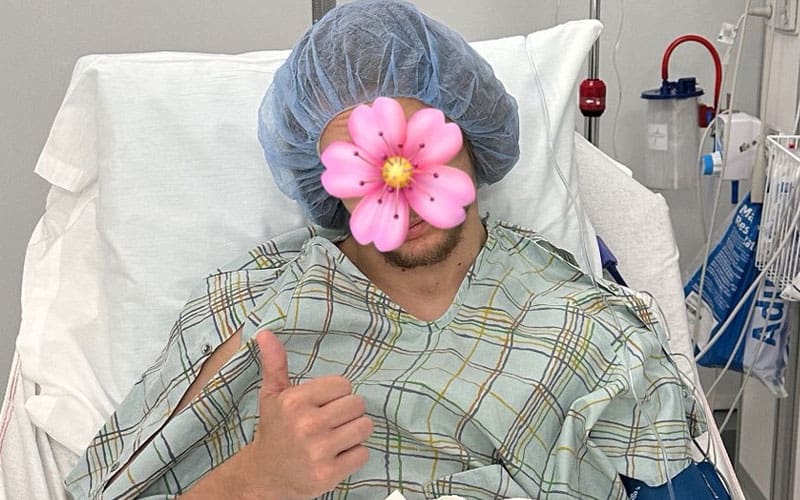
An NXT championship is vacated. A rising star, Elio LeFleur, announces he has undergone successful surgery. For the casual viewer, it's a minor storyline disruption. But for the TKO Group Holdings executives watching from Endeavor's boardrooms, it's a reminder of the single biggest risk to their multi-billion dollar asset: the physical fragility of the talent.
This isn't just about one wrestler. It's a data point in a much larger, more worrying trend. As WWE's corporate ambitions soar to new heights, the human cost of the product is becoming the company's most critical, and volatile, metric.
The Ari Emanuel Doctrine
When Ari Emanuel's Endeavor group merged WWE with UFC to create TKO, the strategy was clear: leverage iconic brands to secure massive media rights deals and expand global reach. The early results have been staggering. TKO's initial full-year revenue projections post-merger comfortably surpassed the $2.5 billion mark, driven by enormous deals like the recent Netflix partnership for Monday Night Raw, a deal valued at over $5 billion over ten years.
This is the context behind the recent Hollywood Reporter features on Emanuel and WrestleMania. The media world isn't just covering a wrestling show; they are tracking a blue-chip entertainment asset. The problem is that this asset is built on the backs of athletes in a profession with a near-100% injury rate. Unlike the UFC, where a fighter might compete 2-3 times a year, top WWE talent works over 150 dates annually between TV, premium live events, and untelevised house shows. The sheer volume of work creates a level of physical risk that no other TKO asset faces.
The Digital Lifeline Has Its Limits
The announcement of a new WWE 2K26 trailer in the same news cycle highlights the company's other major revenue pillar: video games. The WWE 2K series is an empire in its own right, having sold well over 80 million copies in its history. This digital revenue stream is predictable and high-margin, a perfect complement to the more volatile live event business.
However, the game's success is entirely dependent on the IP of the real-life wrestlers. A star's value in the game is directly tied to their ongoing story and popularity on television. When a major player like Charlotte Flair suffers a torn ACL, sidelining her for 9-12 months, her digital avatar's relevance begins to fade. The injury to Elio LeFleur halts his momentum, meaning his breakout moment in a future 2K title is delayed, if it happens at all. The digital world cannot be fully decoupled from the physical one.
A Roster in the Red
LeFleur's surgery is not an anomaly; it's the norm. The past 18 months have seen a catastrophic run of injuries for WWE's top stars, representing a critical failure point in the company's business model. At various points, the disabled list has looked like a main event card. CM Punk, the company's biggest merchandise seller of early 2024, tore his triceps just weeks after returning. Former champion Seth Rollins has battled a torn meniscus. Rhea Ripley, arguably the most dominant female star, was forced to vacate her title due to a freak injury. Add in long-term absences for Charlotte Flair, Shotzi, and others, and a clear picture emerges.
This isn't just bad luck. It's a statistical certainty when you combine a physically demanding in-ring style with a grueling, year-round travel schedule. Having 4-5 main-event level talents out simultaneously is no longer a crisis, it's becoming the baseline. The negative observation is unavoidable: the current WWE performance schedule is not sustainable. The drive for more content and more ticket-buying opportunities is pushing the roster past its physical breaking point, leaving the creative team scrambling and the balance sheet exposed.
While Ari Emanuel and the TKO board look at spreadsheets and media rights, the real story is in the trainer's room. The success of WrestleMania 41 and the billion-dollar Netflix deal that follows depends entirely on a roster that is demonstrably struggling to stay healthy. Elio LeFleur's injury is a quiet headline today, but it's a loud warning for the future of the entire enterprise.