The steady hand of Monday Night Raw
We are currently sitting on April 15, 2026, and the professional wrestling world is vibrating with the kind of nervous energy usually reserved for a tech CEO about to drop a buggy beta. WrestleMania 41 is less than a week away. The Allegiant Stadium in Las Vegas is being transformed into a neon-soaked cathedral for the Church of Cody Rhodes. You would expect the television ratings to be screaming toward the moon like a hyped-up memecoin, but the data tells a much more complicated story.
According to reports from Wrestling Inc, the April 6 edition of Raw stayed remarkably consistent. In the corporate world, they call this stability. In the world of high-stakes television production, it feels more like a plateau. When you have John Cena on a farewell tour and CM Punk finally getting his flowers in a major match, staying steady is the broadcast equivalent of a shrug. It isn't a disaster, but it isn't the explosive growth that TKO Group Holdings promised the board when they signed those massive rights deals.
The April 6 show was the penultimate stop for the red brand before the Vegas spectacle. Usually, this is where the casual fans—the ones who only show up for the pyro and the nostalgia—start clogging the pipes. Instead, the viewership numbers just sat there. They held the line. It is a credit to the core audience that they haven't checked out, but it is also a signal that the 'Road to WrestleMania' might be suffering from a bit of creative congestion. We are seeing the same beats, the same promos, and the same 'finish the story' rhetoric that has defined the last three years of programming.
The SmackDown slump is a cold bucket of water
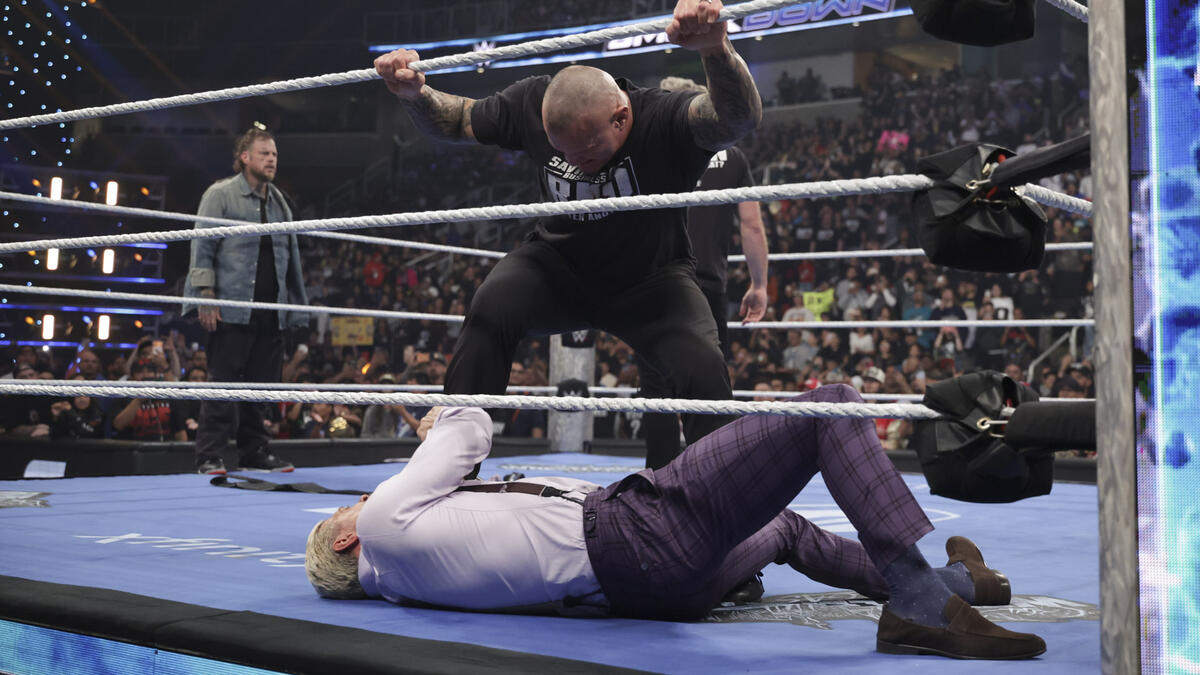
If Raw is the steady ship, SmackDown is currently hitting some unexpected turbulence. Reports from F4WOnline indicate that the blue brand's ratings took a noticeable dip last week. This is the show that carries the Bloodline. This is the show that serves as the primary vehicle for Roman Reigns and the ever-expanding Samoan family tree. To see numbers dropping on April 10, just nine days before the biggest show in the company's history, is a legitimate red flag.
Why is this happening? You could blame the competition. You could blame the fact that everybody is saving their energy for the two-night binge in Vegas. But let's be honest: the creative has felt like it's in a holding pattern. We saw a main event segment last week that felt like a localized repeat of a segment from three weeks prior. There is only so many times you can have a contract signing or a 'face-to-face' confrontation before the audience realizes that nothing of consequence is going to happen until the opening bell at WrestleMania.
The drop in SmackDown ratings suggests that the 'must-see' factor is starting to erode. When the Tribal Chief isn't on every show, the show becomes just another two hours of television. The secondary stories—the US Title picture and the mid-card scrambles—haven't been given the oxygen they need to breathe. We are seeing a top-heavy promotion that is starting to feel the weight of its own hype. If the ratings don't bounce back for the go-home show on April 17, there is going to be some very awkward silence in the Stamford offices.
The Dave Meltzer math problem
Dave Meltzer has been crunching the numbers over at the Wrestling Observer, and his latest analysis of the Raw and TNA ratings suggests a shifting demographic. The P18-49 demo is the lifeblood of this industry, and while WWE is still the king of the mountain, the growth isn't coming from the younger quadrants. It is the legacy fans—the ones who remember the Attitude Era—who are keeping these numbers 'steady.' That is a dangerous game to play when you are trying to sell a new era of sports entertainment.
WWE Raw viewership has been holding rather steady on the Road to WrestleMania, and the April 6 edition of the show continued to prove that.
Meltzer’s analysis points to a strange phenomenon: TNA is actually carving out a niche for itself by being the 'alternative' that isn't as over-produced as the WWE product. While TNA isn't going to challenge Raw for the top spot anytime soon, the fact that they are even mentioned in the same breath as a ratings analysis shows that there is a segment of the audience that is tired of the polished, corporate sheen of the TKO era. They want grit. They want logic. They want a rolling elbow into a Code Red that doesn't feel like it was choreographed by a committee of fifteen writers.
The reality is that WWE is currently fighting a war on two fronts. On one side, they have to maintain the massive viewership required to justify their billion-dollar streaming and broadcast deals. On the other, they have to keep the hardcore fans from drifting away to more 'authentic' products. When SmackDown ratings dip, it isn't just a loss of eyes; it is a loss of momentum. Momentum is the only thing that keeps a storyline like the Bloodline from feeling like a soap opera that has gone on three seasons too long.
Why steady isn't the flex WWE thinks it is
Let's talk about the critical failure here. The 'Road to WrestleMania' is supposed to be a crescendo. It should be a 15 percent increase in viewership every week as we approach the finish line. Instead, we are looking at a flatline on Monday and a decline on Friday. This is a creative failure of the highest order. They have the most talented roster in the history of the business, and they are using them to cut the same 'I respect you but I have to beat you' promos that we’ve heard since the days of Bob Backlund.
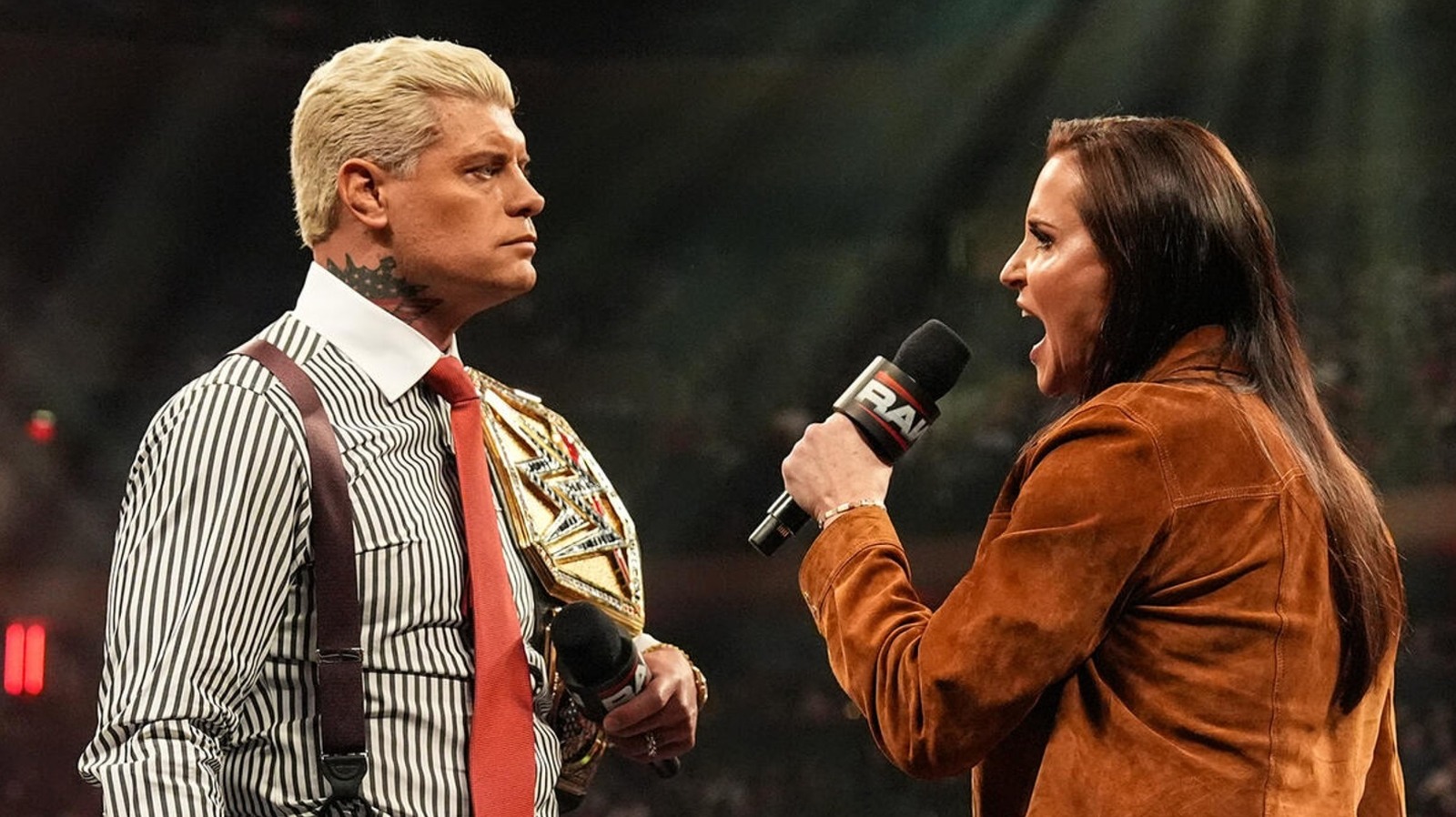
Take the Cody Rhodes situation. He is the face of the company. He is the one who is supposed to be drawing the massive numbers. But if the audience already knows he’s going to win—or if they feel like the journey to the win has been stretched out like a piece of cheap taffy—they stop tuning in for the build. They just wait for the YouTube highlights. This is the 'highlight culture' trap. WWE has become so good at creating 30-second clips for social media that they have forgotten how to make a two-hour television show that demands to be watched live.
The ratings for the April 6 Raw showed that the floor is high, but the SmackDown dip shows that the ceiling is closing in. If the company continues to prioritize 'moments' over consistent, logical storytelling, these dips are going to become the new normal. We are seeing a show that is 80 percent filler and 20 percent progression. That worked in 1998 when there were only four channels and no internet. It doesn't work in 2026 when I can watch a perfectly curated feed of high-spots on my phone while I’m sitting on the bus.
The Vegas gamble
In four days, the conversation will shift. We will be talking about the star ratings, the botched spots, and the emotional payoff of John Cena's farewell. But the suits in the back will be looking at one thing: the minute-by-minute numbers. They need to know if the investment in Las Vegas was worth the dip in television engagement. Because right now, the data suggests that the 'Road' was a bit of a slog.
There is a specific kind of arrogance that comes with being the only game in town. You start to believe that the audience will follow you anywhere, regardless of the quality. But the SmackDown numbers from last week are a reminder that the audience is fickle. If you don't give them a reason to care on Friday night, they won't show up. It doesn't matter how many lights you have in Allegiant Stadium if the people at home are changing the channel to watch a Quarter-Final second leg in the Champions League.
WrestleMania 41 needs to be more than just a big show; it needs to be a reset. It needs to prove that WWE can still grow its audience, not just manage its decline. The 'steady' numbers of Raw are a safety net, but you can't build a future on a safety net. You build a future on growth. And right now, the growth is nowhere to be found in the Nielsen spreadsheets. The clock is ticking, and the 'Road' is about to run out of pavement.
Read Next