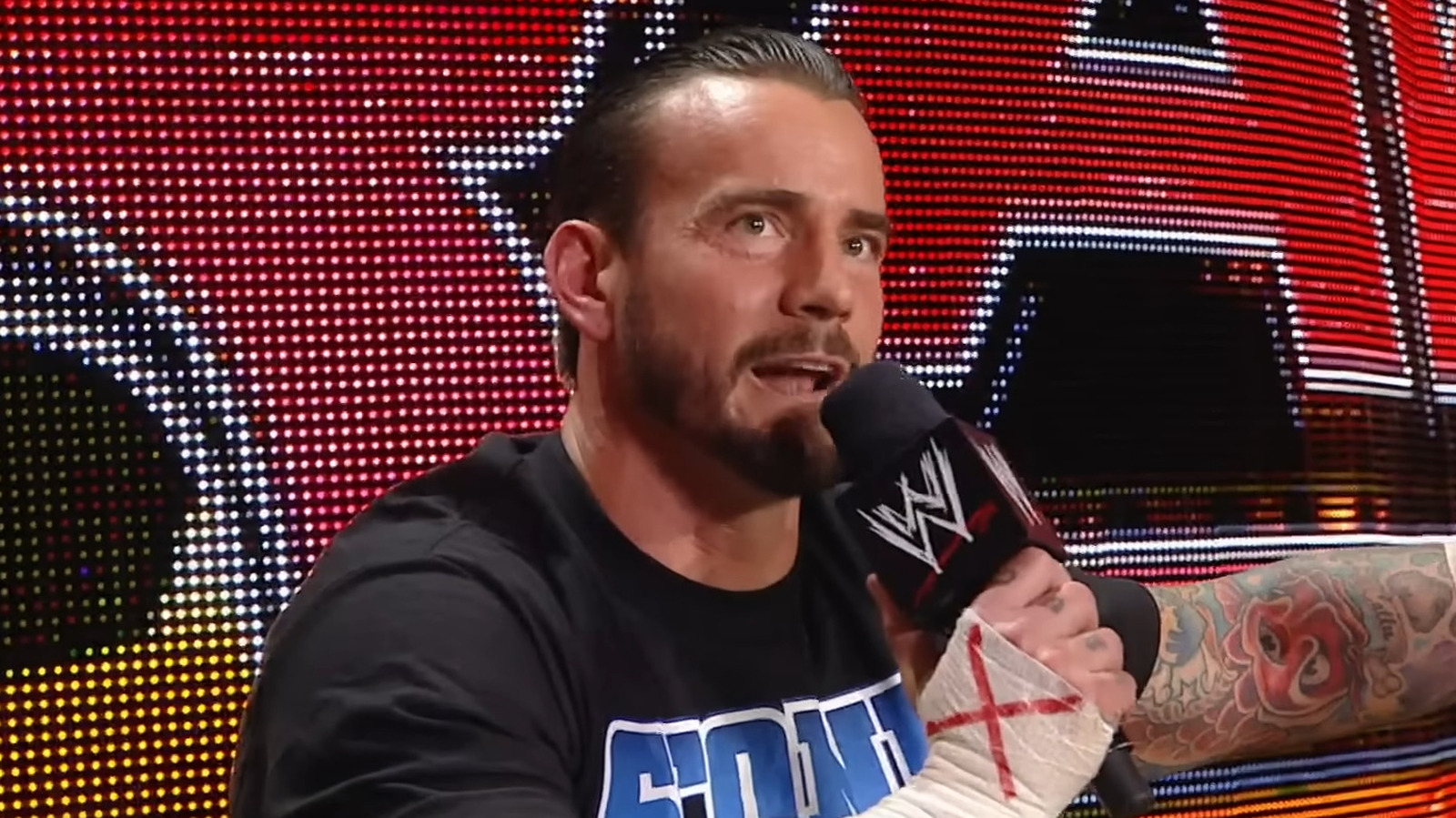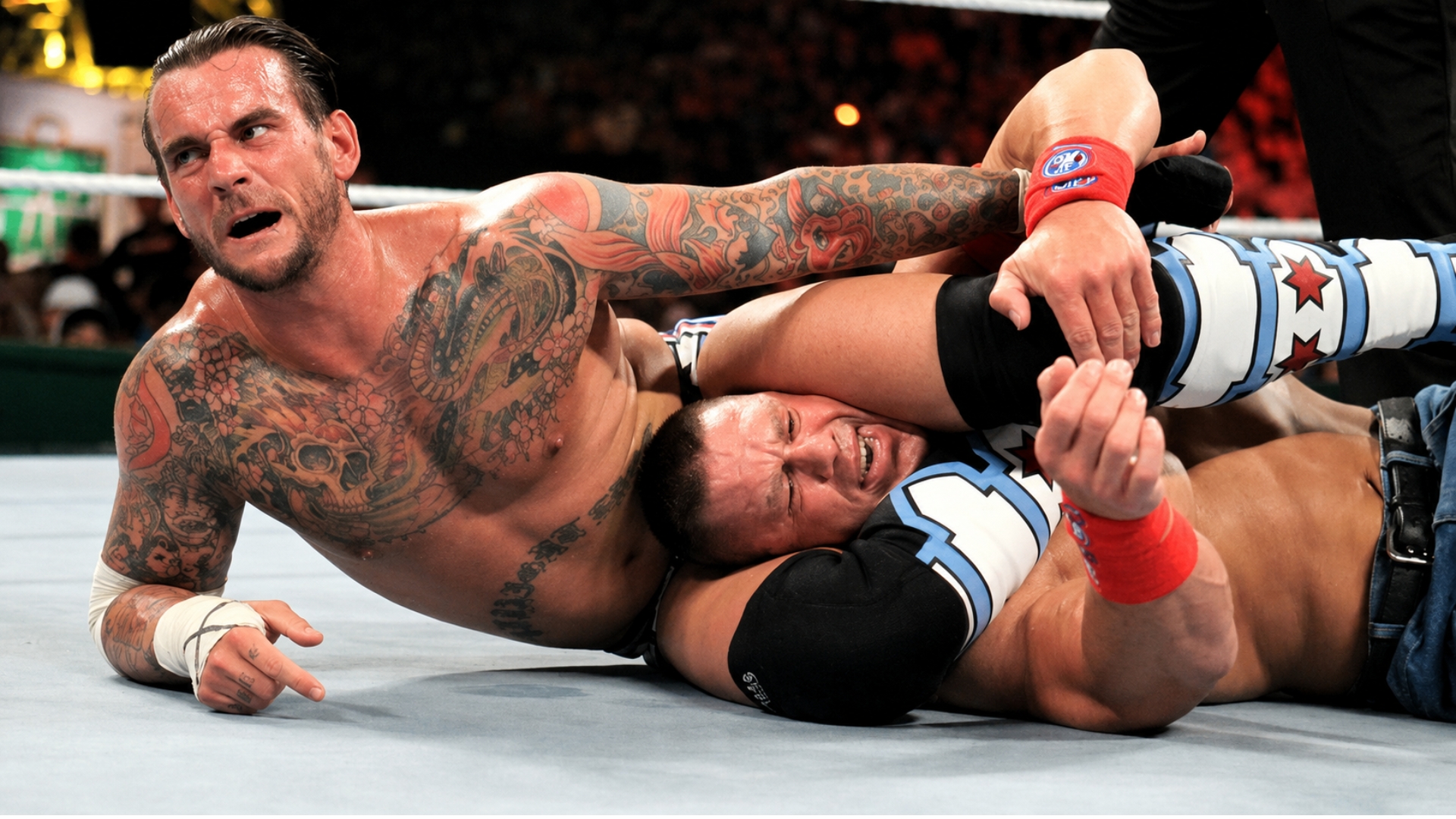
The shadow of 2011 and 2005
Professional wrestling history often relies on a handful of performances to anchor the conversation regarding quality. Recent archival deep dives into the WWE Money in the Bank 2011 classic and the legendary NOAH Destiny 2005 encounter serve as a blunt reminder of this reality. These bouts defined their respective eras by setting milestones for physical intensity and narrative stakes.
CM Punk versus John Cena at Money in the Bank remains the benchmark for modern main events. The Chicago crowd reaction alone serves as a masterclass in atmosphere, turning a simple title match into a cultural moment. While many modern bouts struggle to maintain that level of investment, the structure of that night in 2011 proves that high-stakes stakes are not enough on their own. You need the audience to believe the outcome is genuinely in doubt.
The weight of Tokyo Dome expectations
Shift the dial to July 18, 2005, at the Tokyo Dome. Kenta Kobashi against Kensuke Sasaki was not just a match; it was a collision of Japanese icons that lived up to the hyperbole. Unlike the frantic pacing found in many modern independent circuits, this match showcased the power of gravity and slow-building tension. The stiff strikes exchanged throughout the contest grounded the spectacle, creating an aesthetic that younger performers still attempt to mimic today with varying success.
Critics often point to these moments as evidence that the industry has peaked. That is a lazy reduction. The truth is quieter: booking and execution have become more disjointed in the intervening years. When performers prioritize spot sequences over the underlying psychology that made 2005 and 2011 successful, the result is forgettable programming. We are seeing a trend where athleticism replaces character stakes, and the difference is obvious.
The cost of historical comparisons
Comparing today's product to these relics brings a harsh light to current creative shortcomings. Contemporary match structures frequently suffer from unnecessary length, clocking in well beyond the point of diminishing returns. The brevity of a well-told story is often lost in favor of maximizing TV time, leading to matches that feel like fillers instead of features. When the goal is to hit a certain duration, the pacing suffers.
The physical investment in Kenta Kobashi versus Kensuke Sasaki was such that the crowd had no choice but to respond. It was not a question of clever meta-narrative, but a simple question of who was more willing to endure pain.
The success of the 2005 bout relied on the credibility of both men. Sasaki's rigidity and Kobashi's fiery resiliency created a clear protagonist and foil. Compare that to the often grey, indistinct characters we see on television today. If the audience does not have a clear reason to care about the outcome, the best high-flying maneuvers in the world become white noise.
An industry moving backward?
Perhaps the most damning critique of current booking is the reliance on nostalgia to sell major events. By constantly highlighting these 2011 and 2005 benchmarks, promotions indirectly admit that they are failing to create new high-water marks for the next generation. Fans do not need to be reminded of why wrestling matters; they need to be shown something that forces them to believe it matters right now.
Technically, the wrestling standards have never been higher. Yet, the emotional resonance remains stuck in the past. If the industry continues to prioritize the how over the why, we will see these archival pieces cited for another decade. The talent is present. The booking consistency, however, is a different story entirely.
The 2005 clash at Destiny remains the gold standard for pure power-based storytelling. If current promoters want to reclaim that energy, they should stop looking at work-rate stats and start looking at character stakes. You can have a 5-star rating, but if the fans leave the building without a memory that burns, the match failed. Professionalism means more than just hitting moves properly; it means delivering on the promise of the build-up.