The metrics of a crossover star
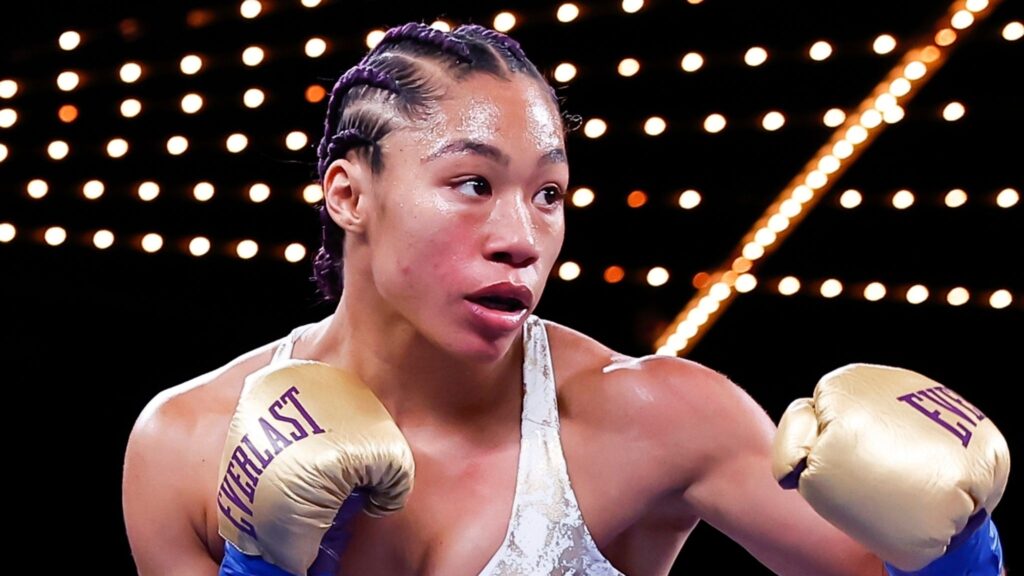
Alycia Baumgardner holds a professional boxing record of 17-1. That singular loss, occurring nearly six years ago, represents the only blemish on a resume currently defined by her status as a unified super featherweight champion. When individuals with that level of combat credibility enter the professional wrestling sphere, the conversion rate is rarely linear.
Ariel Helwani recently floated the possibility of a transition to the ring, and the timing aligns with a shift in WWE talent acquisition strategy. We are witnessing a move toward verified, high-level combat athletes who bring pre-existing brand value. Baumgardner is not just an athlete; she is a draw with a proven ceiling in a saturated sports market.
Analyzing the crossover conversion
Historically, boxers moving to wrestling have faced a steep learning curve regarding ring psychology. The transition from a 12-round format, where the goal is objective physical dominance, to a scripted, multi-staged narrative requires a different set of reflexes. Yet, the physical floor remains high.
We can look at the 17-1 record through the prism of scarcity. WWE currently possesses a dominant female roster, but cross-disciplinary stars command a different premium in pay-per-view metrics. If she transitions, the industry will watch her debut performance metrics, specifically the buy-rate impact during the 2026 cycle.
The booking reality check
Management often struggles to balance legitimizing a crossover star with protecting the established locker room hierarchy. If Baumgardner arrives, does she headline WrestleMania 42, or is she deployed to elevate mid-card feuds? Based on recent reports by BodySlam.net, the conversations are preliminary but significant.
Any move must account for the 94% win-rate she carries into negotiations. A star of her stature cannot be handled like a developmental prospect. Wrestling history is littered with failed crossovers that ignored the fundamental difference between a real fight and a theatrical exhibition.
WWE's interest suggests they value her distinct presence. However, the decision essentially hinges on how quickly she adapts to the choreography of a 15-minute match. She has proven her ability in the ring; the question is whether she can translate that precision into the art of the work.
Given the proximity to WrestleMania 41 in five days, we should expect more public posturing from talent regarding potential future opportunities. Whether this deal closes depends on whether WWE can justify the cost against the potential return on investment. The numbers speak to a high ceiling, but history warns of a difficult landing.