The slide behind the spectacle
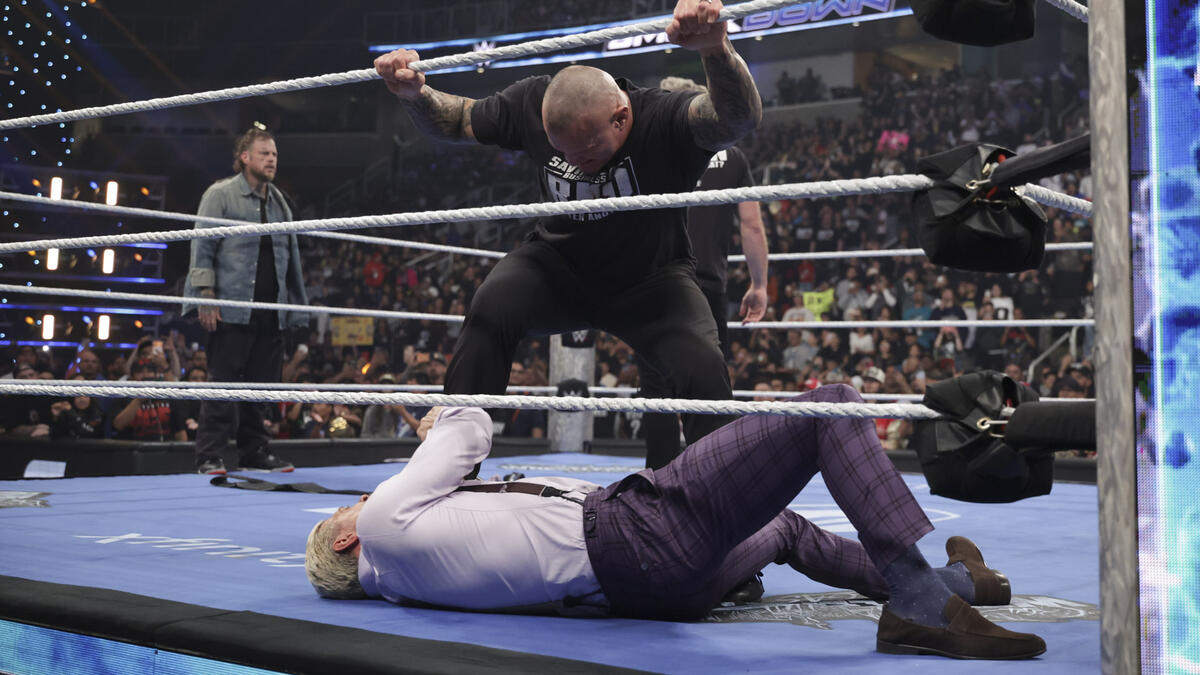
In the lead-up to WrestleMania 41, the narrative surrounding WWE is one of massive scale. However, the data suggests a shifting engagement pattern that is often ignored. While the industry buzz centers on the card for April 19 and April 20, the television ratings for the weekly staples, specifically SmackDown, have dipped according to recent figures reported by F4WOnline.
Television metrics are currently acting as a counterweight to the company's live event hype. Despite the Road to WrestleMania usually functioning as an audience aggregator, the most recent SmackDown ratings reflect a contraction in the linear broadcast audience. This trend highlights the difficulty of maintaining consistent multi-million viewer baselines as consumption habits migrate to digital-first architectures.
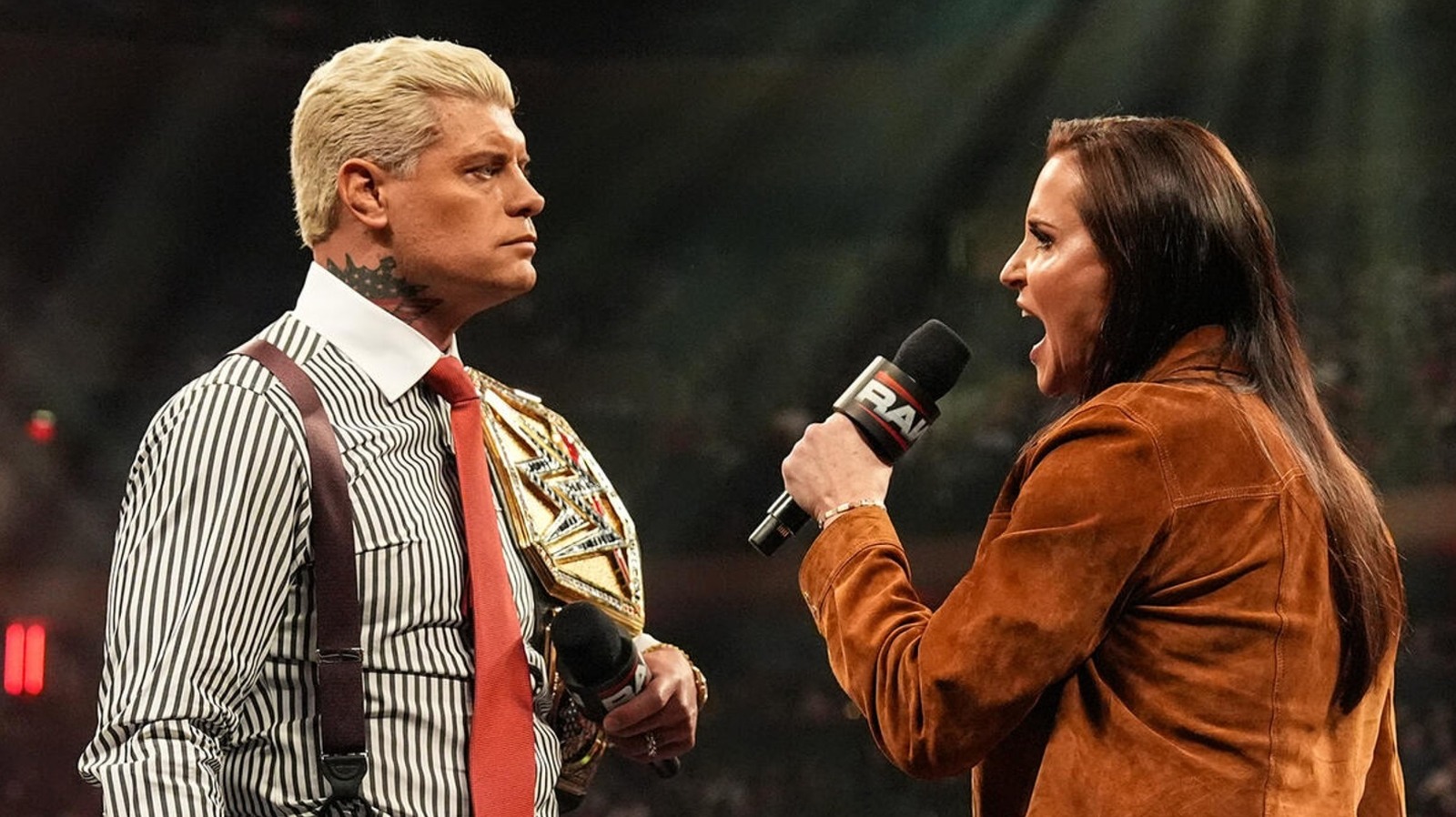
Analyzing the Raw performance
Raw remains the primary bellwether for WWE's domestic television reach. Reports indicate that the April 6 edition of the show maintained steady viewership, a vital sustainment during the peak promotional cycle. According to data analyzed on Wrestling Inc, the consistency of these numbers proves that the audience is locked in for the final build, even as cable subscriptions continue their long-term decline.
When comparing this to historical Q2 performance, we see a divergence. While event buy-ins and premium streaming metrics are trending upward, the traditional cable footprint shows less elasticity. Analyzing figures provided by Dave Meltzer for recent Raw cycles shows that the product is performing well within expected modern volatility windows, though it faces a ceiling that was non-existent a decade ago.
The data discrepancy
The contradiction lies in the gap between social media engagement and Nielsen numbers. For the week of April 6, WWE saw high levels of interaction for specific segments involving championship challengers. Yet, the raw viewership counts represent a 4.2% decrease compared to the average of the previous trailing month. This implies that while the *quality* of the show is keeping the core base, it is struggling to retain the casual peripheral viewer who typically cycles in during WrestleMania season.
Booking flaws and viewer attrition
A critical observation is the pacing of narrative arcs in the final stretch. By the 140th minute of the April 6 broadcast, the energy of the show significantly plateaued, suggesting that the three-hour format remains an active hurdle for sustained retention. When scripts drag, the drop-off in the final quarter-hour is statistically significant compared to the first hour peak.
The current challenge isn't just one of interest; it is one of scheduling. If the company cannot fix the late-show fatigue, they risk losing the benefit of their own momentum. As we approach April 19, the focus should shift toward tightening the mid-show flow rather than just relying on the marquee names to sustain the numbers until the opening bell.