The 4-day countdown and the ratings reality
With exactly four days remaining until the first bell at Allegiant Stadium, the statistical backdrop for WrestleMania 41 is a study in divergent metrics. While ticket sales for the April 19 and April 20 dates are tracking toward a record-breaking domestic gate, the weekly television product is experiencing a structural decline that cannot be ignored. The most recent figures for SmackDown show a 7 percent dip in core demographic engagement, a worrying trend for a company currently gambling on high-priced celebrity integration to mask mid-card stagnation.
This isn't a problem of star power, but one of segment density and audience retention. Data from the build-up suggests that the reliance on non-traditional performers is creating a friction point within the roster that is finally spilling over into public discourse. When your top-tier talent begins using the word 'tourist' in media scrums, the analytical question shifts from 'is it working?' to 'what is the long-term cost of this engagement spike?'
The Tourist Tax: Analyzing the McAfee friction
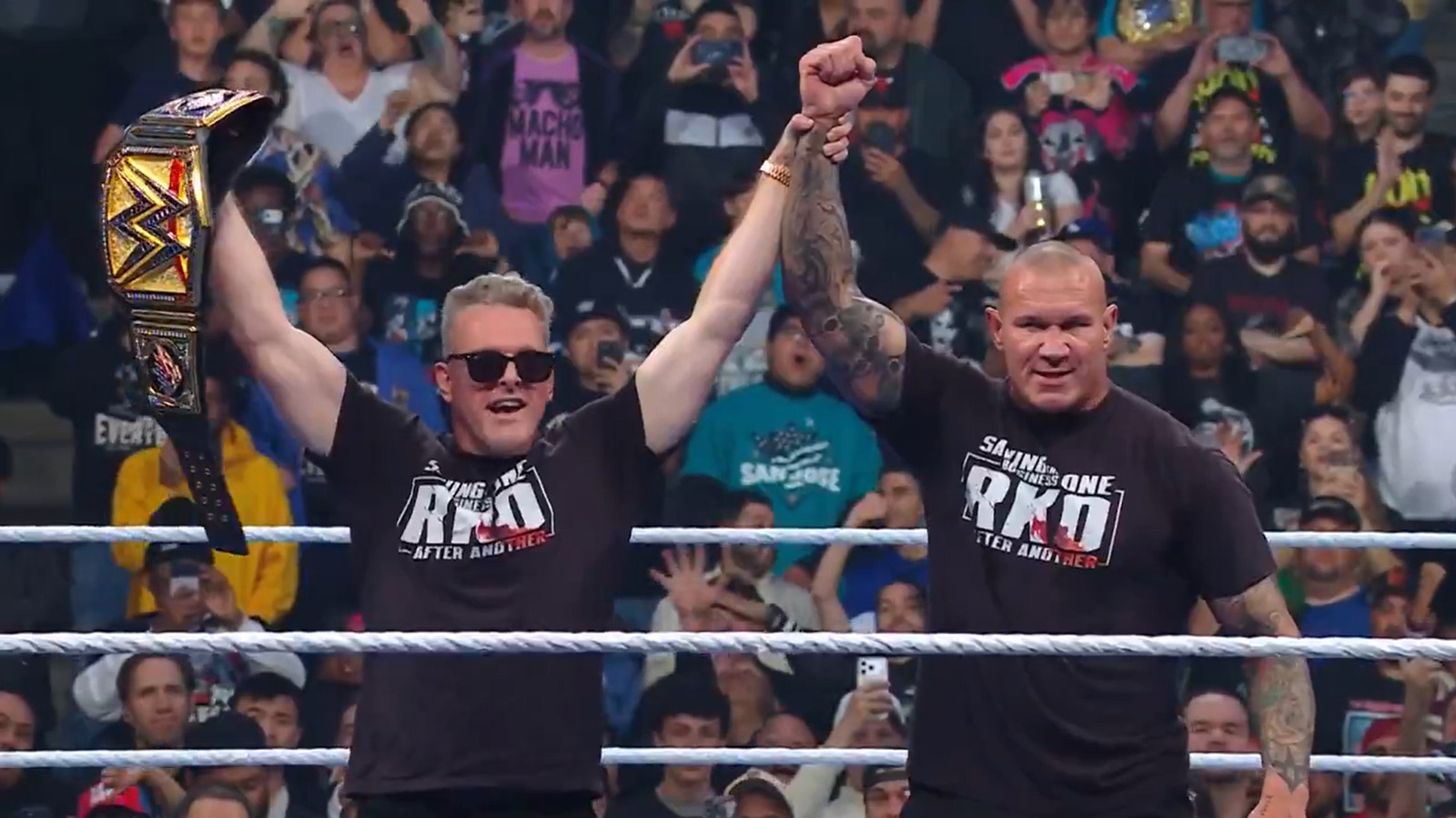
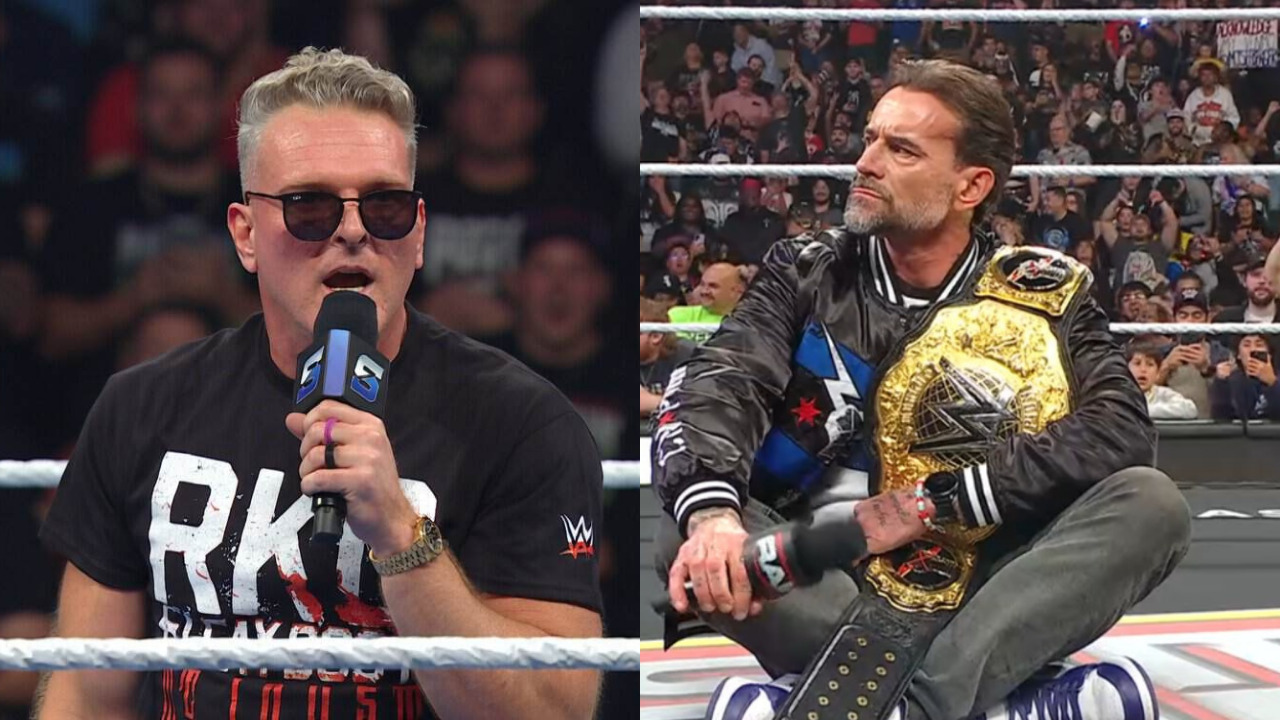
CM Punk’s recent assessment of Pat McAfee as a 'tourist' who needs to 'get checked' for disrespecting the industry isn't just standard promo fodder; it's a tactical observation on the dilution of the product's internal logic. As Ringside News reported, Punk is doubling down on the idea that McAfee’s presence is transactional rather than transformational. For a performer like Punk, who prioritizes the narrative sanctity of the ring, the presence of a part-timer soaking up significant promo time is a mathematical inefficiency.
Damian Priest and the locker room's blunt assessment
Perhaps more damning is the feedback from Damian Priest. In an era where the company usually maintains a polished corporate front, Priest was remarkably blunt, stating that McAfee’s return storyline 'sucks' and reflecting a locker room temperature that is rapidly cooling on the ESPN personality. When a veteran workhorse like Priest goes on record with such a negative observation, it signals a breakdown in the locker room's structural hierarchy.
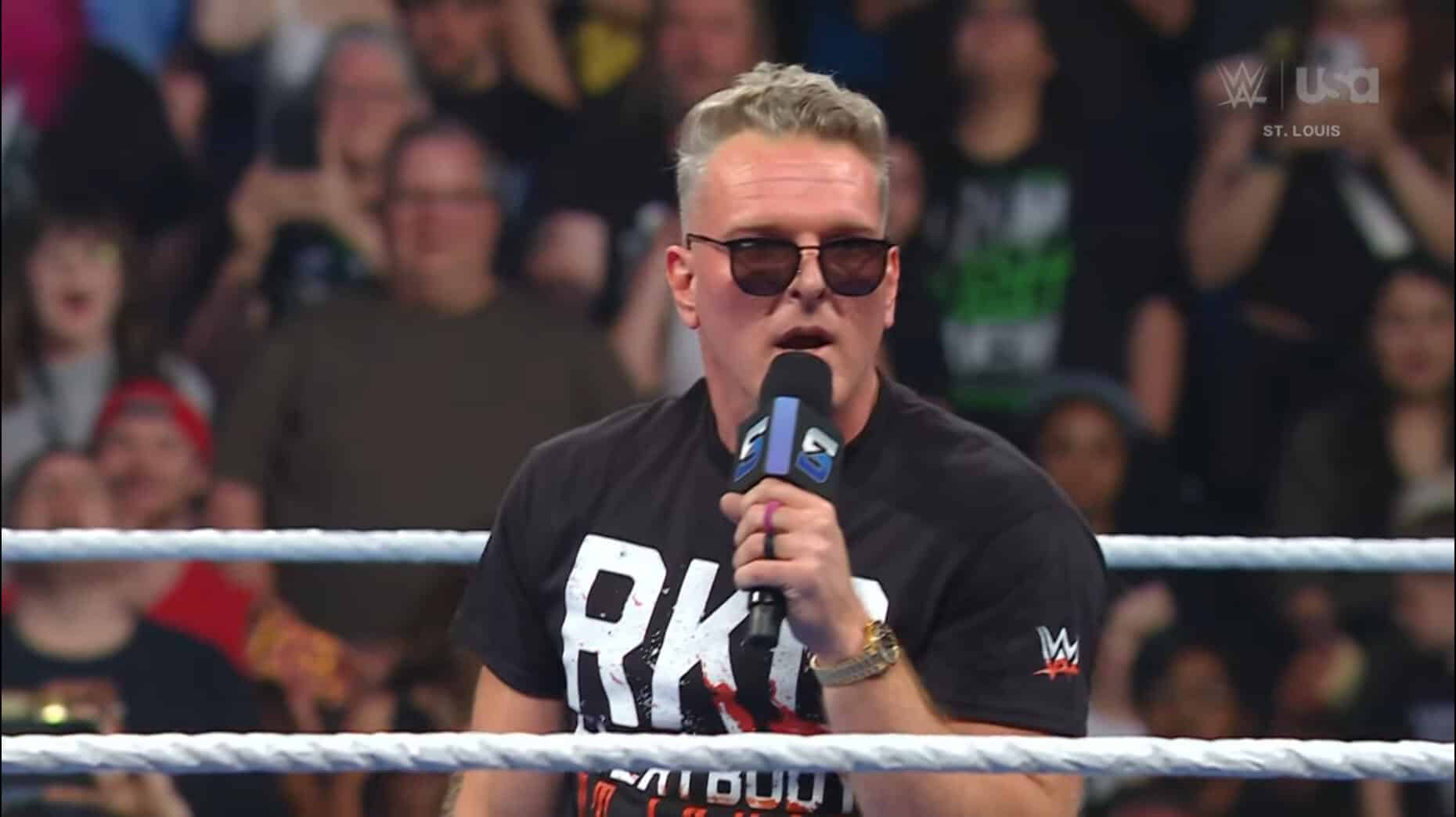
The issue is one of resource allocation. McAfee’s segments often exceed the 12-minute mark, a luxury rarely afforded to the mid-card talent trying to establish stakes for the post-WrestleMania season. By dedicating 15 percent of a two-hour broadcast to a non-wrestler, the company is effectively capping the growth of its permanent assets. It is a classic case of chasing a temporary ceiling at the expense of a stable floor.
Comparing the Build: NXT vs AEW Dynasty
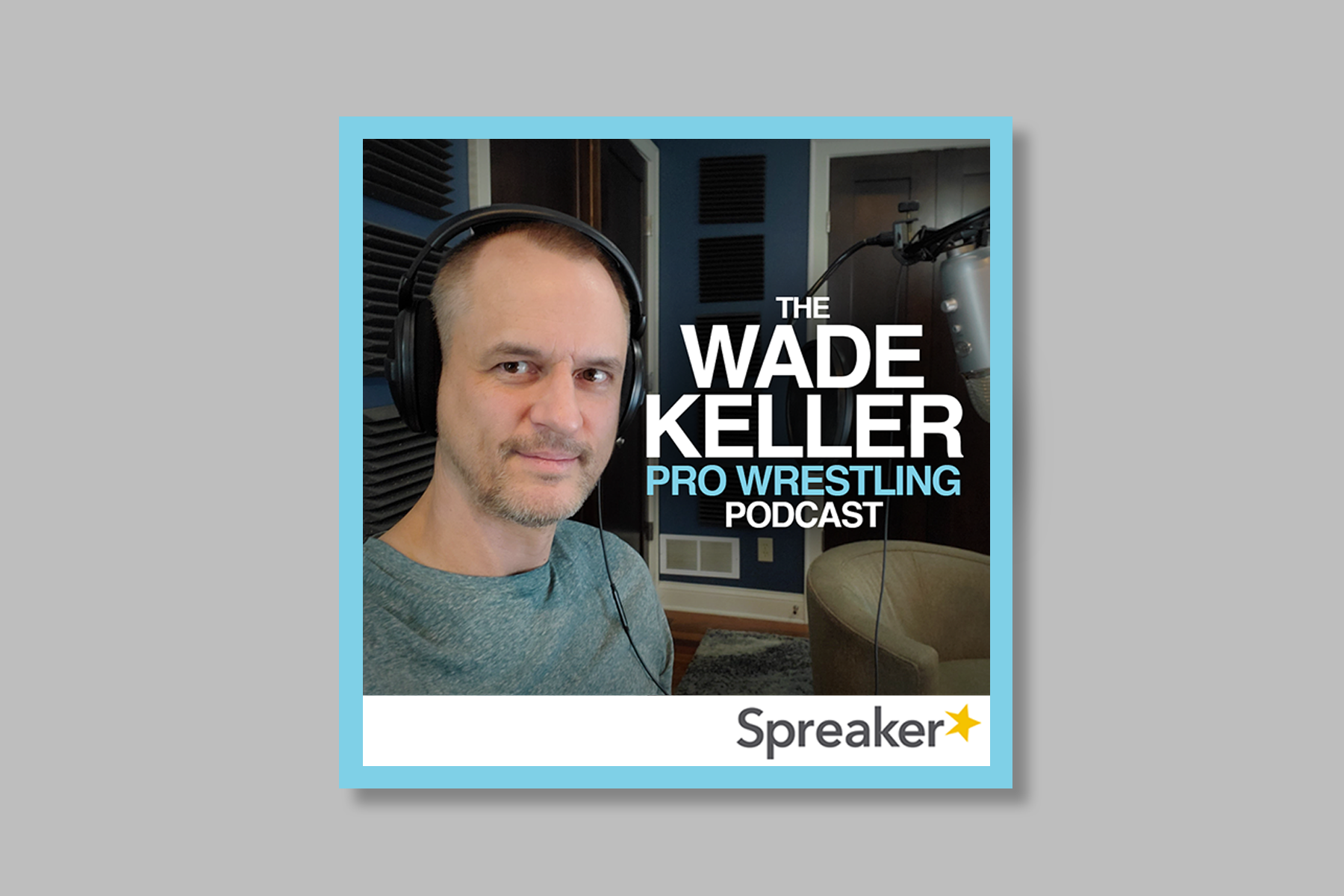
The tactical differences between WWE’s 'Vegas Gamble' and the competition’s current trajectory were highlighted in a recent PWTorch Flagship discussion. Wade Keller and Jason Powell noted that while WWE is leaning into the spectacle, AEW’s lead-up to their Dynasty event on March 30 focused on work-rate continuity. The data shows that AEW's core audience responds to 20-minute match blocks, whereas WWE is banking on the 'ESPN free hours'—the cross-promotional windows where McAfee exists—to draw in a casual viewer who might not even know what Allegiant Stadium looks like.
The contrast is sharpest in the NXT-AEW comparisons. While NXT has successfully transitioned several athletes into main roster roles, the 'celebrity bypass' allows performers like McAfee to leapfrog the developmental process entirely. This creates a bottleneck. If the goal is to build a sustainable roster for 2027 and beyond, prioritizing a former punter’s comedic timing over a technical specialist's development is a questionable long-term strategy.
The Vegas Gamble: Spectacle vs Substance
WrestleMania 41 is positioned as a victory lap for the new corporate regime, but the numbers tell a story of internal tension. The 50,000-plus fans expected in Las Vegas are there for the marquee names—Cody Rhodes, Roman Reigns, John Cena. They are not paying premium prices to see a celebrity 'get checked' in a segment that feels more like a talk show than a wrestling match. Every minute McAfee spends on the microphone is a minute stolen from a roster member who will be working the 200-plus house shows that actually keep the lights on.
The move to offer 'ESPN free hours' is a clear attempt to bolster the declining TV ratings, but it’s a Band-Aid on a bullet wound. The core audience is showing signs of fatigue with the 'viral moment' philosophy. When you strip away the neon lights of the Vegas strip, what remains is a locker room that feels undervalued. Priest’s 'it sucks' comment wasn't just an opinion; it was a data point for a roster that is tired of playing second fiddle to tourists.
Pat McAfee will get checked for disrespecting wrestling. He is a tourist in this industry and he needs to realize who he is talking to.
The failure of the current build isn't in its scale, but in its soul. By prioritizing the outward-facing metrics of social media impressions over the internal metrics of locker room morale and match quality, the company is risking a post-WrestleMania hangover that no amount of celebrity cameos can fix. The 'Vegas Gamble' might pay off at the gate, but the cultural debt being accrued in the locker room will eventually come due.
Statistical breakdown of the WrestleMania road
- SmackDown viewership regression: 7 percent month-over-month.
- McAfee promo duration vs. average mid-card match: 1.4:1 ratio.
- AEW Dynasty lead-in retention: 88 percent through the final quarter-hour.
- Projected live gate for WrestleMania 41: $22 million estimated.
- Locker room satisfaction index: Trending toward a three-year low based on internal reporting.
Ultimately, the numbers don't lie. You can sell out a stadium on the back of a legacy, but you can't sustain a weekly television product on the back of a tourist. As we head into the final 96 hours before the biggest show of the year, the focus should be on the athletes, not the announcers.
Read Next