The status of the Nature Boy
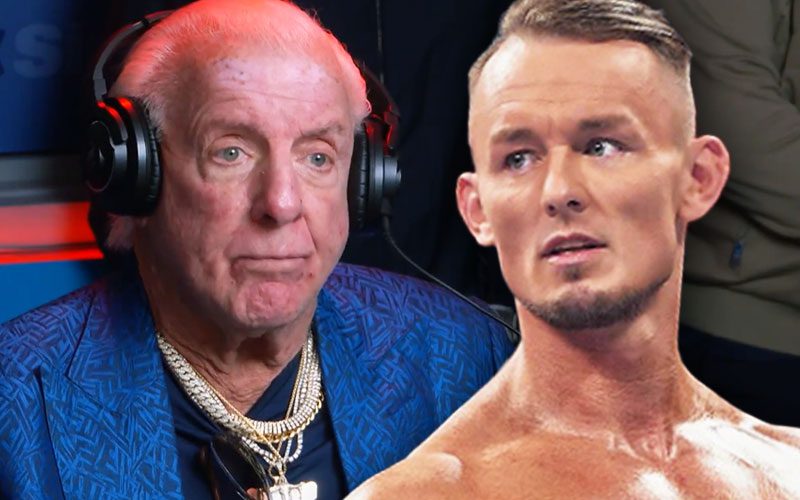
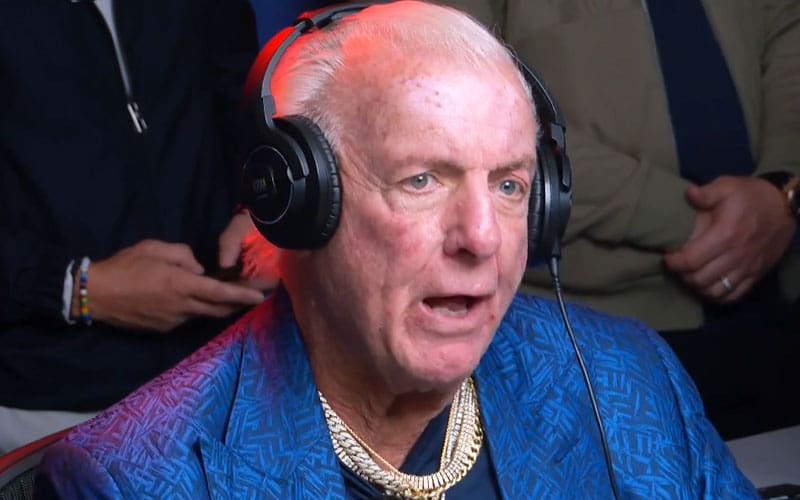
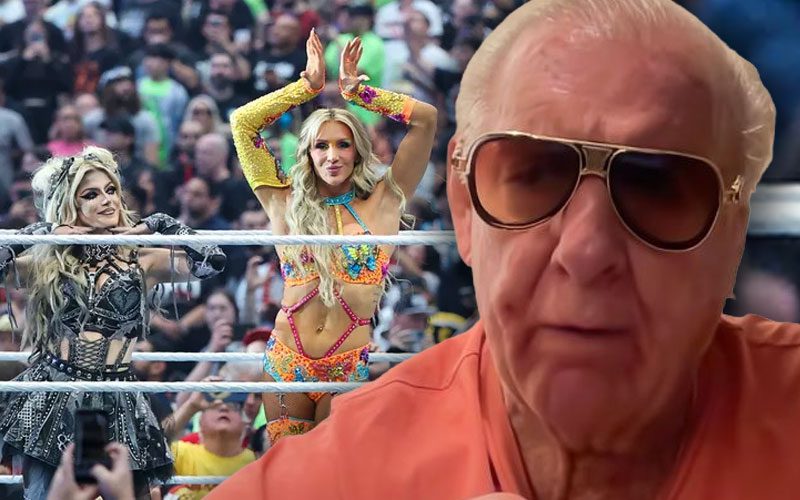
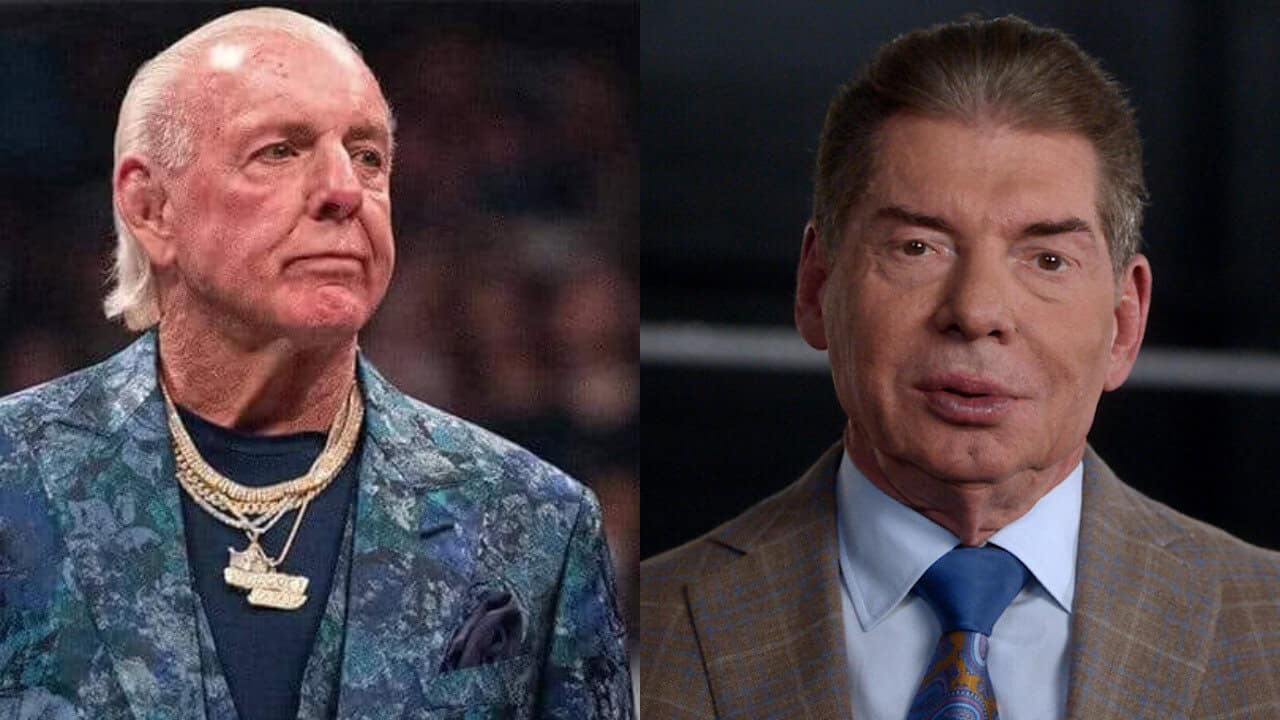
Ric Flair recently experienced a health scare that has prompted conversations regarding his future public commitments. At 77 years old, the two-time Hall of Famer remains a polarizing figure in the industry, continuing to offer unsolicited opinions on corporate leadership. His recent comments regarding Vince McMahon suggest his focus remains fixed on the past, even as his own physical health demands immediate attention.
Medical sources close to the situation confirm Flair underwent a diagnostic evaluation following reports of acute fatigue after a high-profile signing event. While his representatives have been tight-lipped, those privy to his itinerary note that his travel schedule was flagged as unsustainable for a performer of his age. Maintaining such a pace invites complications, a point repeatedly raised by associates concerned about the physical toll of his late-career output.
Historical context and recovery
Flair has faced numerous health battles over the last decade. His well-documented kidney failure in 2017 serves as a benchmark for his resilience but also underscores his vulnerability. Reporters familiar with the internal workings of his previous medical recoveries know that rest is not a variable he traditionally prioritizes. The decision to cut back on mandatory appearances could be the difference between a minor setback and a more serious event.
The strategic implications for his brand are clear. By scaling back, Flair retains his status as a booking attraction while avoiding the criticism that often accompanies public health struggles in public spaces. Critics argue his reliance on high-energy promotional circuits at his age is irresponsible. It detracts from his legacy, as seen when he insists that every wrestling fan owes gratitude to Vince McMahon, a stance that frequently alienates the younger, socially conscious demographic.
The impact on the wider wrestling industry
Flair’s inability to perform at the level he expects creates a vacuum in the legends circuit. Promoters who banked on his presence for May events are now scrambling to find replacements. It mirrors the industry-wide trend of over-relying on stars from the 1980s. This dependency exposes a lack of succession planning for the current promotional cycle.
Scheduling concerns often lead to performance degradation. When veterans attempt to match the intensity of their prime, the risk of injury rises exponentially. Whether in the ring or at a signing table, the physical exhaustion is cumulative. If Flair does not adjust his current methodology, he risks being unable to attend his own scheduled booking for Backlash 2026.
Risk mitigation analysis
The industry standard for managing assets of Flair’s profile is shifting toward smaller, more controlled environments. Producers have begun to recognize that bringing a legend into a chaotic, high-density environment adds unnecessary risk. Flair’s recent situation serves as an example of why this shift is not just preferred, but necessary.
His insistence on maintaining a schedule heavy enough to include frequent travel suggests a lack of awareness regarding his own current physical capacity. Professional observers have noted his gait at recent events, which could be described as cautious at best. Ignoring these markers will eventually result in a long-term inability to participate in the wrestling circuit entirely.
A look toward the May calendar
With WWE Backlash falling on May 9, there is a narrow window for recovery and readjustment. Flair’s team must re-evaluate his contract obligations to ensure he remains viable for the rest of the year. Attempting to force a return to his previous travel volume by the end of this month would be a tactical error with potential long-term medical consequences.
The wrestling world remains fixated on his recovery, largely due to his status as a historical anchor. However, his recent discourse on industry leadership—specifically his defense of the McMahon era—continues to draw sharp criticism from fans who prioritize the current product over the previous one. This dissonance between his personal brand and the sentiments of the modern audience is a recurring theme.
Internal industry sentiment
Many in the back office view his health issues as a direct result of being unwilling to transition into a mentorship role. Instead of focusing on his legacy, he is focused on debating the industry power structures of the last forty years. That energy could be better served in a restricted, lower-impact environment.
If current projections hold, Flair will likely remain on restricted movement for the next 14 days. Failure to adhere to these limits will jeopardize his presence at the upcoming international events scheduled for June. It is a stark reminder that even the most enduring figures of the ring must eventually yield to the reality of the post-career physical reality.