The strategic missteps in Bologna
Giulia arrived in WWE with a reputation built on stiff strikes and a distinct persona cultivated within the Japanese scene. When the company rolls through international markets, the tactical objective should be clear: maximize the local star power. Instead, the booking decision in Italy—having Giulia absorb a pinfall loss without the agency of a microphone—was a baffling tactical error.
A wrestler’s momentum is a fragile resource. By denying her a promo slot, WWE missed the chance to capitalize on the home-field advantage of a European audience eager to hear from their rising imports. As noted in recent industry critique, the refusal to let a performer establish their narrative arc during a tour stop hampers their ability to connect with a wider fanbase.
The paradox of the modern underdog
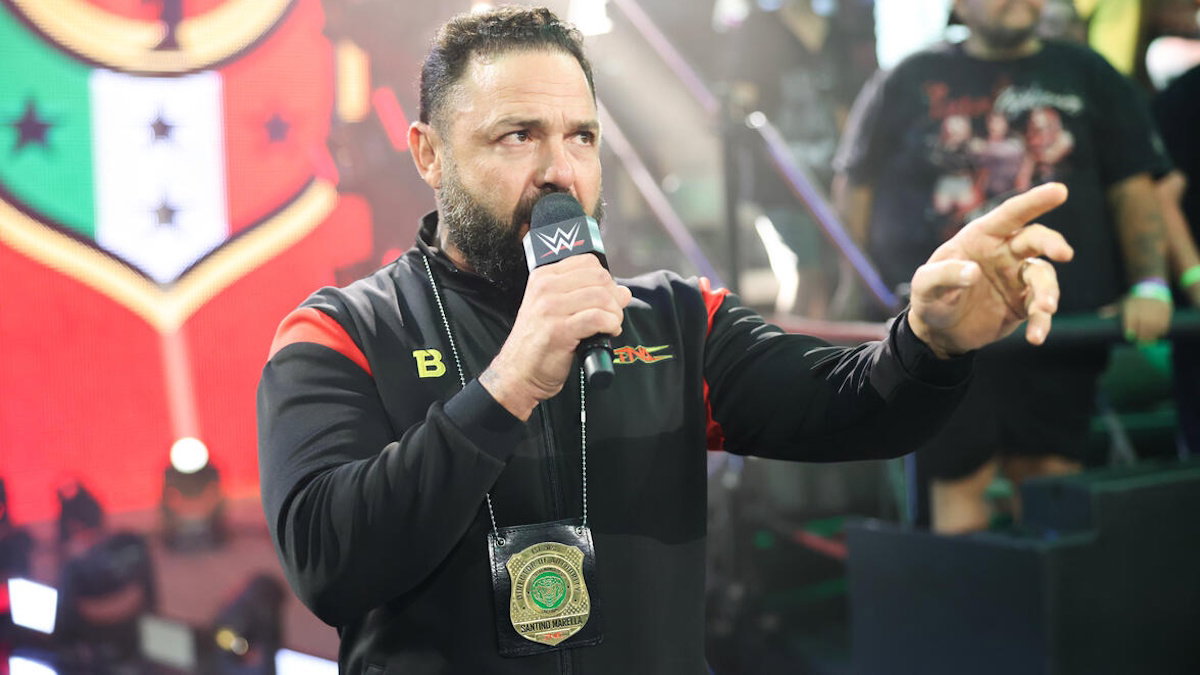
We see a cyclical pattern in how the audience engages with talent. Santino Marella recently pointed out how fans rally behind underdogs only to immediately flip their sentiment once that wrestler reaches the top of the card. It is a cynical loop that forces performers into an impossible position.
This fan behavior dictates, to an extent, how management treats high-potential signings. If a talent is perceived to have cooled off—perhaps because they were put in a losing position without a microphone—the audience feels validated in their rejection. It is a self-fulfilling prophecy of indifference. This dynamic creates a difficult environment for newcomers to find a consistent foothold.
Digital art and the erosion of brand identity
The distraction caused by AI-generated imagery has pulled major stars into public conflicts that serve no creative purpose. Rhea Ripley recently had to address a fan spreading fabricated renders, essentially fighting a losing battle against misinformation in the social media space. This takes precious attention away from legitimate in-ring storytelling.
While management navigates these digital headaches, the actual work happens between the ropes. The obsession with optics over substance is detrimental to the product. If the focus drifts toward managing fan perception of avatars rather than building the credibility of the active roster, the technical quality of the matches will inevitably suffer.
The booking reality check
The statistical reality is that 50 percent of a new signee’s success relies on the first 90 days of their presentation. Giulia is currently in that window. If she continues to lack a platform to speak, that percentage will plummet regardless of her legitimate striking ability or technical output.
I predict that Giulia will be forced into a high-intensity, short-duration showcase match within the next month to regain the equity lost in Italy. Management will need to reverse the damage, likely booking her to secure a decisive victory in under 8 minutes. Should they continue the pattern of muting her presence, the audience will move on to the next shiny acquisition. Talent retention in this company requires more than just signatures on a contract; it requires the active, vocal support of the booking team.