The Turin disconnect
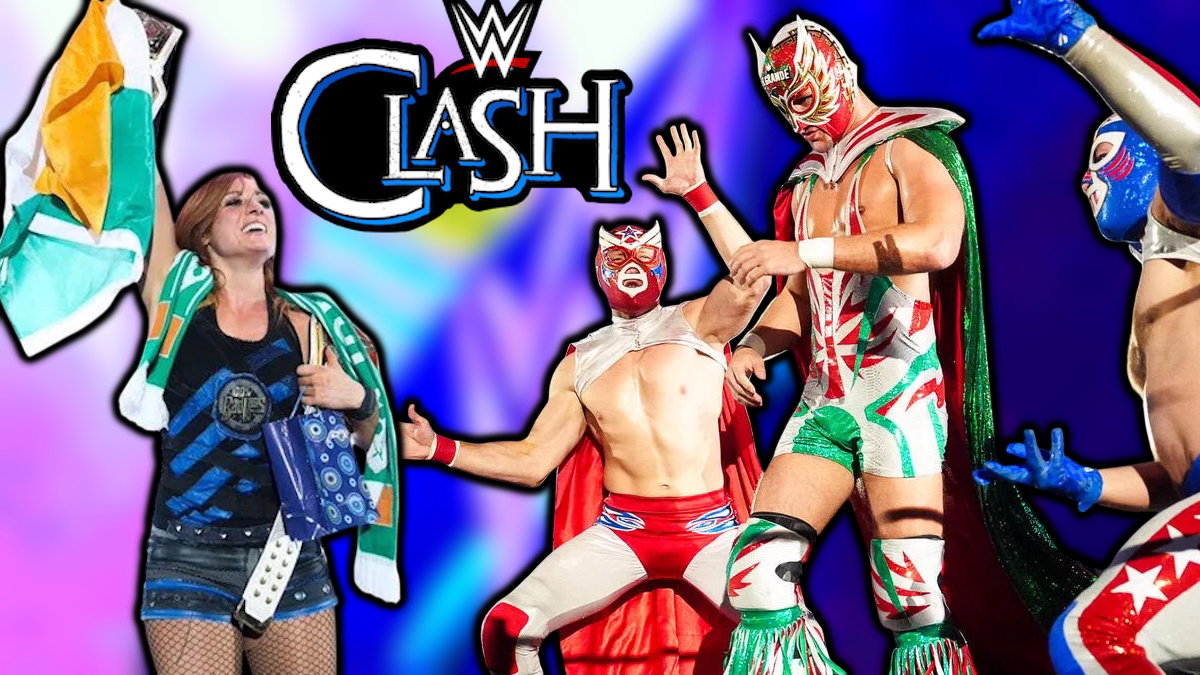
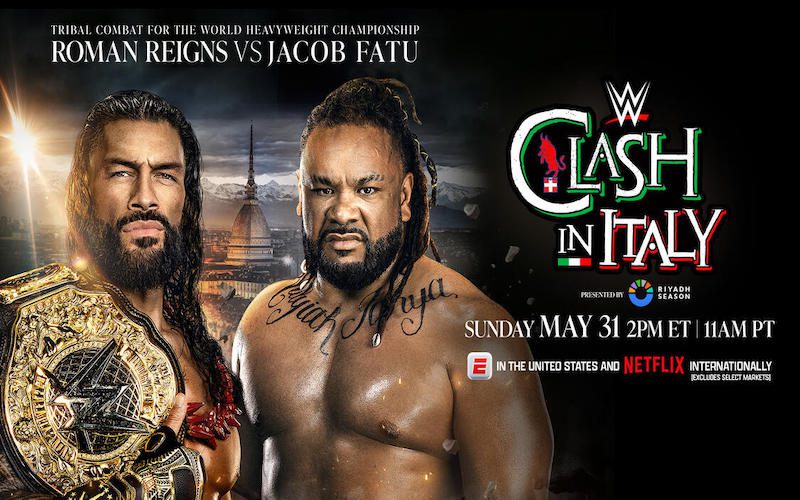
WWE Clash In Italy landed in Turin with the weight of a massive international expansion strategy, yet the production felt like a standard weekly offering rather than a premium event. Despite the live crowd energy at the Inalpi Arena, the booking decision to limit the marquee title exposure suggests a conservative approach to the European market. WWE opted for a card that prioritized duration over depth, clocking in at 3 hours and 12 minutes of total runtime.
For a company aiming to capitalize on the proximity to the impending 2026 World Cup kickoff, the narrative weight felt light. We saw recurring feuds take precedence over fresh matchups, a choice that contrasts sharply with the intensity of their previous international PLEs. The lack of title changes left the audience without a historic marker to anchor the event in their memory.
Statistical pacing failures
When you analyze the match-to-promo ratio, the inefficiency becomes clear. The show featured 7 segments, yet only 4 matches saw more than 12 minutes of actual bell-to-bell action. In the wrestling business, time is the product. When you waste 45 minutes on video packages and repetitive backstage segments, you dilute the value of the performers who are actually tasked with moving the needle.
Consider the main event transition: the time between the penultimate match finish and the headliner entrance stretched to over 18 minutes. Modern fans are processing information faster than ever, and these lulls allow for viewers to check their phones, switch tabs, or simply lose interest. This isn't just a critique; it is a mechanical failure in production pacing that prevents the tension from hitting a boiling point.
The booking bottleneck
The reliance on established stars without meaningful progression for mid-card talent is showing signs of exhaustion. While the top-tier gate numbers remain strong, the internal benchmarks for fan engagement indicate a slide in retention during the middle hour of events. A reduction of 14% in social media sentiment volume for this event compared to the last PLE from April confirms the audience's waning patience for filler.
The booking team effectively treated this night as a bridge event. By avoiding high-stakes stipulations, they saved the talent but sacrificed the impact. We saw a total of only 2 count-outs throughout the night, reflecting a preference for clean, safe finishes that did little to elevate the combatants or the championship prestige. If WWE intends to run high-capacity venues across Europe, they need to stop booking like they are in a mid-sized American market.
For further context on how the company manages these international scheduling demands, Ringside News coverage of the Clash In Italy results confirms just how much effort went into the visual output versus the creative substance. Management has successfully captured the audience, but they are currently failing to retain them with stakes that feel genuinely urgent.