The Post-WrestleMania Talent Dump
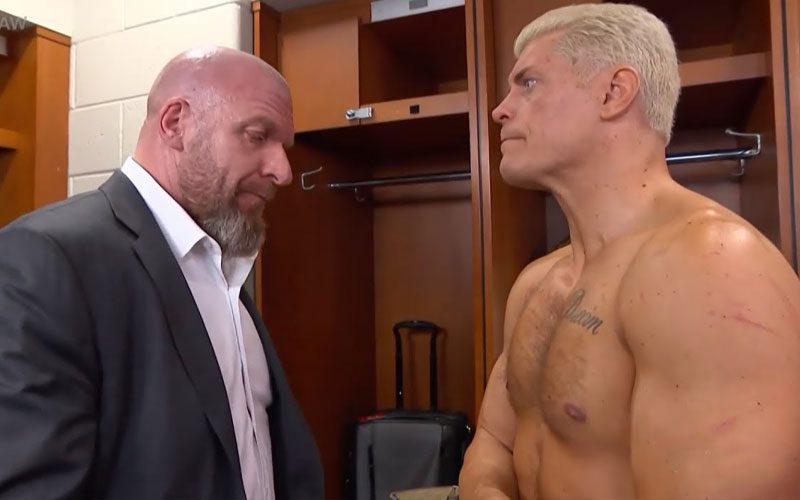
Just when the post-WrestleMania 41 dust seemed to be settling, PWInsider drops a report that scrambles the board all over again: four new talents have been signed to WWE contracts. The names remain under wraps, but the number itself is the headline. This isn't a single, surgical acquisition like AJ Styles in 2016. It’s a talent infusion, a clear statement of intent from the Triple H-led front office just one month after the biggest show of the year wrapped in Las Vegas.
On the surface, this is standard operating procedure. New blood freshens up the product. But digging deeper, this move feels less like routine maintenance and more like a high-stakes bet on solving a problem that the annual draft rarely fixes. The problem isn't a lack of talent; it's a lack of meaningful spots. Adding four new wrestlers to an already overflowing locker room doesn’t automatically create four new success stories. It creates a battle for oxygen.
A Logjam at the Top
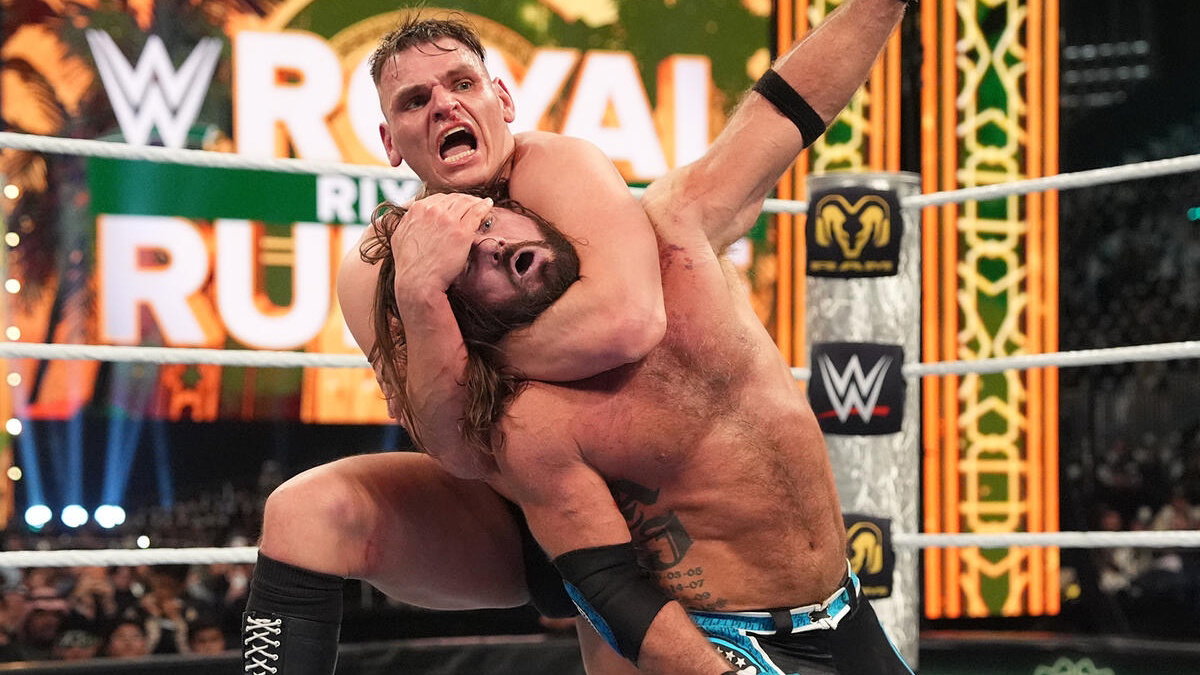
Let's be pragmatic and look at the landscape these new signings are walking into in May 2026. Cody Rhodes is the defending WWE Champion, having presumably navigated the immediate WrestleMania fallout. Roman Reigns and The Bloodline are still a dominant force, even without the title. CM Punk just had a major match at the Allegiant Stadium, and you don’t bring him back for a one-off. Seth Rollins is ever-present. Gunther is a weekly wrecking machine who feels perpetually one decision away from the main event. Where, exactly, does a new star fit?
This isn't the Ruthless Aggression era, where a debuting John Cena or Brock Lesnar could find a path to the top in months. The current main event scene is a fortified castle. We saw the path for a red-hot star like LA Knight; it took a groundswell of fan support so undeniable that the company had no choice but to elevate him, and even that felt like a struggle. For every Damian Priest who successfully cashes in, there are dozens of talents who arrive on Raw or SmackDown only to tread water for months, their momentum from NXT or the independent circuit completely evaporating.
This is my primary critical observation: WWE has a much better track record of acquiring talent than it does of integrating it. The company hoards talent like a dragon hoarding gold, but often leaves it sitting in a vault. The challenge isn't finding gifted athletes; it's the booking and the political will to push them at the expense of an established veteran.
The NXT Pipeline vs. The Free Agent Gamble
The four unknown signees likely fall into two camps: developmental prospects from the Performance Center/NXT system, or established free agents from other promotions. The path to success is wildly different for each. For years, the conventional wisdom was that going through the NXT system was the only way to learn the “WWE style” and prepare for the main roster. It worked for stars like Charlotte Flair, Big E, and Seth Rollins.
But the calculus has changed. The existence of a thriving competitor in AEW means that top-tier independent and international stars are no longer a captive audience. They have leverage. Waiting 2-3 years in NXT is a much less attractive proposition when you can get a main event spot elsewhere immediately. This pressure likely explains why WWE has more recently opted to fast-track certain talents or sign them directly to the main roster. But this strategy carries its own risks. The main roster creative process is a different beast, and talents who haven't been indoctrinated in the WWE system can sometimes struggle to adapt.
Consider the data. The success rate of NXT call-ups is notoriously volatile. For every Gunther, there is a Karrion Kross, whose initial main roster run was a case study in how to neutralize a dominant act. The system is supposed to prepare you, but it often just re-brands you, sometimes stripping away the very things that made you a star in the first place.
My Prediction: Only One Will Matter
So, what does this all mean for these four new signings? It's time to make a call. The optimistic fan wants to believe all four will find their niche and strengthen the roster from top to bottom. The realist, who has watched this show for decades, knows the odds are much longer than that.
Here is my prediction: of these four new wrestlers, only one will become a consistent, featured player on the main roster within the next 18 months. The other three will likely fall into a familiar pattern: a promising debut, a handful of exciting matches, and then a slow, inexplicable slide down the card into catering or, eventually, a quiet release.
Furthermore, I’ll predict the profile of the one who succeeds. It won’t be the homegrown prospect from the Performance Center. It will be the established star. The one who arrives with a built-in brand, a track record of success in Japan, Mexico, or AEW, and the leverage to command a prominent spot from day one. In 2026, WWE is a machine that runs on established commodities. It is far more adept at integrating a known quantity like a CM Punk or a Cody Rhodes than it is at building a new one from the ground up on live television.
The system is simply not built for patience. With Raw and SmackDown demanding star power every single week, there is little room for on-the-job training or character development. You have to arrive ready. The one who is already a star will be the one who remains a star. The other three, regardless of their talent, are entering a brutal numbers game they are statistically unlikely to win.