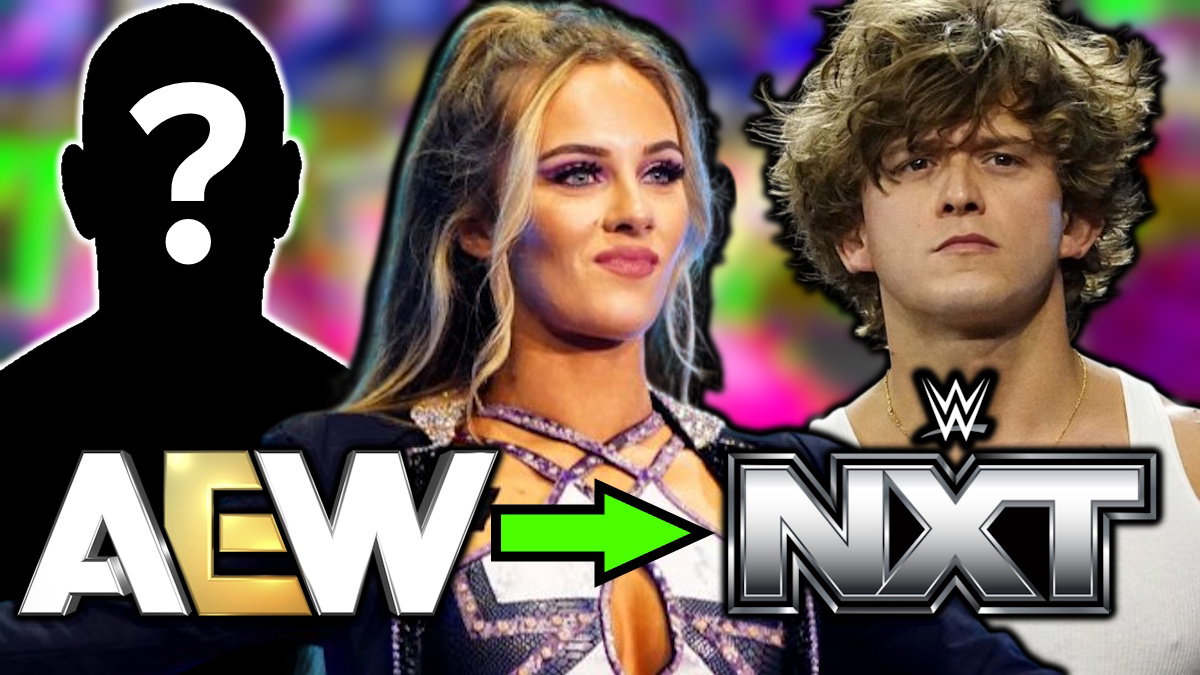
NXT's New Signings Are Here, and I'm Already Worried
So, The Indies Got Raided. Again.
Let’s all pour one out for the indie promoters this week. It looks like WWE’s periodic talent vacuum just sucked up another batch of the best non-WWE wrestlers on the planet. Reports are flying that a new class of free agents is heading to the WWE Performance Center, and the names being thrown around are exactly the ones you’d expect: a technical wizard from the UK scene, a high-flyer who defies gravity, and a powerhouse woman who’s been leaving craters in rings across North America.
My first reaction? Pure, unadulterated joy. For the first time in a while, it feels like the NXT I fell in love with is back. Not the 2.0 experiment with its paint-splatter graphics and focus on athletes who looked like they’d never seen a wristlock, but the OG black-and-gold era. The era that brought us Sami Zayn, Kevin Owens, Shinsuke Nakamura, Asuka. The era where being the best wrestler in the world actually mattered.
A Shot of Pure Wrestling Adrenaline
This new crop of talent is, by all accounts, the real deal. We’re talking about wrestlers who have spent years grinding, building their names in VFW halls and international super-shows. They didn't come from a college football program; they came from the hard-knock school of independent wrestling. They know how to work, how to get a reaction, and how to tell a story between the ropes. This isn't a project; it's a statement.
It’s a signal from the Triple H regime that the philosophy has fundamentally shifted back. The focus is once again on acquiring proven, polished in-ring performers to bolster the NXT roster and, eventually, the main shows. This is the strategy that turned NXT into the hottest brand in wrestling from 2015 to 2019. It created a super-indie feel under the pristine WWE production umbrella, and it was absolutely electric. Getting back to that feels like coming home.
Seeing these new faces walk into the PC should be a shot of adrenaline for everyone. It means fresh matchups, new storylines, and the potential for the kind of five-star classics that used to be a regular occurrence on Wednesday nights. On paper, this is a grand slam. A no-brainer. But wrestling doesn't happen on paper.
Haven't We Seen This Movie Before? And Didn't It End Badly?
Here’s the cold water. My excitement is immediately followed by a wave of dread, because I have a long memory. For every Kevin Owens who made it, there’s a cautionary tale of a can’t-miss indie darling who got fed directly into the main roster’s creative woodchipper. Remember Karrion Kross’s first main roster run? He went from an unstoppable monster in NXT to a guy in a stupid gladiator helmet losing his debut match in under two minutes.
How about Ricochet? A human highlight reel, one of the most gifted athletes of his generation, spent years trading the 24/7 title and being booked like a secondary character in someone else’s story. The list is long and painful. It's a history of taking unique, vibrant, round pegs and trying to hammer them into the same boring square hole. The system has a nasty habit of stripping away everything that made a wrestler special on the indies, repackaging them in a generic wrapper, and then wondering why the fans aren't connecting.
That’s my fear. I’m thrilled that these new talents are getting their payday, but are they getting a real opportunity? Or are they just the next round of inventory for a system that has historically failed to understand its own products? Signing the best wrestlers in the world is easy. Knowing what to do with them is the hard part, and WWE's main roster report card on that front is, to be generous, a mixed bag.
This Time, The Man In Charge Is The Man Who Started It All
So what’s different now? The optimist in me points to one man: Paul Levesque. Triple H. The guy who built the black-and-gold NXT in his own image is now the one steering the entire creative ship. He, more than anyone, should understand the value of these performers. He signed them. He presumably has a vision for them.
We have seen some positive signs. Look at the way Ilja Dragunov has been protected since his call-up. He feels like a big deal. Bron Breakker is being presented as an absolute wrecking machine. There's evidence that the philosophy is changing from the top down. The hope is that the main roster is now an extension of the NXT philosophy, rather than a bizarre alternate universe where none of the character work or history matters.
But the roster is already jam-packed. Where does everyone fit? Is there enough TV time on Raw and SmackDown to give these new stars the spotlight they need to get over? Or will they join the ranks of hugely talented performers who are lucky to get a backstage promo once a month? That's the billion-dollar question. This influx of talent is either going to trigger a new golden age for WWE programming or create the most talented, over-qualified catering division in sports history. There is no in-between. I want to believe, I really do. But when it comes to WWE creative, it's always 'trust, but verify.' And I'm not verifying anything until I see these stars in main events, not on Main Event.
WWE Elite Collection Series 108 - CM Punk Action Figure
The Best in the World, immortalized in premium plastic.
Frequently Asked Questions
What type of wrestlers are in the newest WWE Performance Center class?
Why is the new crop of talent being compared to the black-and-gold era?
How does this recruitment strategy differ from the NXT 2.0 experiment?
Why are fans worried about the future of these new NXT signings?
Who are some examples of NXT stars that struggled on the main roster?
More Coverage
Why the AEW versus WWE shoot-style era is just getting started
37 minutes ago
Nick Aldis spills the tea on his TNA era and the fans are dragging everyone
an hour agoNick Aldis is playing us all for fools
2 hours agoJoe Gacy deserved better than a pink slip
2 hours agoAEW's Dynamite lineup suggests a shift toward high-stakes pacing
3 hours agoEfficiency gaps define the Scenic City Invitational Night Two
7 hours agoMore Analysis

WWE is reportedly lining up a massive free agent haul for NXT
2 months, 3 weeks agoWWE's Four New Signings Are a Bigger Gamble Than You Think
1 month, 4 weeks ago
WWE's latest hiring spree is a tactical pivot, not a talent dump
1 week, 2 days ago
WWE's indie talent grab comes with a familiar corporate catch
1 month, 3 weeks ago
NXT is bleeding talent just as the internal heat turns up
2 months, 3 weeks ago