The PR Spin Cycle
WWE’s corporate communications strategy often relies on rewriting history to fit current narratives. This list examines the moments where executive claims diverged sharply from reported reality, illustrating a recurring friction between business optics and creative transparency.
1. The WrestleMania 40 Pivot
Nick Khan asserted that WWE’s main event plans for WrestleMania 40 remained static throughout the build. This claim collapses under basic scrutiny. With Cody Rhodes, Roman Reigns, and The Rock involved, the mid-cycle shift toward the "We Want Cody" movement proved that booking is inherently fluid. Khan’s insistence otherwise feels like an attempt to manufacture a sense of inevitable storytelling. As reported by various outlets, actual fan sentiment dictated the path, not an pre-ordained master plan.
2. The nWo ThunderDome Ghosting
Management reportedly planned to reanimate the nWo during the isolations of the ThunderDome era. Yet, as Ringside News noted, the originators were never contacted. This reveals a disconnect between creative ambition and organizational execution. It is one thing to want a nostalgia pop; it is another to fail to secure the talent required for the execution.
3. The Russo Accusation
Vince Russo recently leveled direct accusations regarding the veracity of Nick Khan’s statements on WrestleMania 40. Regardless of one’s opinion on Russo's booking history, his skepticism highlights a growing industry trend where veterans call out corporate doublespeak. This public friction suggests that the backstage reality is rarely as clean as a press release implies.
4. Strategic Amnesia
Executives often claim that failed storylines were intentional long-term experiments. This excuse serves to mask poor reception. When a program stalls, pretending it was the plan all along denies the performer room for genuine growth. It turns feedback into a bug rather than a feature.
5. The Talent Communication Gap
The habit of keeping legends in the dark about reboots is poor policy. Leaving original nWo members out of the loop for a potential return demonstrates a lack of respect for intellectual property history. It makes the company look reactive rather than proactive.
6. The Media Relations Wall
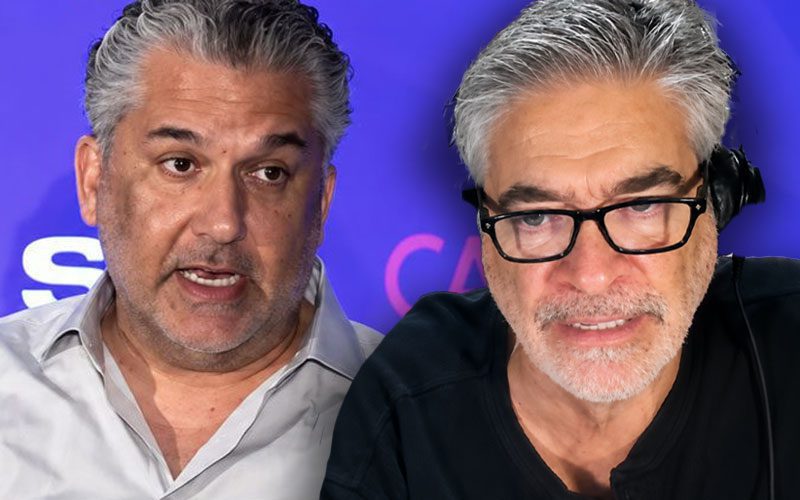
Khan’s appearance at the Sports Business Journal World Congress served to solidify a specific corporate image. However, those appearances often lack the nuance required for a product as mercurial as professional wrestling. Tightening the PR message too much often leads to the exact accusations of dishonesty being discussed here.
7. The Re-writing of Cody Rhodes
Attempting to frame the Cody Rhodes ascension as a completely linear path minimizes the impact of the 2024 fan mobilization. Fans were the active agents in changing the WrestleMania 40 trajectory. Dismissing that role as a myth is a miscalculation of how viewership engagement functions in the streaming era.
8. The ThunderDome Limitations
The reliance on recycled legends during the pandemic era highlighted a failure to develop new top-tier stars during a specific window. While the circumstances were unique, the reliance on nostalgia acts as a crutch. It stunted the growth of performers who needed that screen time to define their own legacy.
9. Performance Metrics vs. Creative
WWE often uses record-breaking earnings to justify questionable creative choices. While the business is thriving under $920 million in monthly compute and operational strategies, the quality of the product is distinct from the balance sheet. Confusing the two metrics is a dangerous habit for any promotion.
10. The "Scripted Reality" Trap
The core issue here is the refusal to admit that pivots happen. Wrestling thrives because it is a living entity that responds to the crowd. When management denies those changes, they invalidate the participation of the audience.
Honorable Mentions
The treatment of undercard talent during budget reallocations and the occasionally contradictory stances on international expansion are notable, though they lack the overt theatricality of the WrestleMania 40 saga. Future efforts should aim for transparency when a creative direction inevitably shifts.