The WWE shareholder lawsuit vanishes like a cheap magic trick
So, the big WWE shareholder lawsuit—the one that had every legal eagle on Twitter acting like they passed the Bar exam—got nuked just days before it was set to hit the courtroom floor. It is classic corporate theater, really. You spend months building up a folder of discovery, start the sabre-rattling, and then, poof, the whole thing gets swept under the rug of a settlement or withdrawal.
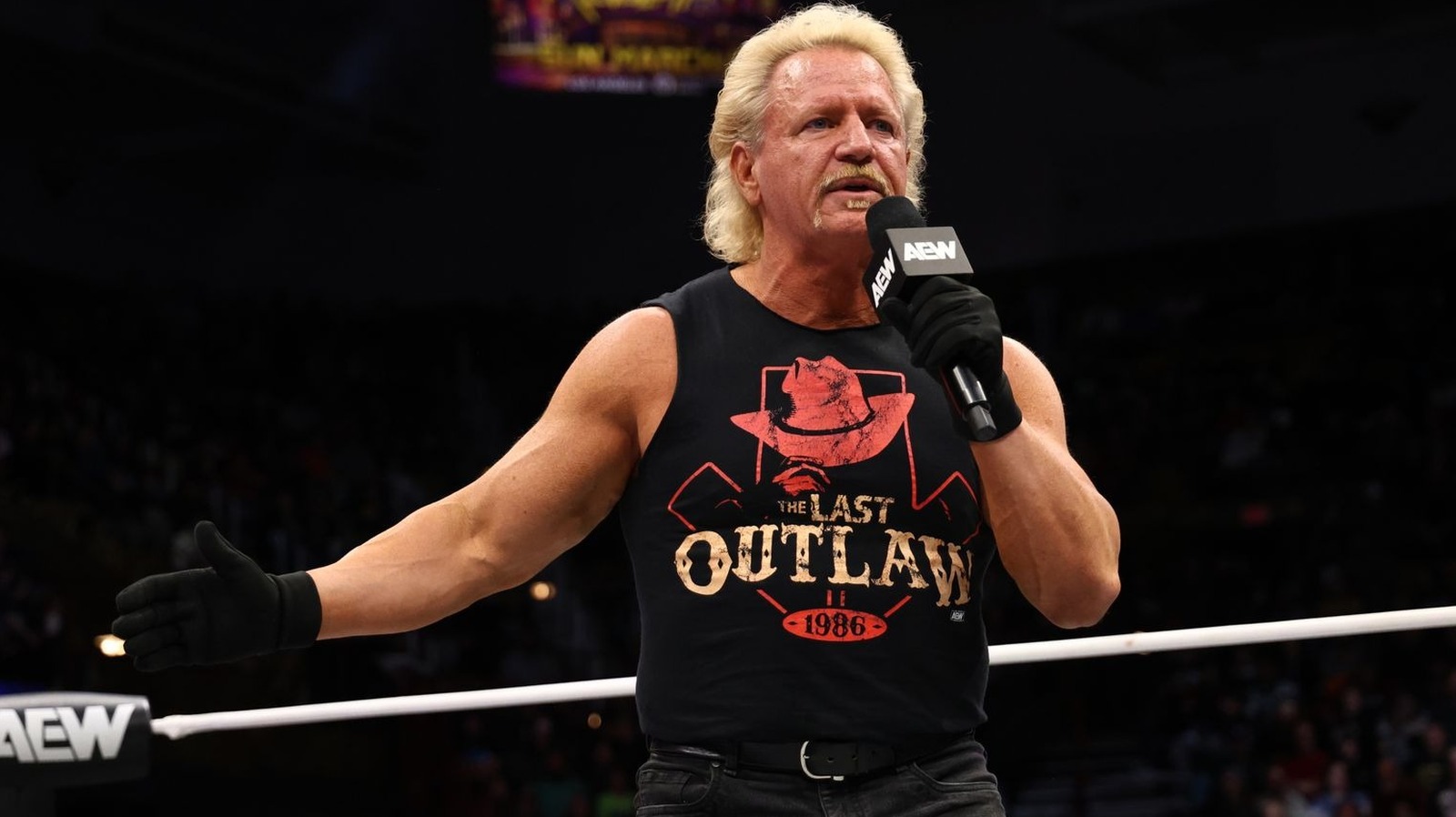
If you were expecting a dramatic showdown in a courtroom, you clearly haven't been paying attention to how these titans of industry handle their business. As Jeff Jarrett noted on his My World podcast, while some folks were looking for blood, the reality of these civil actions is usually a whole lot duller than a main event at the Tokyo Dome. Nobody gets a dramatic cross-examination on the stand. It just ends, quietly, and everyone goes back to earning their dividends.
JBL and the old guard aren't holding back
Not everyone is shedding a tear for the lack of legal theater. JBL, who has never been one to read the room or keep his opinions on a leash, went on a tear about the suit. He made it clear he hopes the plaintiffs didn't walk away with a single cent. It is the kind of scorched-earth take that gets people blocked on social media but makes for an incredible conversation at the bar.
JBL’s take is peak old-school wrestler energy—the kind of guy who thinks any lawsuit against the promotion is just a shortcut to a payday that nobody earned. His comments, first highlighted by WrestlingNews, serve as a reminder that the locker room culture is a different world when it comes to business ethics. He views the suit as a nuisance, while others see it as a necessary check on corporate power.
The real story is hiding in the details
Let's be clear: this isn't just about a bunch of finance bros fighting over stock prices. The June 15 edition of the Wrestling Observer Newsletter confirmed that while the shareholder suit is fading, the legal headaches involving Janel Grant aren't going anywhere. That is where the real stakes live. People get excited about shareholder drama, but the actual, messy, legal reality is far more punishing than a proxy fight.
It is exhausting to watch these stories play out in headlines without getting to the gritty details. When the dust settles on these cases, we rarely get the satisfying conclusion we want. Instead, we get redacted documents and press releases that say absolutely nothing. The shareholders move on to the next ticker symbol, and the wrestling world just keeps churning out content.
Why this matters for the business
The biggest failure here is the complete lack of accountability that these settlements create. By avoiding a trial, the truth stays trapped behind non-disclosure agreements and sealed filing cabinets. We lose the chance to actually know what happened behind the curtain during the most chaotic segments of the company's fiscal history. It is a win for the lawyers and a loss for the fans who just want to know how the machine operates.
Bookings are the easiest part of this company's problems. Trying to track the legal fallout is like trying to follow a 4-way TLC match without a replay screen. You end up with a headache, missed spots, and no idea who actually won. The settlement was reported to be effectively wrapped up right on the doorstep of the trial date, which tells you everything you need to know about how desperate the parties were to avoid public scrutiny.
Let’s call it what it is: a coward’s exit. When you have this much noise surrounding a public company, walking away without a verdict leaves a bitter taste. JBL might be happy the money didn't shift, but for the rest of us, it feels like we were promised a cage match and got a headlock for 60 minutes. The suit didn't change the game; it didn't even force a ref bump. It just ended the broadcast and cut to the commercials, leaving us staring at a black screen wondering if we ever actually saw anything of substance.