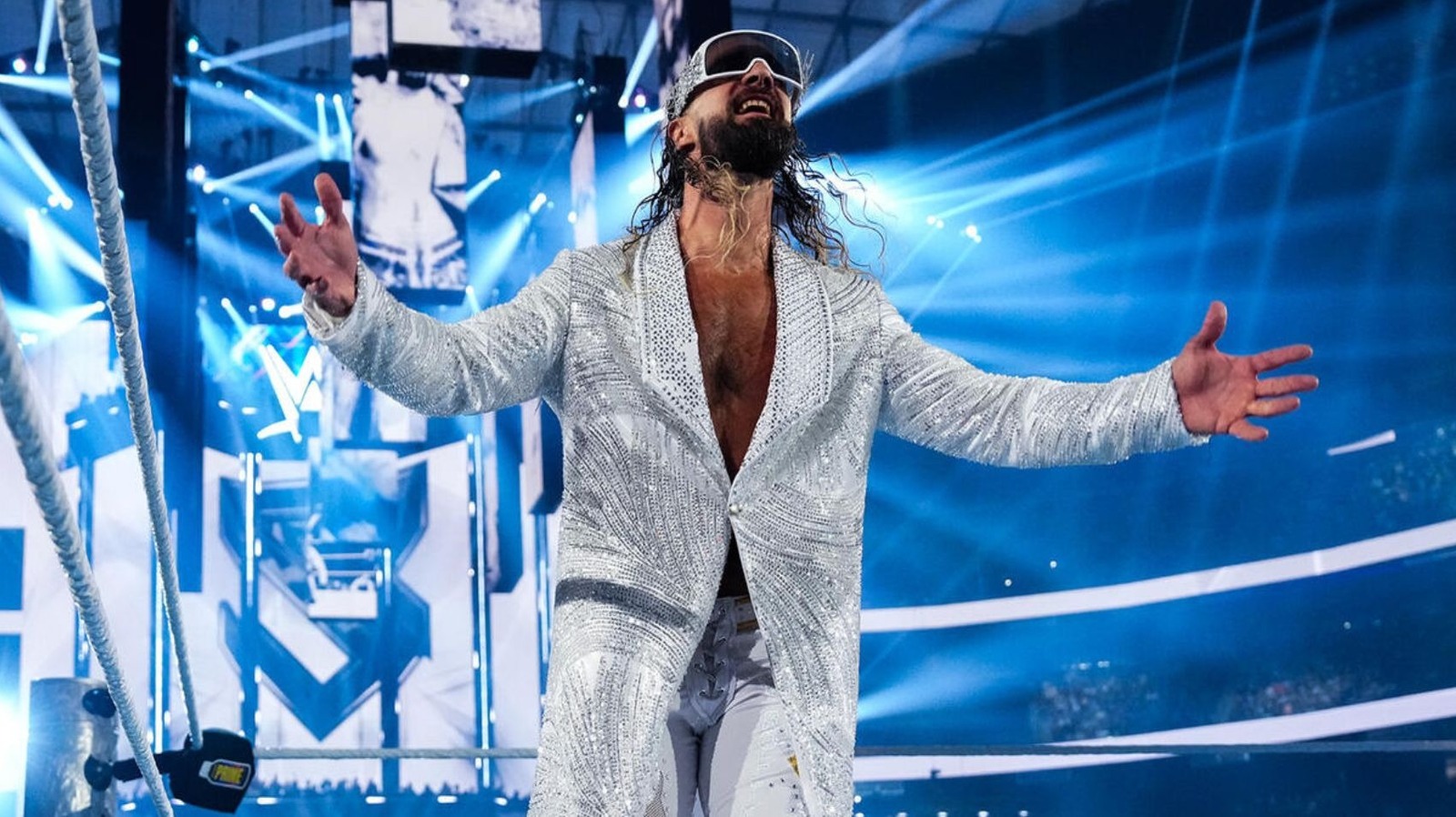
Brutal Summer Schedule Takes Heavy Toll on Roster Health
The relentless pace of WWE's international touring schedule has caught up to the locker room in mid-2026. Multiple high-profile performers are currently sidelined with severe joint issues, muscle tears, and structural wear that threaten to derail marquee match cards across the board.
Internal sources confirm that medical staff have escalated concerns regarding workload cumulative trauma. With back-to-back premium live events taking place overseas, recovery windows between high-impact encounters have shrunk dramatically.
As recent roster departures have already thinned depth, losing top-tier talents to legitimate physical breakdowns leaves creative leadership in a high-pressure bind.
Breakdown of Key Absences and Recovery Timelines
The most pressing concern involves structural knee and shoulder damage among main-event talent. High-flying styles and heavy bump cards have pushed soft-tissue resilience to the breaking point after months of continuous travel.
Surgeries scheduled over the past fortnight aim to repair ligament tears and reconstruct compromised joint cartilage. Expect recovery windows ranging from six to nine months, ruling out key contributors until at least late autumn or early winter.
Rehabilitation protocols are strictly mandated by internal medical executives. Early clearances are officially off the table as officials prioritize long-term asset protection over short-term ratings bumps.
Historical Patterns and Industry-Wide Implications
Mass injury waves are far from unprecedented in professional wrestling history. Similar attrition spikes severely disrupted booking patterns during peak touring cycles in both 2015 and 2021, forcing emergency shifts in championship reigns.
When primary draws exit the rotation simultaneously, television ratings historically suffer an immediate 10 to 15 percent drop. Rival promotions inevitably attempt to capitalize on the resulting void, putting pressure on remaining headline acts to carry heavier segment burdens.
Relying on depleted rosters routinely leads to secondary injuries, creating a compound effect that can cripple a brand's momentum for entire quarters.
Management Strategy and Booking Contingencies
Creative directors are scrambling to restructure upcoming live event cards to protect surviving talent from further damage. Brawling stipulating matches and high-spot heavy encounters are being scaled back in favor of classic ring work and promo-driven segments.
Mid-card performers are being elevated rapidly to fill main-event voids. While this offers younger athletes rare spotlight opportunities, rushing unproven talent into 20-minute main events carries its own performance and physical risks.
Without immediate rotational rest for veteran performers, WWE risks turning a temporary medical setback into a multi-year talent drain. Balancing executive demands with physiological reality remains the company's toughest battle this summer.