Life after WWE begins with a trademark search
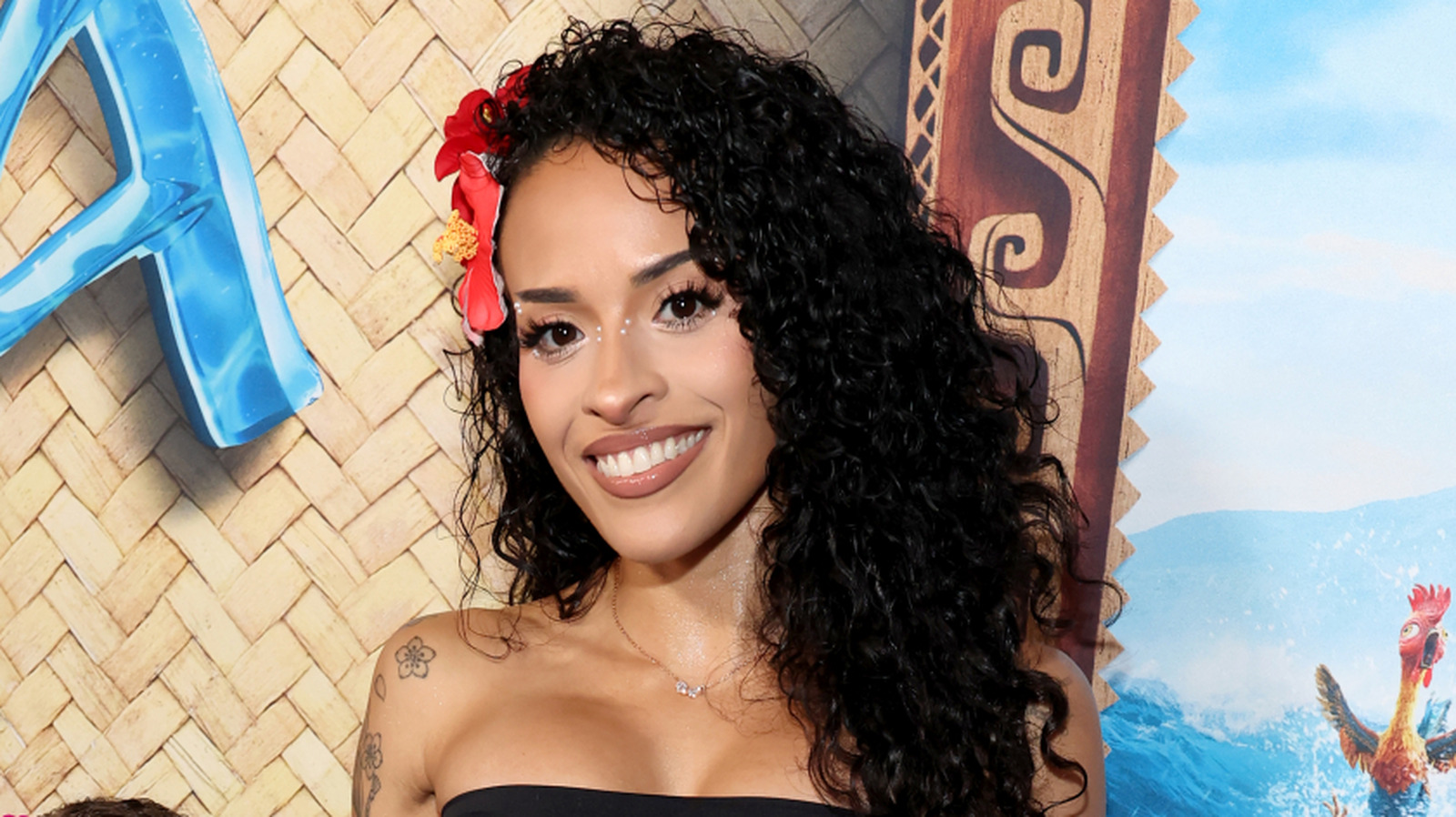
When news broke that Zelina Vega was exiting WWE, the immediate question wasn't if she would keep wrestling — it was what name she would carry into her next chapter. That answer arrived this week through standard corporate paperwork. Records show a fresh trademark filing for the name "Xelina", effectively signaling how the former Queen's Crown winner plans to market herself on the independent circuit and beyond.
It is a subtle shift, swapping out the 'Z' for an 'X', but in professional wrestling, trademark gymnastics are mandatory when WWE owns your primary television identifier. Vega — real name Thea Trinidad — has built a recognizable brand over the last decade. Preserving the phonetic cadence of her WWE name while altering the spelling is a calculated move designed to keep existing fan recognition intact without triggering a cease-and-desist on day one.
The strategic pivot and what comes next
Trinidad has spent years navigating high-stakes situations both in and out of the ring. Her previous departure from WWE in 2020 showcased her willingness to bet on herself, particularly around third-party streaming rights and unionization discussions, before returning in 2021 to win the inaugural Queen's Crown tournament. Her recent run alongside the LWO kept her visible on Friday nights, but her ceiling inside WWE's crowded women's division remained capped.
Filing for "Xelina" early suggests she isn't planning a prolonged hiatus. The trademark application covers wrestling performances, merchandise, and live event appearances — the standard baseline for any top-tier free agent hitting the market. Whether this leads to a spot on AEW Dynamite, a run in TNA's Knockouts division, or high-profile dates in Marigold and Japan, the branding foundation is already laid.
The real test for Trinidad under the Xelina moniker will be establishing her identity outside of a manager-heavy role. WWE frequently deployed her as the vocal mouthpiece for Andrade El Idolo or Santos Escobar, often sidelining her sharp in-ring work. On the open market, she'll have to rely on work rate and single-promo segments to justify main-event billing. Owning her IP is step one; proving she can draw outside the Stamford ecosystem is the harder task ahead.