The physical reality of a farewell run
John Cena has confirmed what ringside observers have long suspected: the physical demand of his current retirement tour is no longer sustainable. In recent discussions, the 17-time world champion admitted that while his preference remains in the squared circle over his burgeoning acting career, his body has reached 0% capacity for full-time competition.
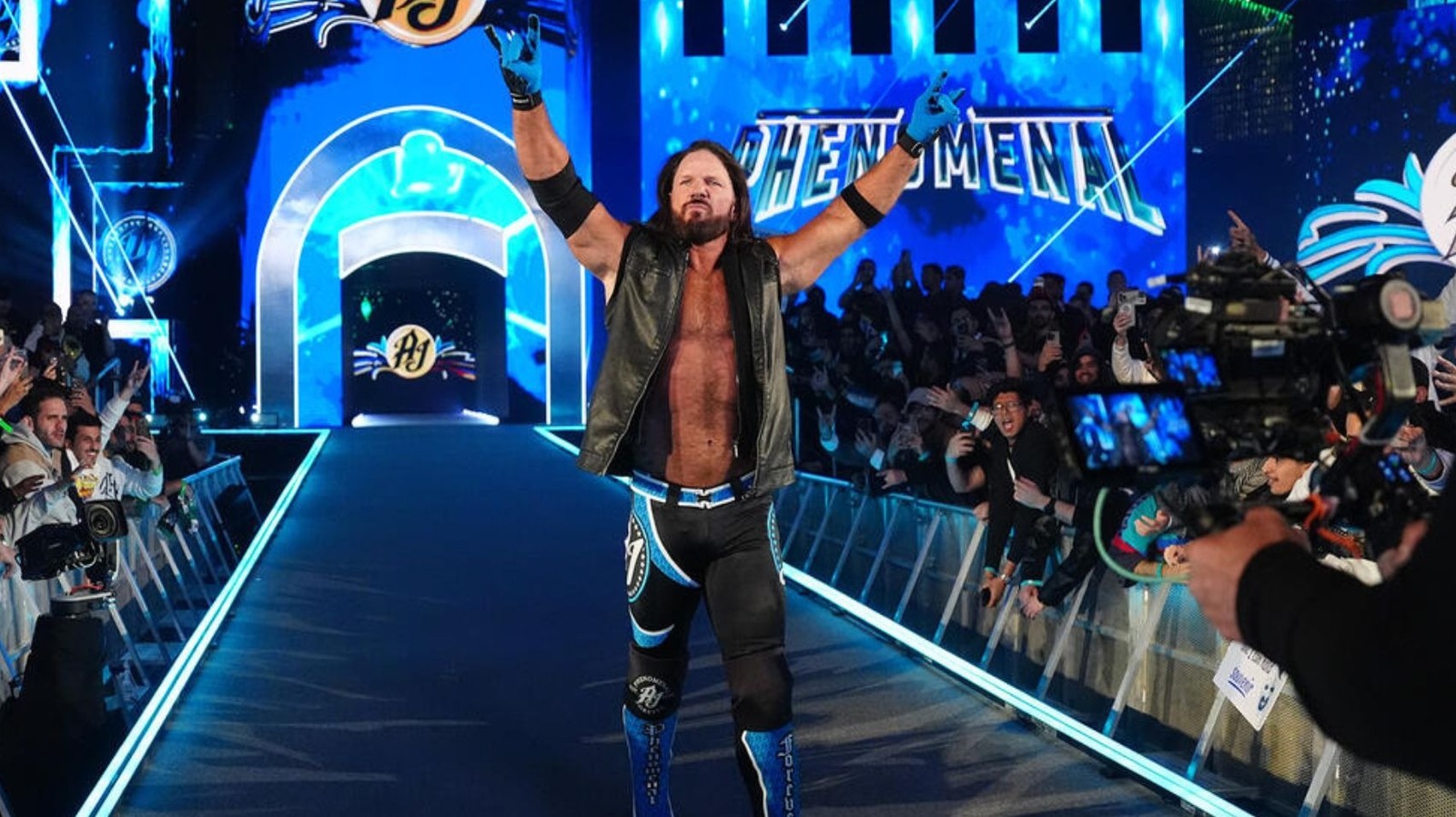
This candid admission explains why his 2025 heel turn felt truncated and why his recent program with AJ Styles—which was not originally intended to occur during this specific phase of his career—felt strategically disjointed in the ring. The internal friction of a star who can no longer physically execute at the level he demands of himself has created noticeable hurdles in his final string of dates.
Tactical inconsistencies in the ring
The strain has forced Cena to adjust how he navigates matches in real-time. Recent reports detail how Cena relies on loud, overt spot-calling to orchestrate sequences, a habit Cody Rhodes has openly mocked as being audible to the front rows. This isn't just a stylistic quirk; it's a necessity for a performer compensating for a limited range of motion and an increased reliance on his opponent to manage the pacing.
As outlined in the WWE Unreal series, the 2025 heel turn was originally scheduled to conclude at SummerSlam, but the lack of fluid physical synergy likely contributed to the creative pivot. The reliance on external interference, such as during his Survivor Series match, acts as a tactical crutch to minimize the time Cena spends taking high-impact bumps.
Industry implications and history
History shows that legends struggling to exit the ring on their own terms often face diminishing returns. Similar to how Ric Flair’s final years were marred by an inability to say no despite visible limitations, Cena is currently walking a tightrope between nostalgia and professional injury. The trend of using mid-match audibles to change finishes, as Cena recently disclosed, reveals a panicked approach to booking when his physical limitations threaten the pace of a match.
"I prefer WWE to acting, but I physically can't do it anymore." — John Cena
The strategic oversight here is glaring. By keeping Cena active in a high-profile capacity, WWE is trading long-term legacy value for short-term television ratings. The danger lies in the high-stakes environment where a sudden, forced finish, like those cited in his match with AJ Styles, could backfire and derail the momentum of younger talent required to carry him through these final segments.
A critical look at the final chapter
The booking appears rushed. Watching a legend attempt to replicate 2015-era intensity in 2026 feels like a disservice to the new generation of performers. While the emotional hook of a retirement tour provides a massive draw for ticket sales, the in-ring output has become increasingly synonymous with safety over spectacle. For an organization that prides itself on being the pinnacle of sports entertainment, relying on a performer who has openly admitted he is physically past his prime exposes the lack of a secondary contingency plan for marquee events.
Read Next
- John Cena is finally hanging them up and my knees hurt just thinking about it
- WWE Unreal exposes the reality of Bron Breakker and Bronson Reed's injuries
- Cody Rhodes reveals what it was really like in the ring with John Cena
- Five years later, the 2021 Raw reset still makes me angry
- 🏆 WrestleMania 41 — Full Coverage Hub
- 👴 John Cena Retirement Tour 2026