
Seth Rollins is right to feel slighted by his WrestleMania history
The shadow of the cash-in
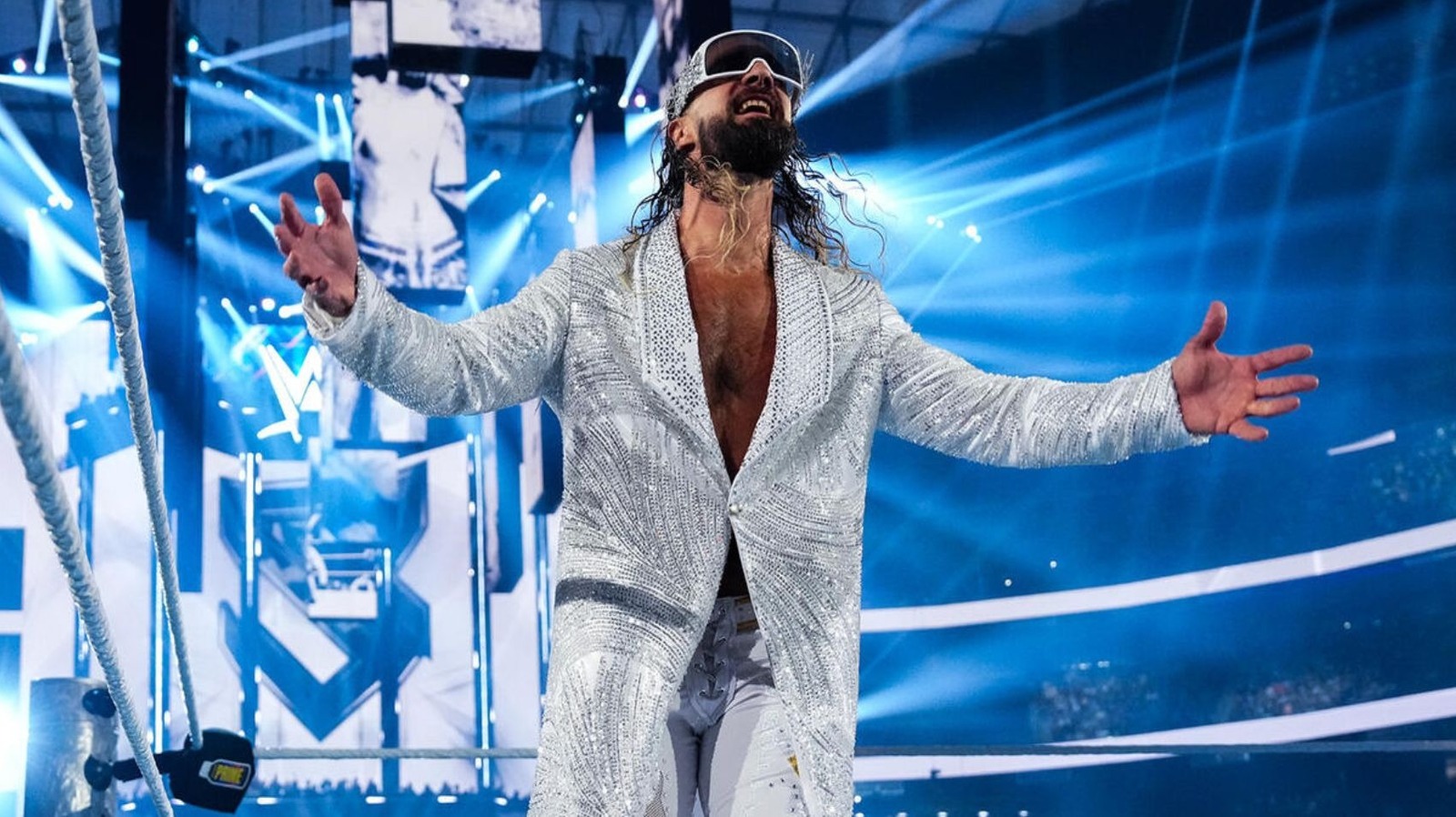
Seth Rollins occupies a strange space in the history of WrestleMania. He arguably holds the most iconic closing image in the history of the event, yet he maintains he has never properly headlined the show. He told the camera in the newest season of WWE Unreal that despite his high-profile slots, something feels unresolved regarding his status as a permanent main event closer.
The criticism usually revolves around the nature of his biggest night. At WrestleMania 31, he did not enter the main event ring; he intercepted it. Sprinting from the entrance tunnel, he took advantage of Roman Reigns and Brock Lesnar being decimated by one another to hit a Curb Stomp on Reigns. He walked out as champion, but he was not the man booked for the marquee position at the top of the card.
Defining the main event
Modern wrestling discourse often conflates the final match on the card with the actual narrative weight of the night. Rollins has occupied the middle of the poster repeatedly, facing off against Triple H, Shinsuke Nakamura, or Cody Rhodes. He thrives in the 20-to-25-minute window that serves as the bridge between the spectacle and the finale.
He is technically correct that he lacks the distinction of a featured closing bout where his opponent was specifically chosen to battle him for the top prize in the final position. The 31st edition victory remains a opportunistic masterpiece of booking rather than a traditional coronation. It was a heist executed in the 92nd minute of the broadcast, not a bell-to-bell struggle for the soul of the company.
The gap in the resume
Why does this rattle him so much? It comes down to the pacing of the industry. Rollins has evolved into a performer who values the specific rhythm of a high-stakes encounter. He demands the crowd's undivided attention, a luxury that only the final match of the night is afforded.
His lack of a singular closing slot leaves an analytical void in his career retrospective. When fans look back at modern legends, the ability to anchor the final half-hour of the biggest night of the year is the primary metric of success. It is a subtle but persistent chip on his shoulder, driving his work rate even as he enters a different phase of his career.
The booking blind spot
The company seems content to use him as a utility player, even when he performs at world champion levels. Putting him in the mid-card or the high-profile feature slot allows them to avoid the messy creative politics of crowning him twice in the same window. It makes for better television segments, but it ignores that he has arguably been their most consistent in-ring engine for a decade.
His frustrations feel justified when you look at the recent patterns in roster management. Frequently, Rollins is the person who bridges the gap between the mid-card acts and the attraction stars. He elevates the match quality, but by the time he reaches the end of his shift, he is exhausted while the main eventers are just beginning their sequence.
Seth Rollins said in the newest season of "WWE Unreal" that despite multiple WrestleMania moments, he still feels like he hasn't "properly" headlined the event.
It is worth noting that this perspective is entirely self-imposed. By refusing to validate his legendary cash-in as a legitimate main event experience, he remains perpetually hungry. That internal agitation is likely why he remains the premier tactical performer on the roster. If he were satisfied, the intensity of his 15-minute bursts of technical brilliance would likely wane.
Still, the failure to put him in the closing spot represents a missed opportunity in the booking office. You have a performer obsessed with his legacy, wanting the final word on the biggest stage, yet the machine keeps using him as the setup man. Whether he ever gets that final nod depends on shifting priorities, but Rollins is clearly keeping count.
Read Next
- The WWE free agency era is reaching a breaking point
- AJ Styles walked away on his terms, but the door isn't fully locked
- Nic Nemeth wants Rollins vs Knight but don't count on it
- NXT is searching for a new direction following the latest video drops
- 🏆 WrestleMania 41 — Full Coverage Hub
- 💥 WWE Backlash 2026 — Full Coverage Hub
WWE Championship: The Greatest Title in Sports Entertainment
The ultimate coffee table book for any wrestling historian.
Frequently Asked Questions
Why does Seth Rollins feel unresolved about his WrestleMania history?
What happened during Seth Rollins' main event cash-in at WrestleMania 31?
How does wrestling discourse define a true WrestleMania main event?
Why does Seth Rollins want the final match slot at WrestleMania?
How does WWE's booking use Seth Rollins at WrestleMania?
More Coverage
CM Punk and Stephanie McMahon: A study in professional distance
an hour ago
The WWE free agency era is reaching a breaking point
an hour ago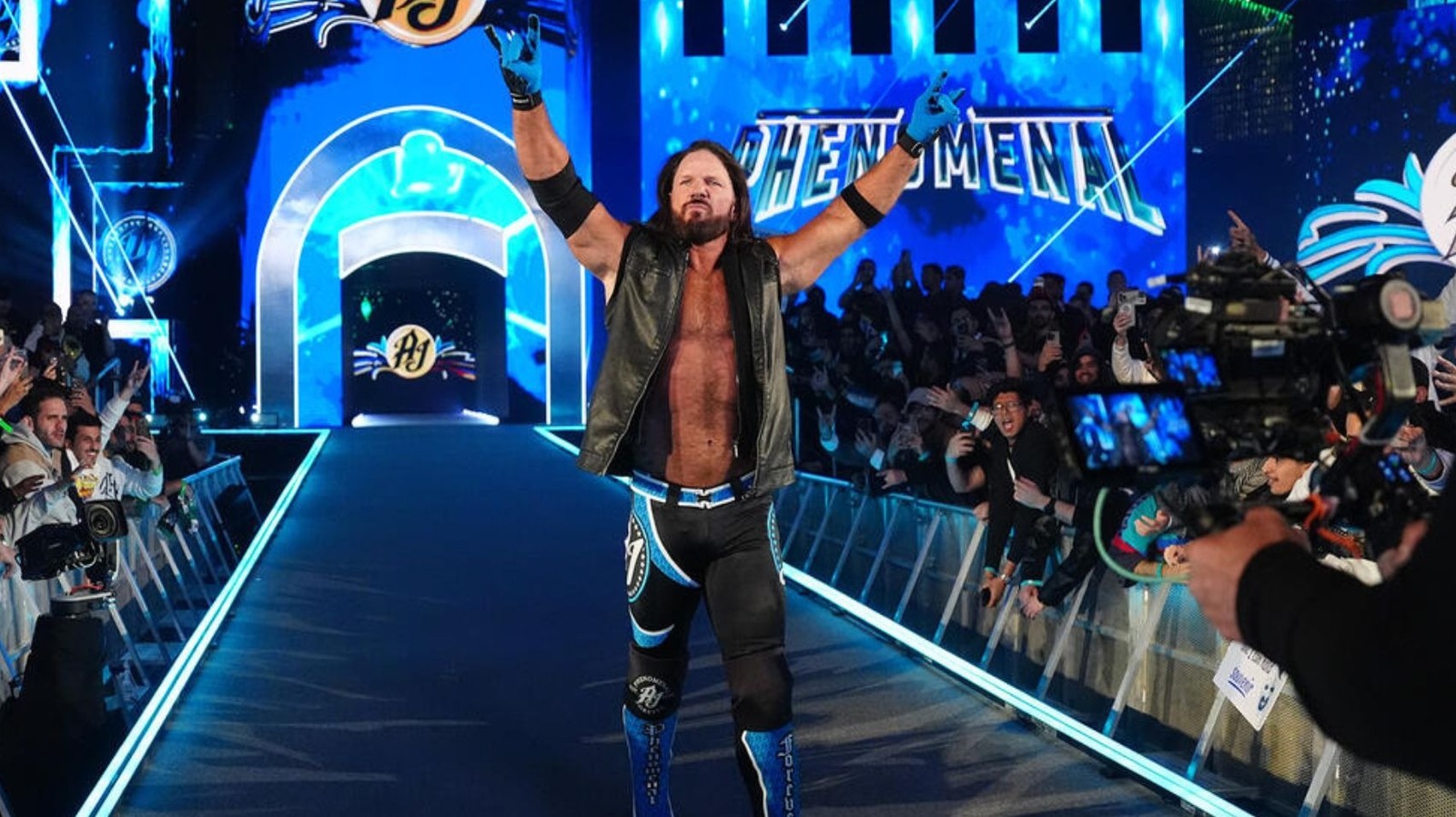
AJ Styles and Brie Bella address their uncertain futures in WWE
an hour ago
Santos Escobar hits the exit as WWE contract standoff turns final
an hour ago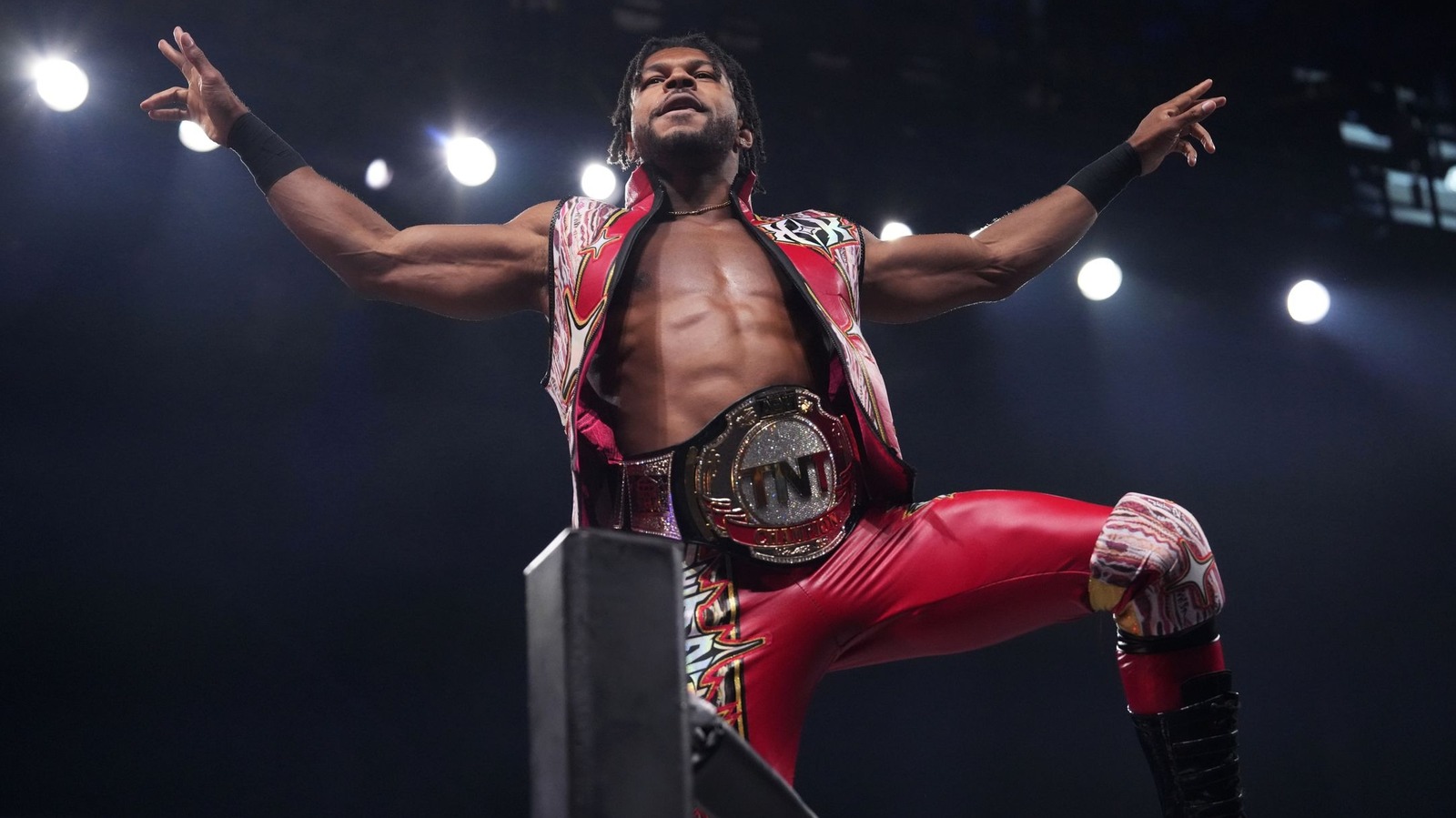
Kevin Knight is walking into a buzzsaw against Kenny Omega
2 hours ago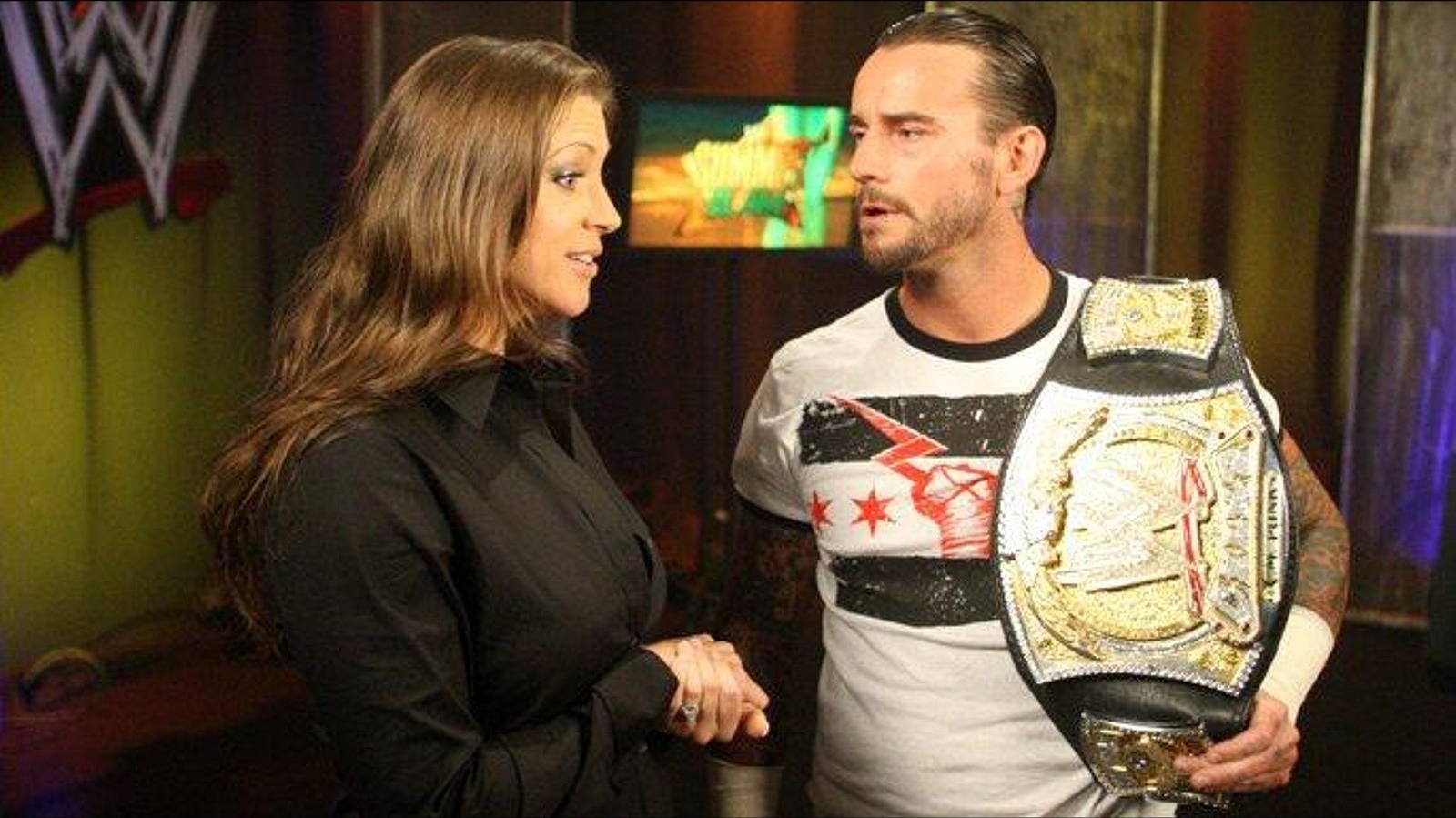
CM Punk spills the tea on his old-school WWE dynamic
2 hours agoMore Analysis
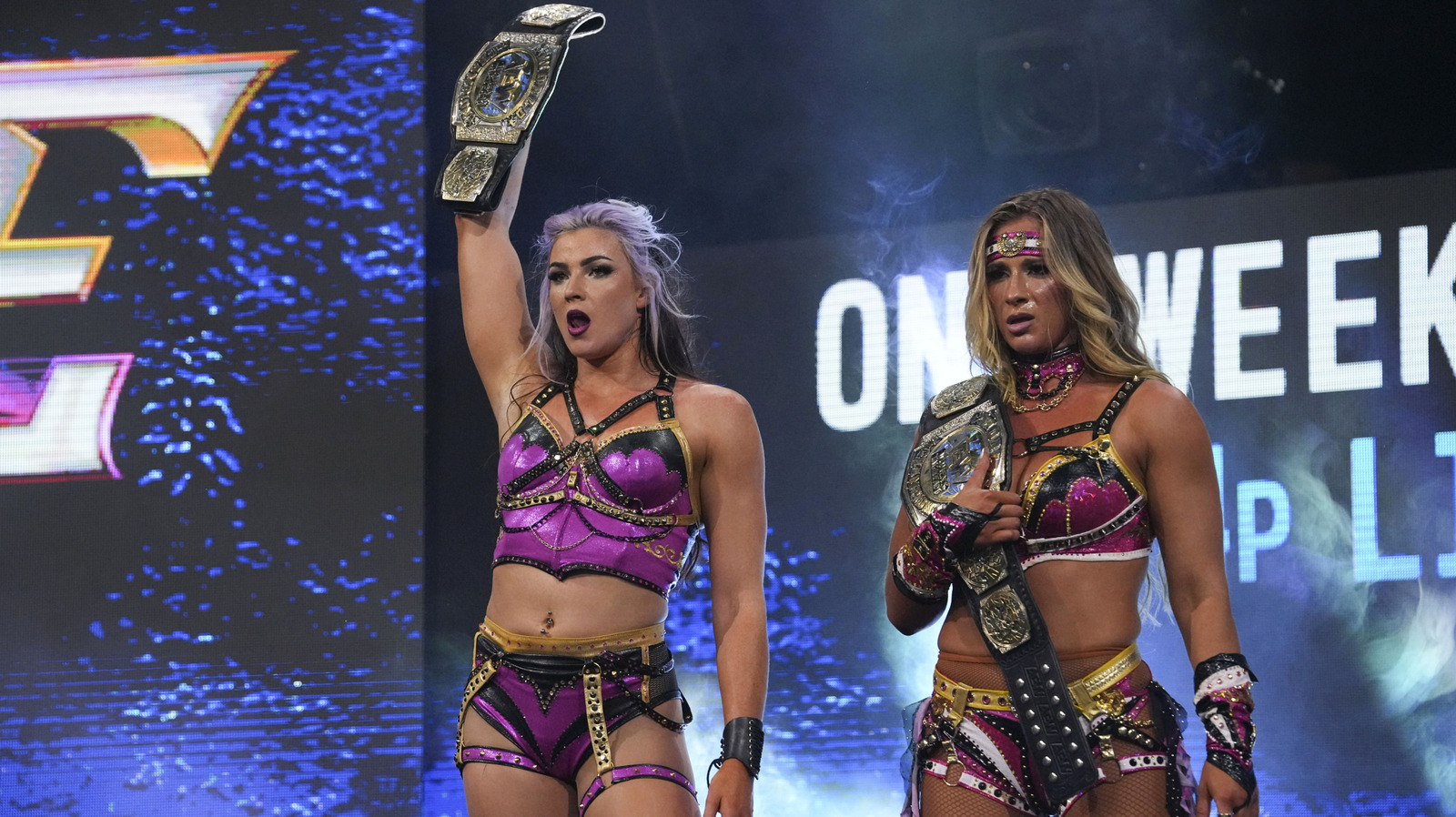
AEW Women's Tag Division Needs Better Help Than a Bloody Dynamite Main Event
an hour agoCM Punk and Stephanie McMahon: A study in professional distance
an hour agoKevin Knight’s win over Darby Allin was pure booking malpractice
an hour ago
The WWE free agency era is reaching a breaking point
an hour ago
AJ Styles and Brie Bella address their uncertain futures in WWE
an hour ago